


Jersey-based software platform Gander has been put forward for the prestigious Earthshot Prize for its work saving millions of food items and contributing towards a circular economy.
Launched as a world-first in Jersey in 2019, Gander provides a real-time feed for retailers to market reduced-to-clear products, nearing expiration.
It is the third consecutive year the innovative technology platform has been nominated for awards, which offer five environmental organisations £1 million to help solve the world’s most pressing environmental challenges. The event is spearheaded by Sir David Attenborough, Prince William and The Royal Foundation.
Gander was nominated by Brazil-based BVRio, an official nominator for the competition, in the “Building a Waste-Free World” category, for its work connecting people with millions of goods and food items in their area that would otherwise be thrown away.
At just six years old, the mobile app has been used by millions of sustainability-focused consumers and expanded across the UK, Channel Islands, Greece, Australia and Brazil.
Express caught up with Gander’s founder Ashley Osborne, who said the idea for the business came out of frequently seeing yellow-labelled food during late evening travel from his lawyer day job in London.
He shared his vision for the business, the importance of sustainable innovation across all sectors and what winning an Earthshot Prize would mean…
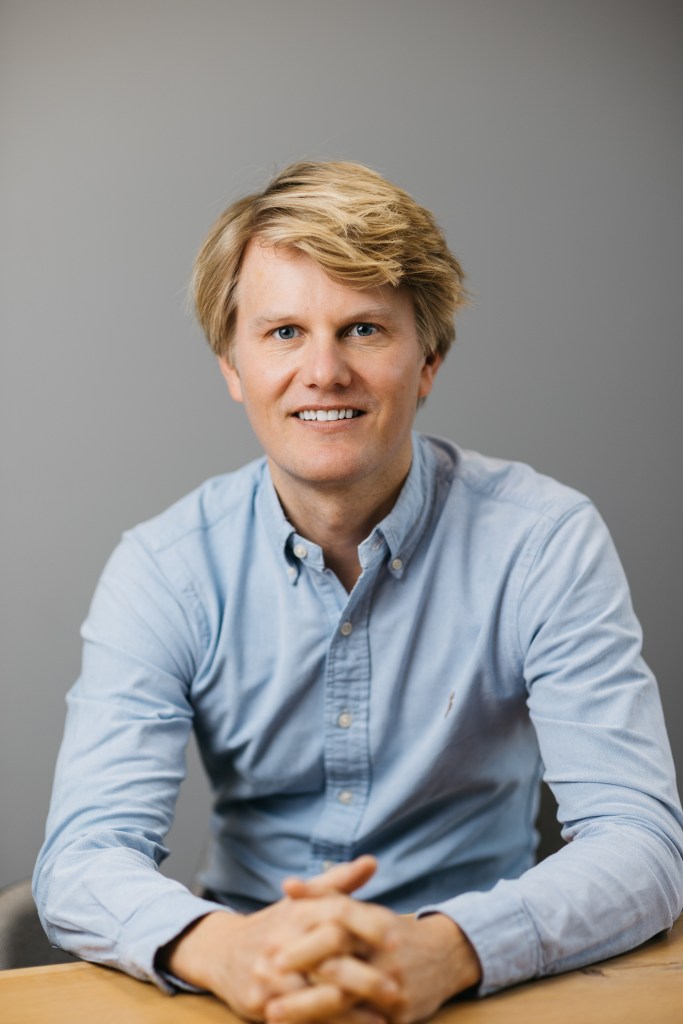
Did you ever imagine Gander would evolve into such a success?
Gander was born out of a simple but striking observation. While working in London, I often passed through Liverpool Street station late in the evening, where supermarket shelves were filled with reduced-to-clear food, all expiring that day. While I benefited from picking up great deals, I was shocked to see perfectly good food being thrown away just minutes later – despite thousands of potential customers nearby.
That disconnect was the spark behind Gander. We knew that if we could bridge the gap between retailers looking to sell reduced-to-clear food and customers eager to buy it, it would be a game-changer.
From the outset, we believed in the solution, but seeing Gander nominated for awards like the Earthshot Prize, and more importantly, witnessing the tangible difference it makes every day, has exceeded all expectations.
The fact that Gander has expanded across multiple continents and saved nearly 39 million food items from waste proves that real-world observations, combined with the right technology, can create massive global impact.
Does the future of the business sector lie in sustainable innovation?
Absolutely, and this now applies across all industries.
Sustainability is no longer just an ethical choice; it’s a business imperative. Consumers, investors, and regulators are demanding that businesses take responsibility for their environmental impact, and those that fail to adapt risk falling behind.
In the grocery retail sector, where Gander operates, governments are implementing increasingly strict waste reduction laws, making sustainability a necessity rather than a choice.
For example, the EU has introduced new regulations setting the first-ever food waste reduction targets at the EU level, requiring retailers, restaurants, and food service providers to cut food waste by 30%, a significant figure considering the slow progress to date.
Additionally, these same regulations will require fashion brands to pay for the collection and recycling of unsold products.
In the UK, from March 31, new legislation will require businesses to separate food waste, limiting general waste collections to just 5kg per week. This will have a significant impact on convenience retailers, as disposal costs are set to rise drastically.
For businesses, this shift presents both a challenge and an opportunity. Those that embrace sustainable innovation won’t just comply with new regulations, they will also unlock new revenue streams, enhance customer loyalty, and future-proof their operations.
Gander’s success is a testament to the fact that sustainability and profitability can go hand-in-hand. As regulations continue to tighten, technology-driven solutions like Gander will be essential for businesses looking to thrive in this new landscape.
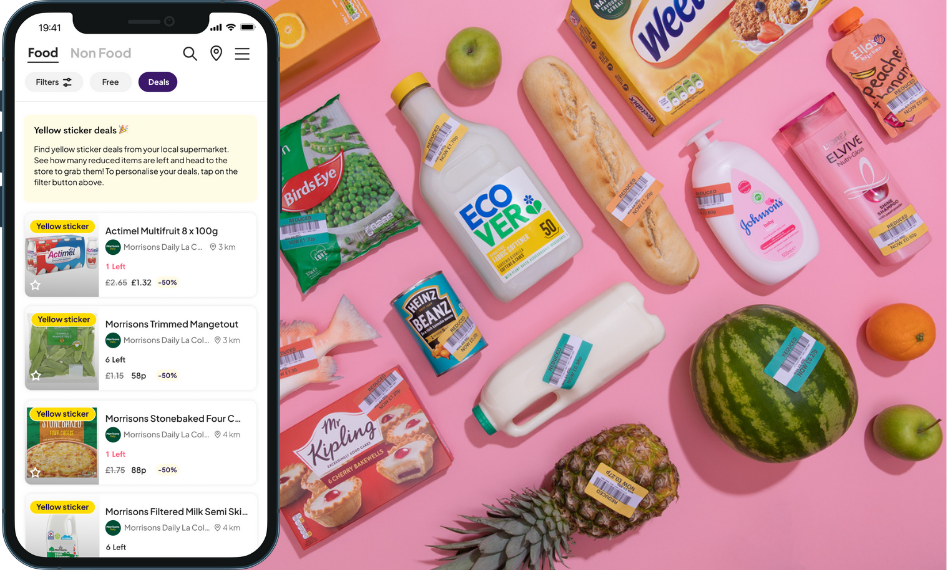
What would you do if Gander won the Earthshot Prize?
Winning the Earthshot Prize would not only be an incredible honour, but it would be a game-changer for us. It’s one of the most widely respected global awards, spearheaded by visionaries Sir David Attenborough and Prince William.
Beyond the prestige, it would accelerate our international expansion, helping us scale our impact even further.
It would also strengthen our partnerships with retailers, governments, and sustainability-focused organisations. Most importantly, it would amplify our ability to drive behavioural change, both at a retail and consumer level, helping to make food waste prevention the norm rather than the exception.
What does the future look like for the business?
Gander is continuously evolving, and we are uniquely positioned to thrive in the changing regulatory landscape.
As a lawyer, I was laser-focused from day one on ensuring that our business and technology aligned with the food waste hierarchy, and that foresight is proving invaluable now as legislation increasingly follows this approach.
Our core mission remains the same, preventing food waste, but we have built an incredible partner network to maximise our impact, including with major platforms Olio, Google, and Snappy Shopper, ensuring that reduced-to-clear food reaches consumers wherever they are shopping.
We have some exciting partnerships and technological advancements in the pipeline, which we will be rolling out over the next 12 months.
In many ways, this journey is only just getting started.
