

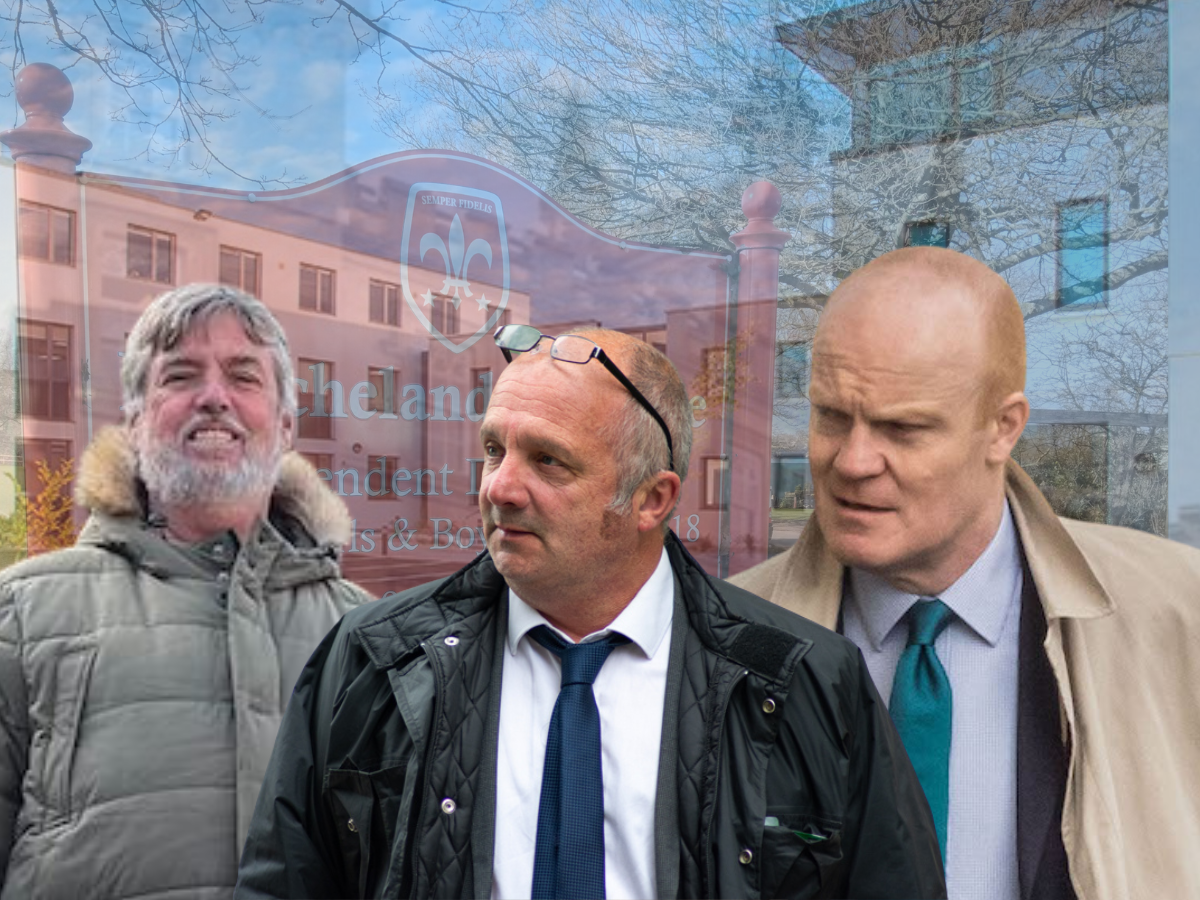
Education is facing a range of opposition to its plans to scrap funding for the three private colleges.
Three alternative proposals have been set out by deputies who want to keep backing Blanchelande, Elizabeth and Ladies’ College in some way.
Education, Sport & Culture wants to phase out the funding, which is currently around £3m. annually, while the colleges themselves have laid out a proposal to keep it in place until 2040 with closer partnership working with the States sector.
Last night amendments led by Deputies Gavin St Pier, Peter Roffey and Neil Inder were published.
Deputy St Pier’s amendment would maintain funding on a five year rolling basis, but capped at current levels and based on a per pupil basis. That would mean if numbers fell, the proportion of total income does not rise.
Deputy Roffey’s amendment is seconded by Deputy Yvonne Burford.
If successful it would reduce the level of the grant paid to the Colleges by 4% per annum over a seven year period, so that by the end of the seven year period the grant will stand at 75.1% of the current level – an estimated £2.54m. if pupil numbers remain stable.
“This amendment seeks to propose a better-than-halfway house, which would see the value of College funding at the end of the seven years set at just over three quarters of what it is today in real terms,” the explanatory note says.
It equated to a reduction of about £80 per pupil averaged over the seven years.
“This amendment requires the committee to return to the States with proposals for future grant agreement within five years of the new arrangements commencing, including progress on the partnership arrangements, bonds any future funding with the cooperation and collaboration necessary to support the local education system across both the independent and States maintained sectors,” it says.
“With dwindling pupil numbers projected such co-working and synergies between the two sectors are going to become increasingly important and should be fully recognised and financially rewarded.”
Deputy Inder’s amendment, seconded by Deputy Rob Prow, would cap funding at current levels but eliminate inflation based increases, thus reducing it in real terms over time so it would stand at a predicted £2.210m in 2045, saving £634,222 a year.
The savings would be returned and not reinvested elsewhere in the education system.
The debate to settle on what happens next will take place at the States meeting which begins next Wednesday.
