


The amount of lobster and crab being caught by commercial fishermen was already declining before 2022 when the number of octopus in local waters was starting to increase.
The latest catch data has been published as part of the Sea Fisheries Annual Statistical Bulletin for 2023.
While the extent of the impact caused to shellfish catches by the increasing number of octopus in our waters has been well documented, what can now be seen is that the impact that started to be seen before 2022 when there was a peak in the cephalopods’ numbers continued through 2023 too. The data for 2024 is not yet available.
The number of lobster and edible crabs being caught have been declining over the past decade, alongside other shellfish – apart from scallops which have been dredged in increasing numbers over the same period.

The latest Sea Fisheries Annual Statistical Bulletin for 2023 was only released in the last week, having been delayed, along with last year’s report, due to staff shortages.
The 2023 report shows that just over 500 tonnes of ‘edible crab’ was collected by commercial fishermen during that year – more than 100 tonnes down from 2022, and down from 713 in 2021 and down from 809 in 2016. The intervening years had seen slight declines too between intermittent peaks.
By contrast, the number of spider crabs collected in 2023 is only slightly up from 2016 – 57 tonnes compared to 55, but there was a peak of over 100 tonnes fished in 2018.
The number of lobsters collected declined by more than 13 tonnes or more than 20,000 lobsters between 2022 and 2023 – there was also a pattern of decline over the previous five years from a peak of 105 tonnes or 156,000 lobsters in 2018.
The declining number of crab and lobster being fished in recent years has been attributed to the increasing number of octopus in our waters. They eat shellfish and other marine life which could account for some wetfish catches also declining in recent years. However the total wetfish catch in 2023 was up on the previous two years according to the latest data published.
Combined with the declining number of shellfish being brought ashore the total catch was down year on year over the previous few years.
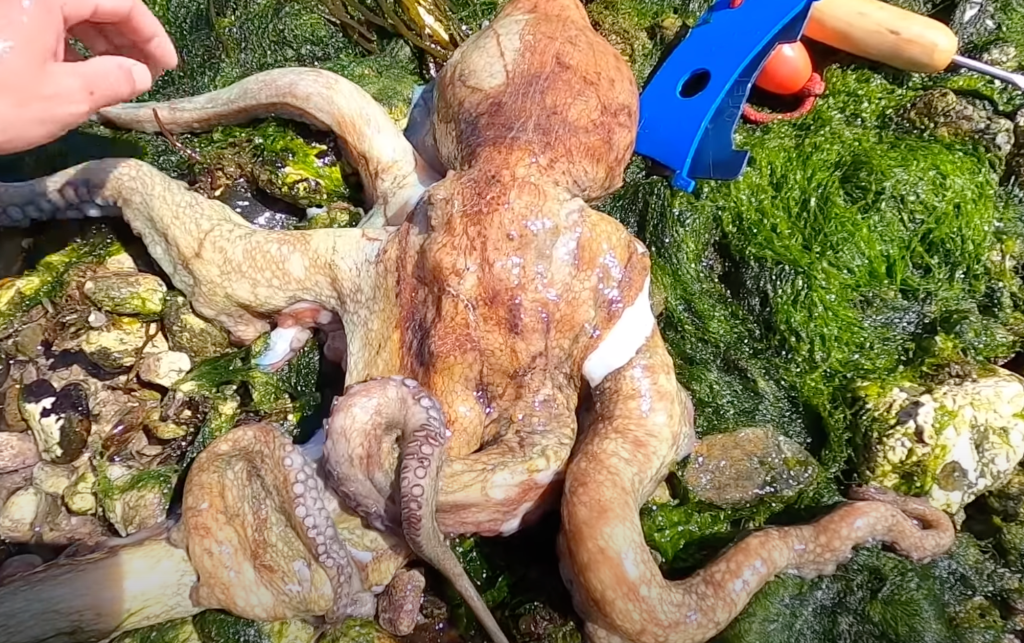
The number of octopus caught locally has only been monitored since 2019 when 140 kilograms was registered. That increased to 0.05 tonnes and 0.04 tonnes in 2020 and 2021 respectively before increasing to three quarters of a tonne in 2022 and declining to less than half a tonne in 2023.
There has also been an increase in the number of scallops being dredged locally from just under 80 tonnes in 2016 to just under 232 tonnes in 2023, having peaked at just under 272 tonnes the year before that.
More recent data for all catches will not be available until the 2024 report is published, but anecdotally fishermen have been reporting a poor year with lobster and crab catches decimated and octopus numbers up.
Data is not collected to monitor the number of ormers collected locally, but anecdotally 2025 was a ‘good year’ with foragers reporting healthy numbers during the season.
However, since then fishermen have also reported finding lots of empty shells suggesting octopus are also eating ormers.
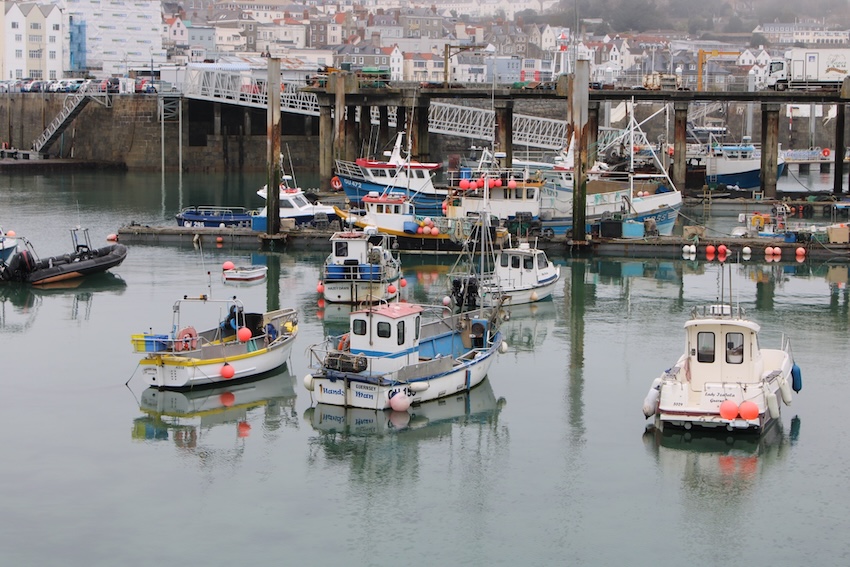
A charity which supports fishermen recently told Express that Guernsey’s fishermen might be facing the beginning of a legacy problem that will challenge future generations due to the declining number of popular shellfish being caught.
Hayley Hamlett of The Fishermen’s Mission said she saw that the problem with increasing number of octopus in local water had grown even bigger on her recent visit to Guernsey compared to a year ago.
Discussions about how to support Guernsey’s fishing industry collapsed into hilarity earlier this year when Deputy John Gollop suggested relocating fish to help.
