

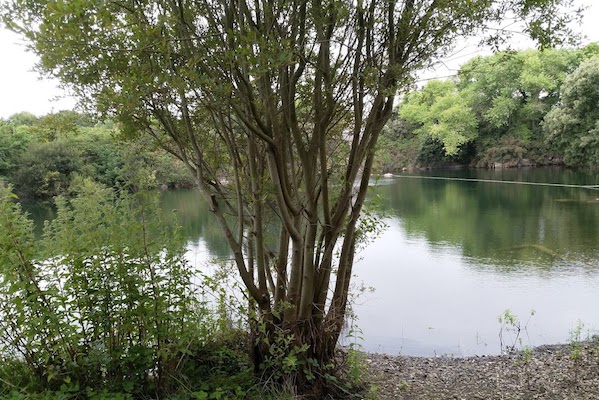
In a statement to reassure his parishoners that L’Epine and Guillotin were unlikely to be approved for inert waste disposal, Deputy Matt Fallaize said the origins of this investigation were necessary to know.
“It is important to understand how all this came about. The relevant committees asked the States to approve Longue Hougue for further investigation as the most likely site for future inert waste disposal. I was unwell and unable to attend that meeting, but I recall listening on the radio as the committees explained clearly why they wanted to focus their further work on Longue Hougue. Unfortunately the States had a rather eccentric moment and by a slim margin directed the committees also to investigate other sites despite persuasive advice that such other sites could be highly unsuitable,” he said.

“This is why L’Epine and Guillotine are now being investigated. But we should not be unduly worried because these investigations are likely only to confirm how unsuitable these quarries would be for the disposal of inert waste.
“I would be not so much surprised as staggered if the latest round of investigations changed the committees’ recommendation to use Longue Hougue. These are generally responsible committees served by sensible advisors and it seems to me inconceivable that they will suddenly change their minds and conclude that inert waste should be put into small quarries in quiet residential lanes which they had previously wanted to be ruled out.”
Homeowners living near the quarries recently received letters advising them of the investigations into whether they are suitable for inert waste. Questions were quickly raised by residents and the Douzaine as to how the decision could affect the habitats the quarry provided, along with the area itself.

States Trading Asset said if it is proven that they are suitable for an alternative use as waste disposal, the States may use them for dumping materials like stone, bricks, cement, rubble and soil, which are currently disposed of at the Longue Hougue land reclamation site in St Sampson’s.
That site is expected to be full within the next five years, and States Trading Assets needs to find a new disposal site ahead of that deadline. If the plans progress it is expected that the two sites in combination could provide capacity for around three years of filling – yet it is also acknowledged that this wouldn’t be a long term permanent plan.
