

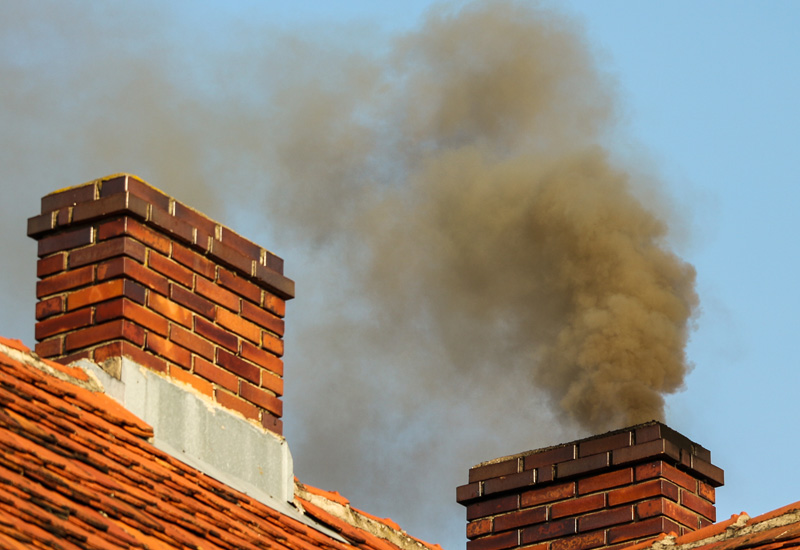
Black soot and acrid smells are just some of the results of waste, including sanitary products, reported to have been burnt in household fires in the island.
Limitations in the current laws to prevent burning which causes a nuisance do not include domestic chimneys but a draft law is in process of being brought to the States.
St Peter Port resident Sarah Griffith shared her experience about living near persistent plastic burners, who have been doing so for around 15 years, but she says that could become more frequent as people try to avoid paying for their regular collections.
“Despite my house and my car being covered in sticky tar, from burning plastic, and the ability to sit in my garden without breathing the toxic fumes from next door’s chimney – there is nothing I can do to stop it – there is no law in place,” she said.

Pictured: The black residue on Mrs Griffiths’ roof shows one area where noxious fumes have become a problem where she lives.
“This domestic fire burns 24/7 365 days a year. There is something very wrong with this they are allowed to poison me and my other neighbours. Apparently the law on fires is on its way.
“This is really a problem for people who live in built up areas, I’m sure it happens elsewhere but it’s not so much of a problem if it’s happening in a field in St Saviours. This has been happening in the area for around 15 years but I’ve heard other people noticing more and more fires like these and it could be because people don’t want to pay for their waste to be collected which I think is wrong, you create the waste you pay to get rid of it, there are lots of options now to help you reduce your waste, ” said Mrs Griffiths.
Another person who lives in the area said the neighbours had been confronted but they said “nothing can stop them”.
“As far as I’m aware, last time the Environmental Health visited them they were given every opportunity and support to dispose of their waste via other methods, but they have not done so.
“They also admitted to burning sanitary waste and also agreed that it must be a nuisance for the neighbours. I have taken photographs of black smoke coming from their chimney, along with particles landing in my garden. These people know that no one can touch them, so they have no impetus to change what they are doing,” she said.
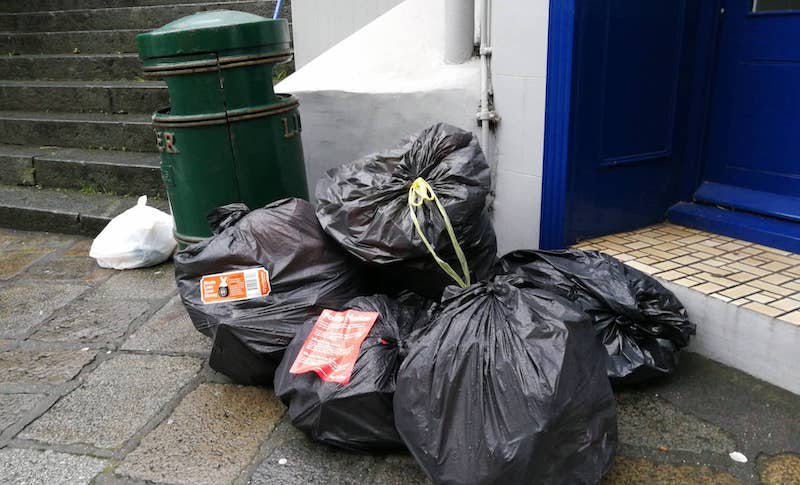
Pictured: There is a concern that paid collections could lead to increased instances of domestic burning for which there are limited legal controls against.
A spokesperson for Environmental Health Pollution Regulation said:
“Legislation currently exists which prevents burning which is causing a nuisance or is harmful to health. This legislation is very old and it contains certain exemptions that apply to domestic chimneys.
“Even with these limitations, we are able to provide advice to residents and home-owners to help them find the most appropriate way to dispose of their waste. Under the current waste collection system, the vast majority of household waste can be recycled for free. As such there is no need, or saving, to be gained from burning general waste within a fireplace. The States have agreed for additional controls on burning and polluting emissions to be enacted and this legislation is currently being drafted.”
Those who are struggling with sanitary waste are advised that the most suitable way to dispose of it is to double bag it and place it in a black sack for collection although In the event that an individual or site have specific infection control concerns or issues regarding the volumes of waste then they should speak to their medical support and / or the Office of Environmental Health and Pollution Regulation.
