

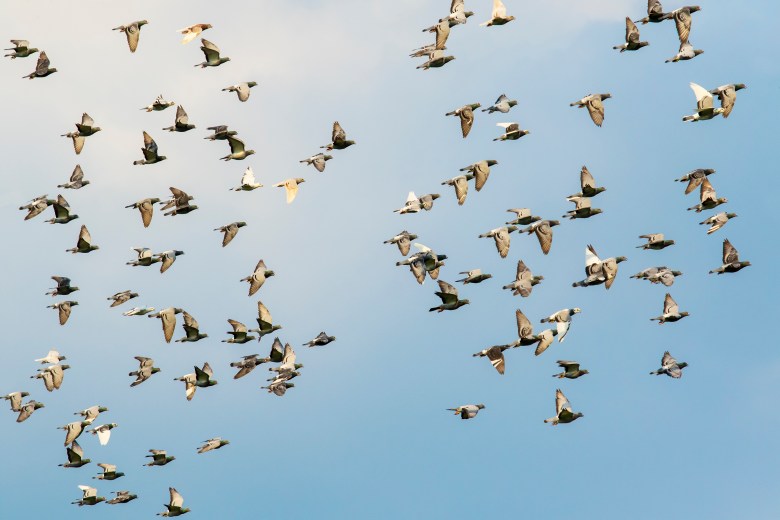
The recent ban on racing pigeons being released in Guernsey could be overturned if “adequate safety assurances” are made in the future.
Guernsey Ports attracted criticism earlier this week when it announced that it was banning large scale pigeon releases because of the risk to aircraft.
It’s now revealed the reasons behind its decision saying the risks were recently reviewed and found to be too high.
But it’s also said that “the decision could be reviewed if the organisers can provide adequate safety assurances in future.”
Guernsey Ports Head of Safety, Risk and Compliance, Lewis Dale said that “while the decision may seem heavy-handed, the airport has assessed and is trying to mitigate a clear and specific risk posed by a large number of birds flying off track and into critical areas”.
“If an incident occurred, resulting in significant damage to aircraft and potentially loss of life, there may be a question of liability if adequate measures had not been taken to prevent it,” he said.
Bird strikes
Bird strikes are a known and common threat to aircraft.
Guernsey Ports has said there were 36 confirmed bird strikes at Guernsey Airport last year – but it did not say that any involved pigeons.
Past bird strikes have resulted in damage to aircraft at Guernsey Airport, including an incident in 2023 involving Aurigny’s Embraer Jet.
Guernsey Ports said that large numbers of pigeons being released poses a specific risk though, because they will initially form a large flock, and therefore present a greater hazard to aircraft than individual birds.
They also large and fly at relatively high speed, making it more difficult for the pilot or birds to take evasive action, and at the height which aircraft will be at during the critical phase of take-off and landing.
A spokesperson for Guernsey Ports said aerodromes are expected to take steps to “assess, manage, and minimise this risk”.
Airport management had asked the organisers of the local pigeon releases to provide risk assessments for these events, but “these did not address the potential hazard to aviation”.
Guernsey Ports then consulted the local regulator; the Director of Civil Aviation, who agreed with the approach to ban pigeon releases, and is said to support Guernsey Ports the decision.
Racing pigeons are not permitted to be released within 8 miles of 29 UK airports, ranging from Heathrow to Bournemouth.
Pigeons have been released from L’ancresse in recent years, which is around 7.2 miles away from Guernsey Airport.
Brexit
There has been an increase in the number of requests for large scale bird releases in the past few years, which Guernsey Ports suggests is partly down to Brexit.
There were just three requests for large scale releases in 2022, which involved 13,000 pigeons in total being brought to the island for release. In 2023, that rose to 17 events, with more than 3,000 birds each time.
There were 29 requests last year, with a total of nearly 25,000 pigeons released.
Already this year, Guernsey Ports said it had received requests for 13 separate pigeon releases, typically involving more than 2,000 birds at a time.
A spokesperson for Guernsey Ports said it’s believed the increase is due to “additional post-Brexit requirements that owners now have to meet to take racing pigeons over to France, which has made Guernsey a more attractive and less costly option”.
The spokesperson said that local pigeon enthusiasts should be unaffected as they do not involve large numbers of birds, and will also be able to continue releasing in Sark and Alderney.
“The decision to prohibit large numbers of racing pigeons being brought over and released in the island should not impact local enthusiasts, and could be reviewed if the organisers can provide adequate safety assurances in future,” said the spokesperson.
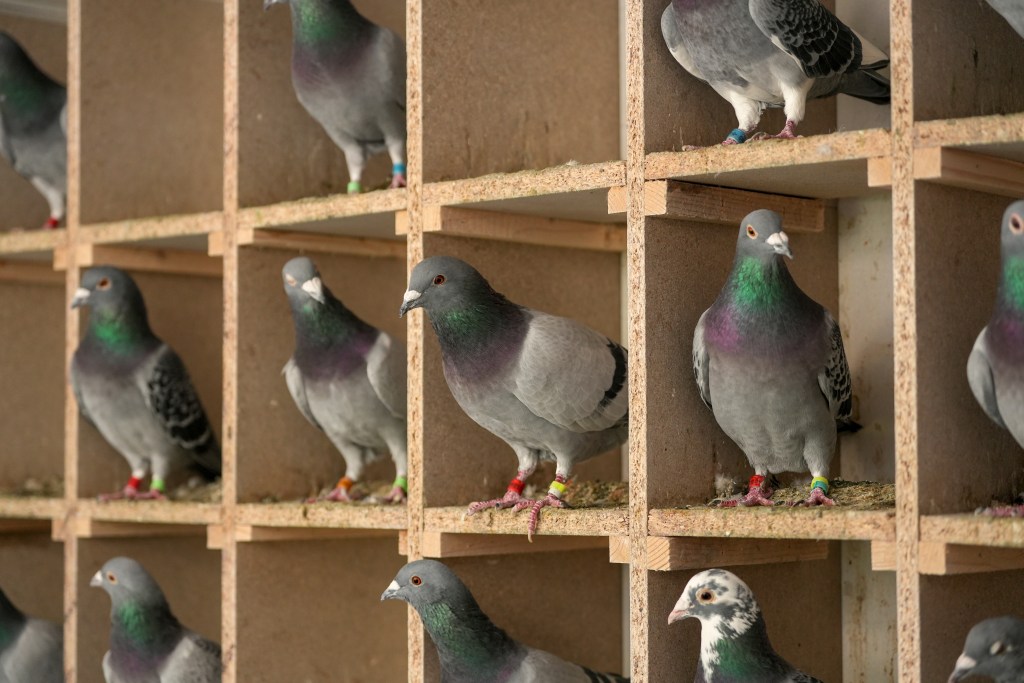
Guernsey Ports also confirmed the decision to ban pigeon releases was operational and not political.
“The States’ Trading Supervisory Board was not consulted over the decision, which was taken by Guernsey Airport senior management, who have operational responsibility for the safety of aircraft and passengers in local airspace,” they said.
