

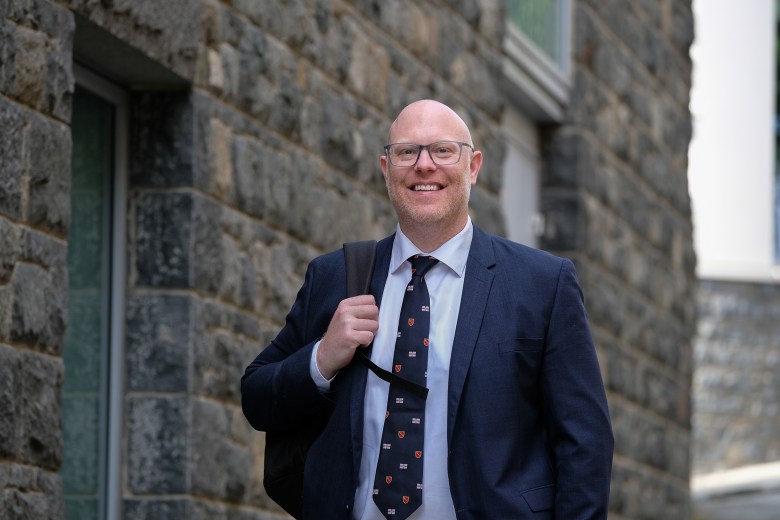
A police complaints critic turned People’s Deputy will lead calls for the States to debate the annual Police Complaints Commission report next week.
Deputy Rob Curgenven needs to convince a majority of deputies to debate the report, which is ordinarily only laid before the States by Home Affairs for approval without discussion.
“Rebuilding public confidence in policing requires a robust and truly independent complaints system,” said Deputy Curgenven.
“The Commission itself has repeatedly signalled related legislation needs review, with the last Assembly even going as far to admit publicly it is ‘not fit for purpose’.”
Home Affairs updated the law last year which introduced an initial review of complaints to assess their seriousness before proceeding to a full investigation.
But Deputy Curgenven argues the process can be strengthened even more.
“The Commission can monitor investigations and make recommendations, but it cannot investigate complaints, determine outcomes, overturn decisions or voice concerns. Where those tasked with determining complaints to decline to hold misconduct hearings, the Commission’s only recourse is to ask that same authority to convene and chair the meeting,” he said.
Deputy Curgenven, whose motion to debate the report is backed by Policy & Resources Vice-President Deputy Gavin St Pier, added that the cost of staff time and legal advice provided through St James’ Chambers is not currently listed in the Commission’s expenses.
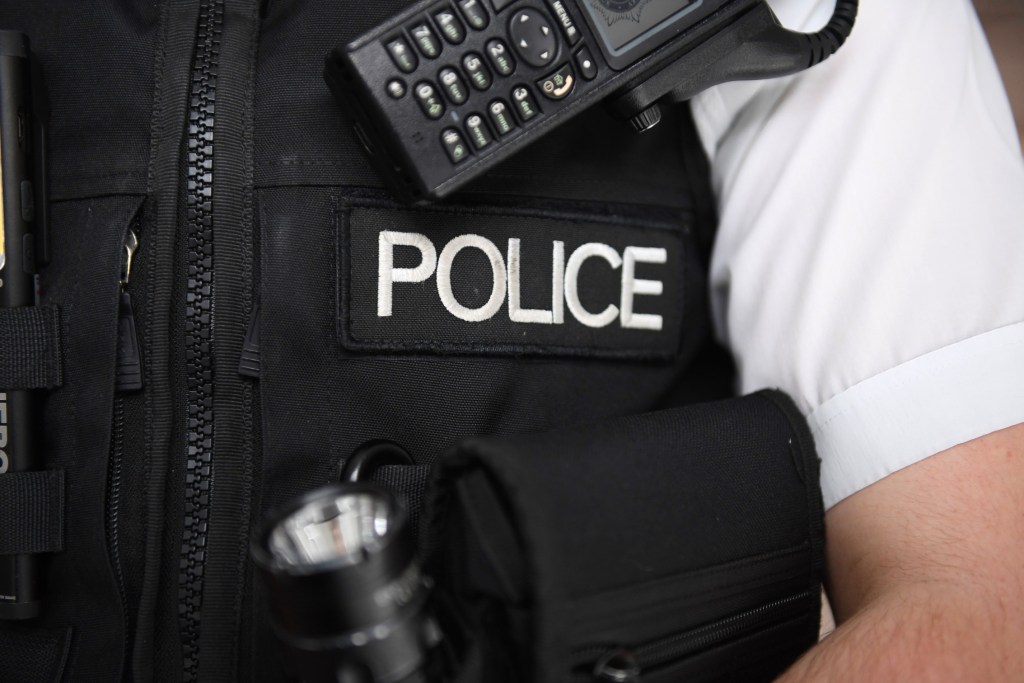
The report at a glance
39 complaints against police officers in 2024.
Most relate to conduct during arrests.
One complaint against a senior officer.
Three complaints informally resolved.
Published expenses of £3,310.
Deputy Curgenven said the result of appeals to complaint decisions is revealing.
“Since formation, the Commission has received hundreds of appeals. And, to my knowledge, it has never upheld a single one,” he said.
“Further, if it were to ever uphold an appeal, it had no power to change the outcome of the initial complaint. In the last year, appeals fell to zero. Either complaints are handled flawlessly, or people have stopped believing in the system.”
He noted that the new Chief of Police has been an active listener.
“I have confidence that the Chief’s commitment, combined with proper independent oversight, can deliver better outcomes for complainants, for officers and for the wider community”.
Robert Jordan, Chair of the PCC, commented in the report: “I am pleased to be able to report that the Commission had the opportunity to engage in consultations on amendments to the Police Complaints Regulations, aimed at enabling more meaningful assessments at the initial stage of the complaints process.
“The Committee for Home Affairs also renewed its commitment publicly to conducting a full-scale review of the complaints process, in the meantime, this amendment was welcomed by the Commission as it enables the appropriate authority to consider readily available evidence, such as footage from body-worn cameras, to make informed decisions at an early stage.”
