

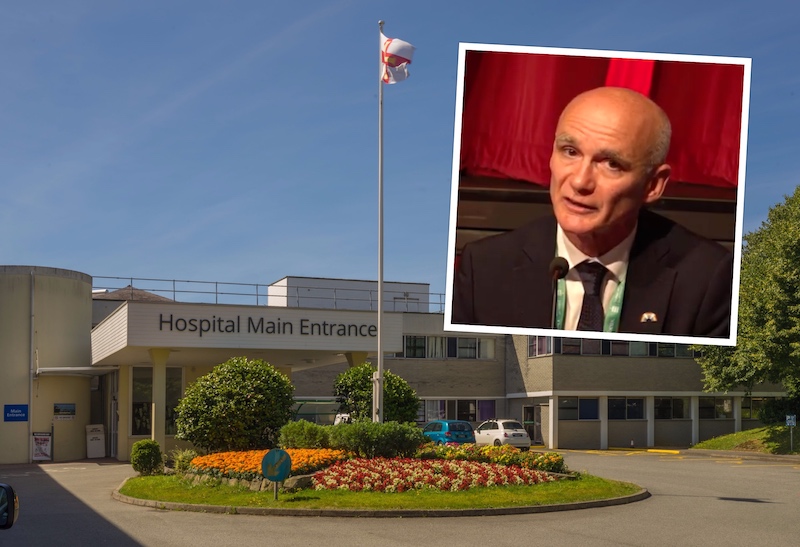
The event – part of #purple4polio – is raising awareness and funds in support of Rotary’s ambitious global campaign to eradicate polio.
The local Rotary community has already raised nearly £150,000 towards the campaign. This has turned into nearly £450,000 with a 2:1 funding match from the Bill and Melissa Gates Foundation. A single dose of life-saving vaccine costs around 20pence – so funds raised in the Bailiwick have helped protect more than two million children worldwide.
The last case of polio in the Bailiwick was in 1959, but it remains endemic in Pakistan and Afghanistan. When Rotary started its global campaign in the mid-1980s, polio was still endemic in 125 countries. Without the global vaccination programme, it is estimated that within 10 years as many as 200,000 children annually would succumb to polio.
The States’ Medical Director, Dr Peter Rabey, has personal experience of the tragic effects of polio. He will join Rotarians today to plant crocus corms near the Day Patient Unit at the PEH.
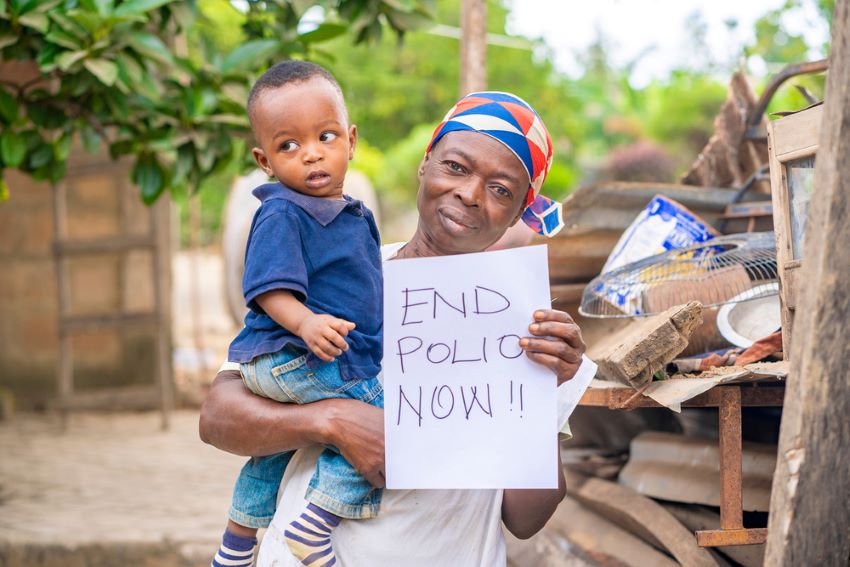
Pictured: Financial contributions from the Bailiwick have helped to vaccinate more than two million children against polio as part of Rotary’s campaign to eradicate the disease globally.
“I saw first hand at an early age the life changing impact of polio as a good childhood friend was badly affected by it,” said Dr Rabey.
“It isn’t only the children affected by this horrid virus but also their families and communities. In my professional life I am so glad that much of the world is now polio free.
“Thankfully, here in the Bailiwick, polio has been part of childhood immunisations for many years. I want to congratulate Rotary on all that its volunteer members have done and continue to do. We can all enjoy the purple crocus when they bloom each year. Let’s all help by supporting their fund-raising activities during the year.”
The Global Polio Eradication Initiative continues to immunise millions of children annually. Around three billion children have received oral polio vaccine. In 2020, despite the challenges presented by covid-19, more than 440 million children were vaccinated in 30 countries using 940 million doses of the vaccine. This is in addition to the routine polio immunisations in much of the world, including in the Bailiwick.
“We have to fully eradicate the poliomyelitis virus to ensure children everywhere are free from the threat of this life threatening and disabling disease for which there is absolutely no cure,” said Rotary.
“We all now truly understand that a virus is just a plane ride away and we must ensure the life saving polio vaccine reaches children everywhere so they are all protected.
“We have chosen to do more mass planting at the Princess Elizabeth Hospital to thank everyone involved in the covid-19 response and because it is where polio cases would be supported if it ever came back to the island.”
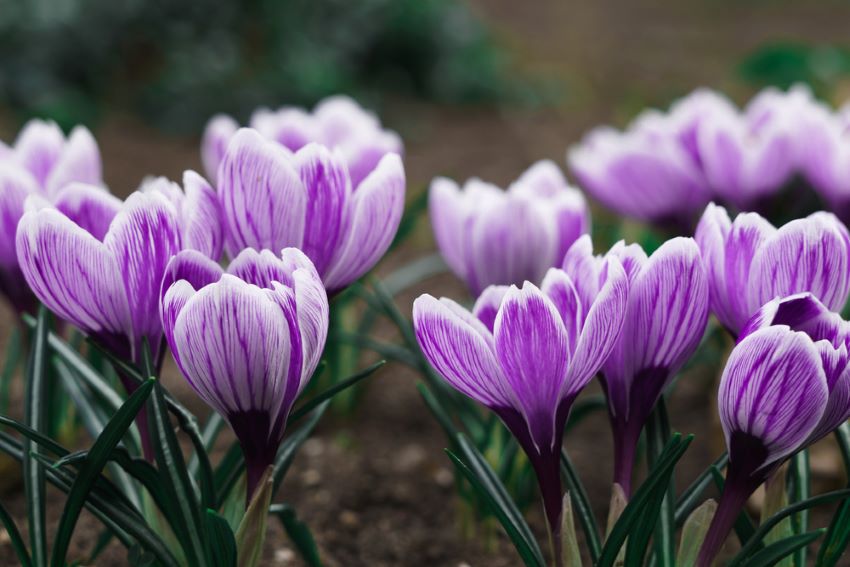
Pictured: Purple is a colour of significance for polio. In many countries, it is the colour of dye used on the finger of a child who has received polio drops on mass immunisation days.
In addition to the planting at the Hospital, Rotary is working with Floral Guernsey, Bernie’s Gardening Services and States’ Works to plant a further 72,000 purple corms in other places this autumn. In total, they have now planted 650,000 purple corms across the Bailiwick, including 4,000 in Alderney. The corms are purchased by Appleby.
Robin Gonard of Rotary Guernesiais said: “Our annual target across the globe is to raise at least $50 million. With the life-saving vaccine costing around 20pence, every single donation, however small or large, really could be saving a child’s life. An enormous thank you to our whole community.”
John Moses of Rotary Guernsey said: “It is amazing that when the goal of a polio-free world is finally achieved, it will be only the second human disease to be eradicated totally with smallpox having been the first. When you see the purple crocus bloom in the New Year please remember what they represent.”
