


Its annual report which is out now, has revealed a ‘difficult operating environment as a result of cost increases in 2018’, however, Guernsey Water says it was still able to ‘ensure savings through internal changes and efficiencies’.
The 2018 annual report can be read here.
Overall costs increased by around 3% in 2018, which has been largely blamed on an increase in the cost of emptying cesspits. That increased by 10% from the previous year.
The cesspit emptying service is contracted to States Works, and while the cost level for the service had been broadly held for a number of years previously, which helped Guernsey Water manage its costs, the price has now gone up. Guernsey Water and States Works both say they ‘continue to work closely to make the service more efficient in the long term best interests of islanders’.
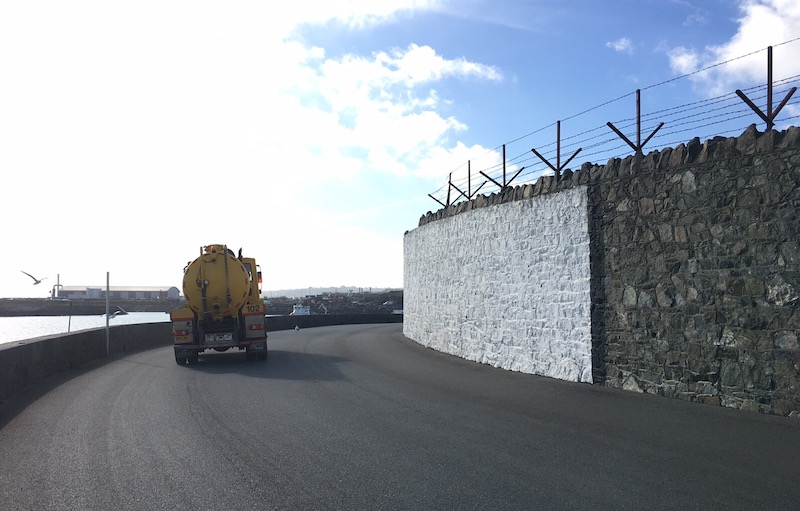
Pictured: Guernsey’s cesspits are emptied through a joint contract between States Works and Guernsey Water.
Despite the increases its faced, Guernsey Water had announced in 2018 that it would be passing the savings it had made onto customers by freezing bills for 2019. That freeze was also paired with the rebalancing of water and wastewater charges on customers’ bills.
Steve Langlois, Guernsey Water’s General Manager, said: “Ensuring transparency and an accurate reflection of the costs of each service fits with our user pays ideals. Whilst we work hard to make efficiencies wherever we can, at times costs in areas outside of our control do increase. These costs are then inevitably reflected on our customer’s bills.
“As a direct result of our charges rebalance, customers now have a clear idea on the breakdown of Guernsey Water’s costs by looking at the details within their own bills.”
Amongst other efficiencies the utility has significantly reduced both its operational water usage and water loss due to leakage across its network, meaning that despite supplying more water to customers throughout the year, the utility was still able to reduce total water supplied by 0.4%.
The majority of the savings were made in relation to the amount of capital work carried out internally by Guernsey Water’s own teams instead of making use of outside contractors.
Pictured top: Guernsey’s Reservoir.
