

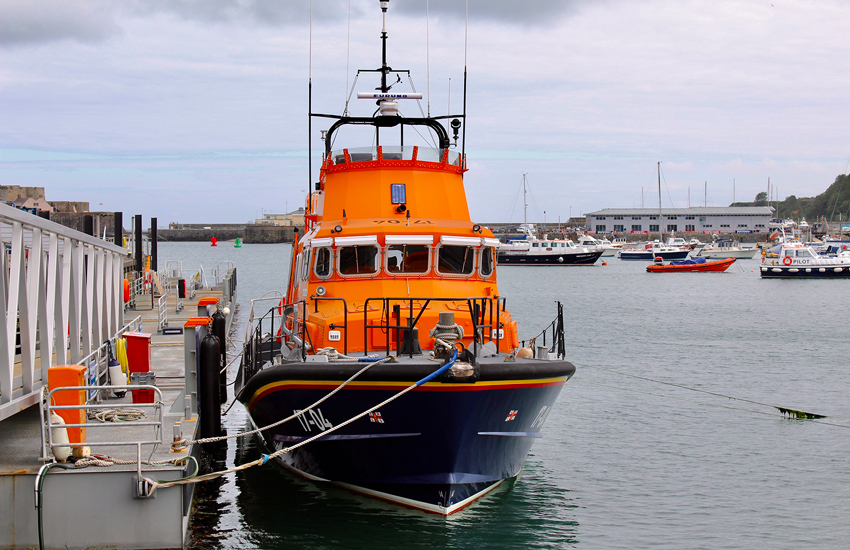
As temperatures rise and summer approaches, the Royal National Lifeboat Institution, has issued advice to members of the public and tourists.
Guernsey’s beaches aren’t manned by lifeguards so the RNLI says the responsibility lies with all of us to take extra steps, and use caution.
The volunteer service said we should know our own limits and check conditions before swimming, among other tips.
Safety tips:
– Never swim alone: Always go with someone else. If something goes wrong, it’s much harder to get help if you’re by yourself.
– Know your limits: Don’t go out further than you’re comfortable with. Even strong swimmers can get caught out by strong currents or tides.
– Check conditions: Always look at the weather forecast and tide times before you swim. Avoid swimming if the sea is rough or during high tide when currents are strongest.
– Wear the right gear: If you’re not a confident swimmer, use flotation devices. A wetsuit can also help keep you warm and floating in cooler water.
– Stay hydrated and protected: Drink plenty of water and put on sunscreen to avoid dehydration and sunburn.
– Be aware of marine life: Our waters have lots of creatures. Be respectful of their space to avoid any unexpected encounters.
– In an emergency: dial 999 and ask for the Coastguard.
As part of the urge for caution, St Peter Port RNLI station coxswain Jason Norman said: “Guernsey’s stunning coastline offers incredible swimming spots, but the sea can be unpredictable.
“We urge everyone to respect the water and know your limits, check conditions before entering, and never swim alone. Remember If you do get into difficulty, Float to Live!”
If in trouble:
– Don’t panic or thrash around.
– Lean back, spread your arms and legs.
– Gently move your arms and legs if you need to, to help you float.
– Keep floating until you can control your breathing.
– Only then should you call for help or try to swim to safety.
