


Deputies Chris Le Tissier and David de Lisle offered three options with their preferred one being the complete removal on tax caps.
The tax cap as it stands means that once an individual has paid either £150,000 or £300,000 in tax they don’t have to pay anymore.
While Deputies Le Tissier and De Lisle argued that this is unfair, the resounding response from the chamber was that the 30 or so super wealthy individuals that this applies to bring more benefit to the island than just tax.
“[What we’re being told] is that these people – [the super wealthy] – live in glorious isolation, they come here, dump their money, pay some cheap tax and leave,” said Deputy Inder, arguing against the removal of a tax cap.
“Nothing could be further from the truth.”
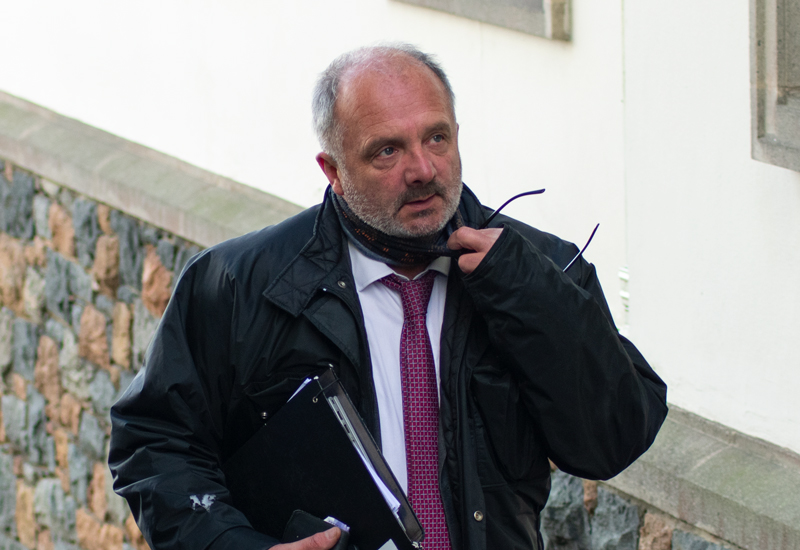
Pictured: Deputy Inder said the super wealthy pay more than their fair share back into the community.
Deputy Inder was joined by Deputy Simon Vermeulen who said that the super wealthy often donate money to the hospitality industry, the hospital and other charitable initiatives.
An argument was also made that removing the tax cap would put high value individuals off moving to the island.
“One of the main attractions for the super rich in a tax cap is not just that it effectively lowers their effective rate of tax, the other main attraction is that they don’t have to fill out a tax return,” said Deputy Charles Parkinson.
“That means they don’t have to pay an accountant to compile the tax return and assemble all the information necessary to fill in the forms.
“A huge part of the attraction of this deal is its simplicity.”
Three options were offered to the assembly, and they were voted on in a cascading order. The amendment lost by a large majority.
You can read more about that debate and the rest of the budget debate via our LIVE blog: ◆ LIVE UPDATES: States Debate – The Budget | Bailiwick Express
Pictured top: (L-R) Deputies Le Tissier and De Lisle.
