


The warning came following a review of capital expenditure, during an update from the P&R President, at the start of this week’s States Meeting.
His final update during this States’ term gave an insight into the fiscal challenges facing our next set of elected officials, who will take office in June.
“Following this assembly’s decisions through the 2025 budget, not to support temporary increase in income tax and therefore generate the services needed to fund our planned capital expenditure. The Committee, as promised, has undertaken a review of the major projects portfolio.
“If we want to deliver the current portfolio as it stands, and we do, because we consider all the projects essential, the current portfolio period will need to be extended by at least a year in order to resolve the significant funding gap that exists.
“We anticipate that the next assembly will need to consider how to prioritise what may be in excess of £1 billion worth of investment demand within a funding window of about £150 million.”
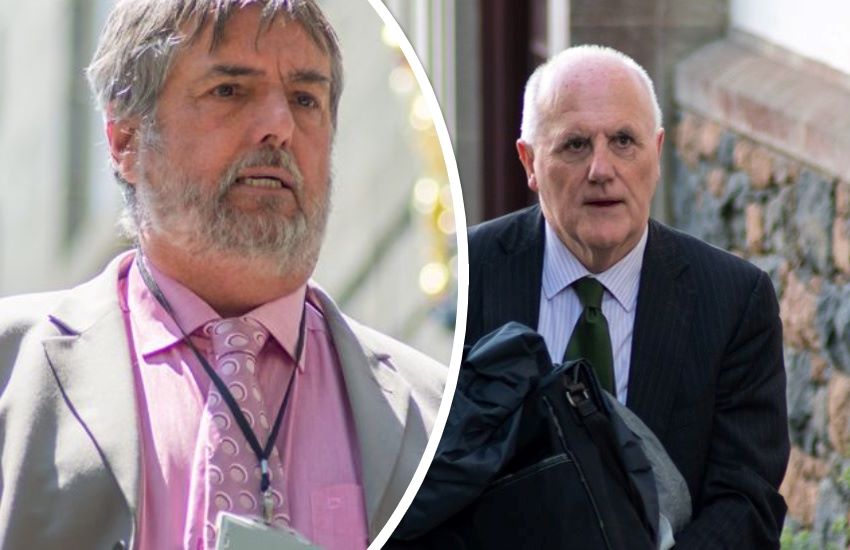
Deputy Trott’s warning over the rate of the incoming GST – due to start in 2027 – came in response to a question from his predecessor as P&R President.
Deputy Peter Ferbrache wanted to know what steps the next States assembly should take.
“He points out there being an £850 million shortfall next term in what’s really needed for capital projects. He said that in itself, depends on the implementation of GST, which he’s consistently voted against. So, bearing in mind that position, what does he suggest the next States should be doing to bridge that fiscal gap. In other words, what taxes should it bring in?”
Deputy Trott replied with his warning over the future rate of the incoming GST.
“Unlike some members of the States, I have suggested alternative measures of revenue raises in the past,” he said. “I think the problem we have with GST, and I’m not sure whether the States Treasurer would be pleased to hear me say it, is I don’t think 5% enough.
“I think 5% balances the books, assuming of course, it’s on everything, in the short term. I think that to grow our reserves in the way in which this assembly has decreed, our goods and services tax needs to be higher than that.”
While Deputy Trott was warning that GST would need to be set higher than 5% to meet all forecast expenditure, Deputy Peter Roffey wondered whether footing the bill for the island’s capital projects will cost even more money.
“Would the President agree with me that £150 million in additional capital projects in the next four year term is wholly inadequate, and as a consequence, we agree that this assembly has no choice but to look at additional revenue raising measures in order to invest realistically in the infrastructure of Guernsey?” he asked.
Deputy Trott agreed, and once again issued a warning to the next batch of deputies elected to represent Guernsey.
“I think £150 million pounds is woefully inadequate,” he said. “It’s 15% of our overall demands now, even in an extremely ambitious assembly that is a woefully inadequate sum. The number of 150 million includes, of course, the successful imposition of a Goods and Services Tax. It’s not certain that the next assembly will agree with this assembly’s decision, which would make the situation arguably, not arguably, but absolutely materially worse.”
