

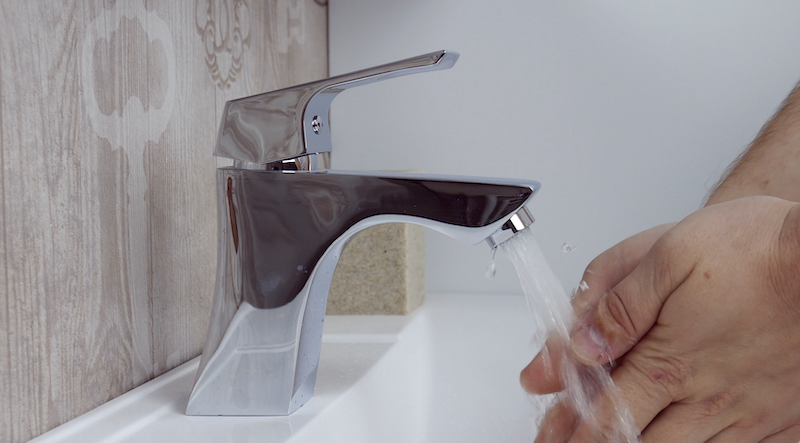
Guernsey Water is reminding everyone that “Every. Drop. Counts” as the island’s reserves start to run low.
The utility says we currently have around 200million litres less than we normally have at this time of year – after prolonged periods of little or no rain so far this year.
In a plea shared to social media, Guernsey Water has asked that we all act as “waterfluencers” and voluntarily reduce our usage.
This includes not watering gardens, not washing cars, and collecting any run off water such as when a shower is warming up, to use elsewhere.
“These are tiny tweaks, but when thousands of people do them, they work. Together we’re going to cut that weekly deficit and protect our supplies,” pledged Guernsey Water.
Guernsey used 91million litres of water last week – but Guernsey Water only collected 58million litres.
That means the utility used 33million litres from its water storage supplies.
“We do expect to head into this time of year with less in the tanks, but this dry spell has pretty much lasted since February,” explained a spokesperson for Guernsey Water.
“Right now we’re around 200 million litres off where we normally are – that’s half a month’s worth of use.”
The problems started earlier this year – despite a very wet January.
33.3mm of rain fell within just a few hours on 29 January. That caused problems with cesspits overflowing and sewage running along roads as the network struggled to cope.
However, since then the island has experienced repeated periods of dry weather, leading up to the warmest June for 180 years – during which there were 20 days of no rain at all.
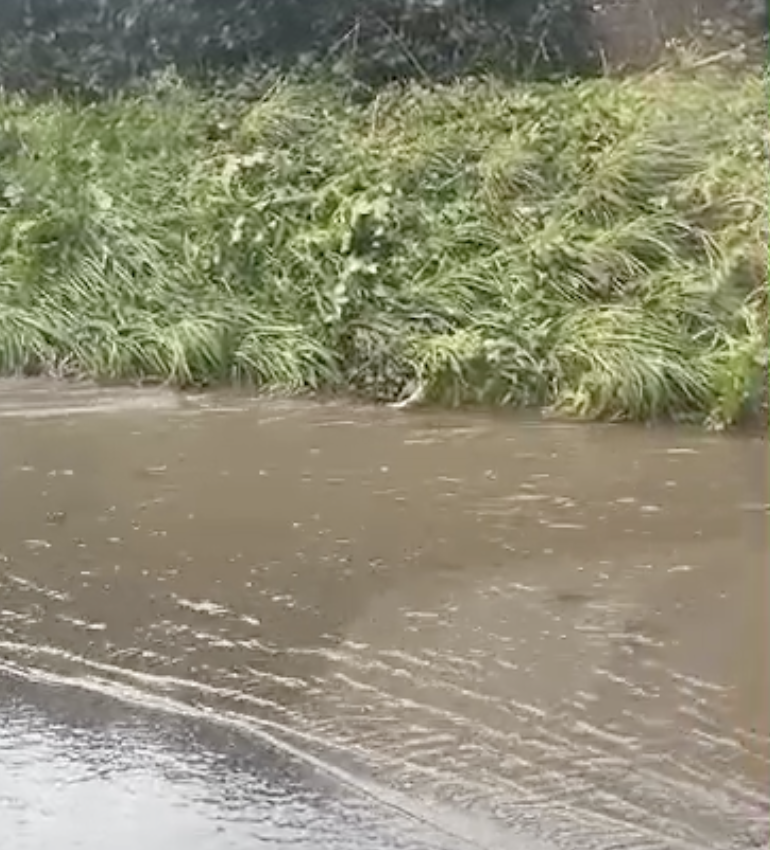
Guernsey Water has acknowledged that most of the year’s rain fell in January, but the island’s reserves were at 100% then so the utility could capture any more to store for our use now.
In February, Guernsey Water faced the added problem of pesticides being found in the Longue Hougue Reservoir.
That is the island’s largest raw water storage reservoir, but it had to be isolated from Guernsey Water’s main supply network when the chemical was detected so it could be addressed.
Since the contamination was confirmed, water from Longue Hougue has been used in reduced volumes and diluted with water from other reservoirs.
Now, the utility is facing the pressure of ongoing dry spells as we head into the peak summer months.
“It’s looking like another dry week with temperatures climbing back to the high 20s by the weekend. Remember: Every. Drop. Counts. Every. Action. Adds. Up. If we each save a little, we all save a lot.” urged the utility.
