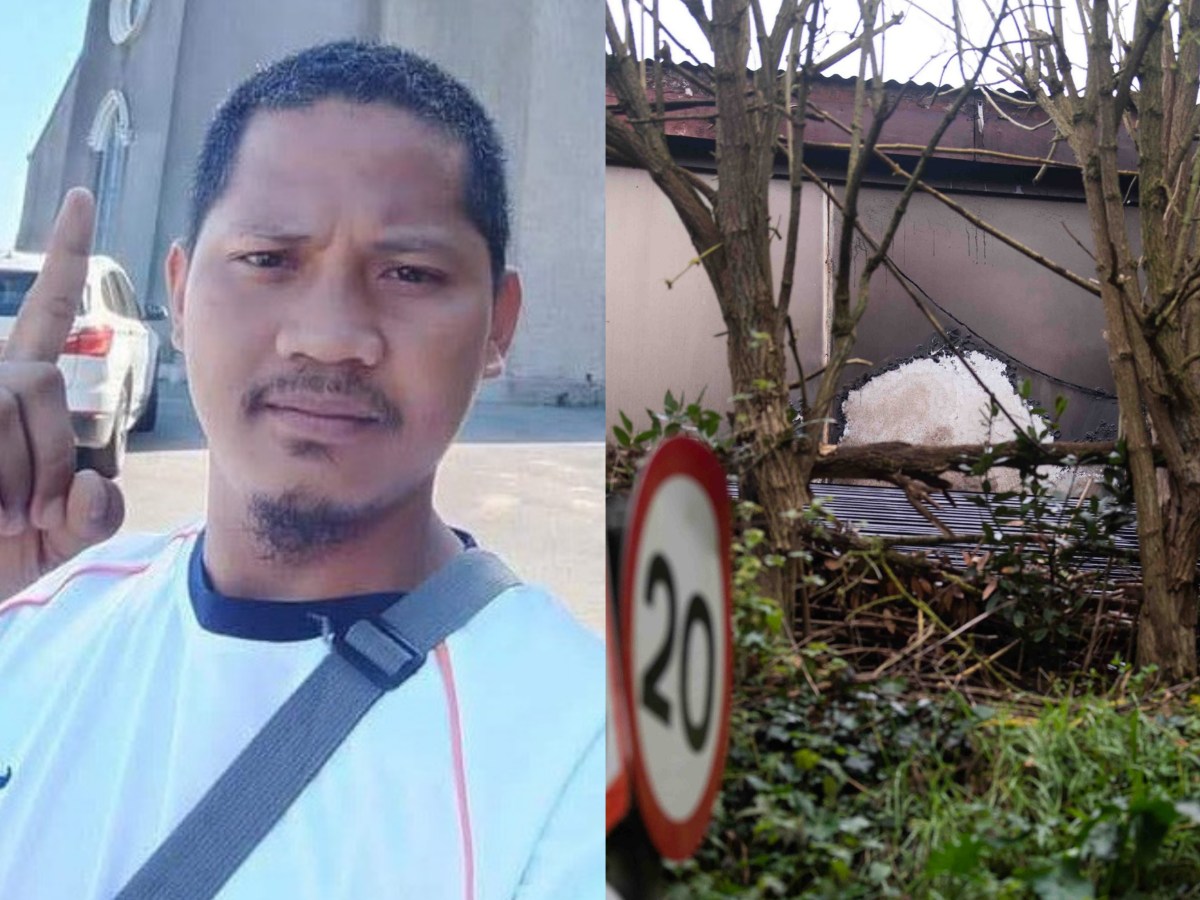
A coroner is recommending an urgent review of winter farm accommodation after concluding that a Filipino worker’s death was linked to the cold conditions in the 25-year-old cabin where he was living.
Delivering his conclusion at the inquest into the death of George Michael Monte De Ramos Castrudes, Deputy Viscount Matt Berry, acting coroner, said he would write to ministers and the Jersey Farmers’ Union to recommend further work to identify cabins used as staff accommodation during winter and assess whether they meet minimum legal standards.
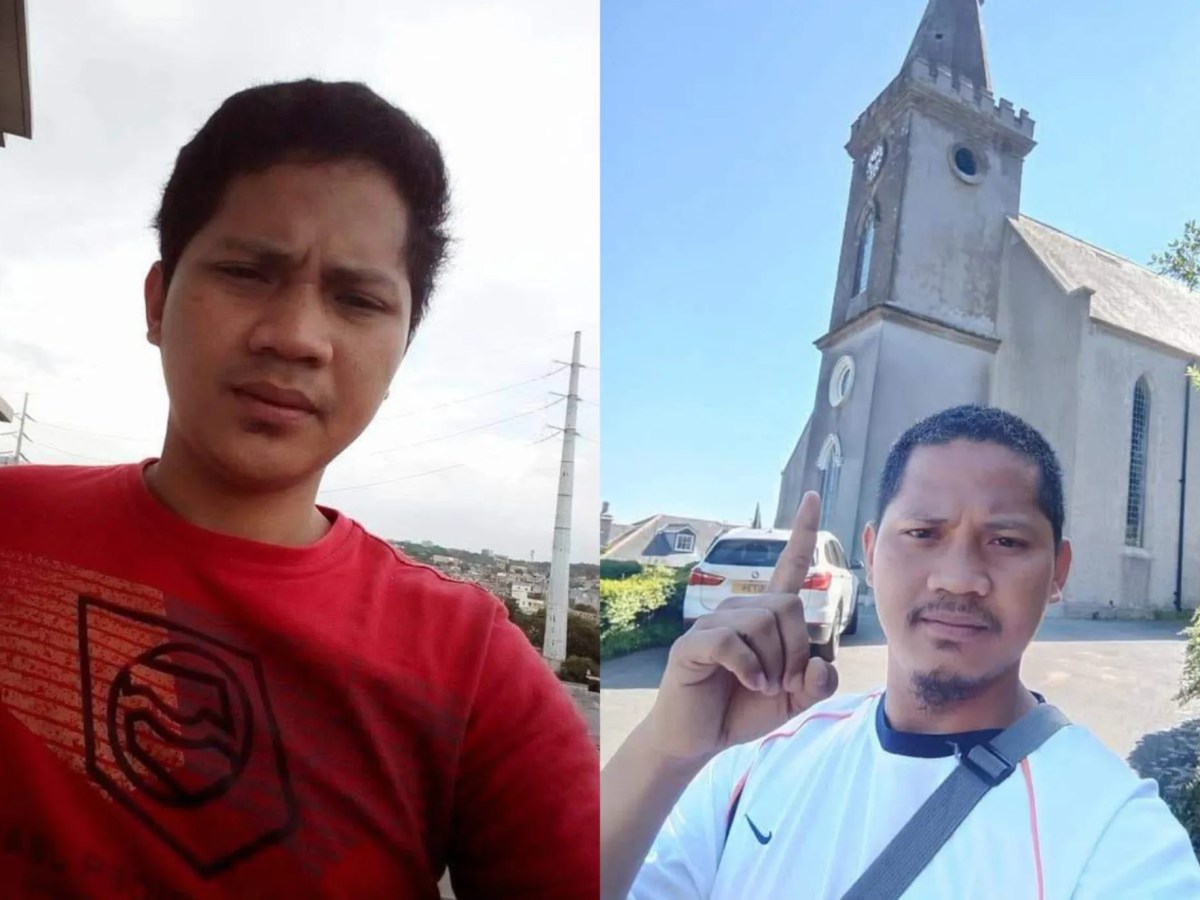
Mr Castrudes died on 23 January 2025 aged 37 at Jersey General Hospital, four days after being rescued from a fire in his cabin at La Valette Nurseries in Grouville.
Cold and cost of heating contributed “more than minimally” to death
A four-day inquest into his death which started on Monday concluded today that he had died from “a hypoxic brain injury, caused by carbon monoxide poisoning” after lighting coal in a washing machine drum he was using as a firepit inside his cabin.
“On the balance of probabilities, I find that the combination of the inherent challenges with heating the portacabin, combined with concerns about the financial cost… contributed to George’s decision to light a fare in his portacabin and therefore contributed more than minimally, negligibly or trivially to his death.”
The inquest heard that the cabin was licensed under transitional provisions of the Public Health and Safety (Rented Dwellings) (Licensing) (Jersey) Regulations 2023 and had not been inspected before a licence was issued.
Environmental Health officer Mr Cragg gave evidence that the heating sources in the property were insufficient and that it was “highly unlikely that the portacabin would have been considered a habitable temperature on the night of 19 January when the temperature dropped to 0.3 degrees”.
The Coroner concluded: “On the balance of probabilities, I find that the portacabin was cold on the night of 19 January and that this influenced George’s impulsive decision to light a firepit inside of the cabin.”
The Coroner added that Mr Castrudes “could not have been aware of the risk of carbon monoxide poisoning”.
He also determined that a smoke alarm fitted in the bedroom was not working due to a depleted battery.
While Mr Berry said it would not be appropriate to conclude that this contributed to the cause of death, he added: “I am satisfied that the absence of a working smoke detector meant that any opportunity to rescue George from the cabin before he was fatally injured was lost.”
Turning to the prevention of future deaths, he noted that of the 17,500 dwellings licensed under transitional provisions, there was no information held about how many were portacabins, and that neither Jersey Customs and Immigration Service nor the Jersey Farmers’ Union could provide figures for how many cabins were used as staff accommodation.
A risk workers will be “slow to raise complaints”
While officials from the JCIS told the inquest this week that they are happy to investigate if anyone raises an issue, the coroner noted that some may be hesitant to do so.
“I think there is a risk that migrant workers, particularly those working in low paid jobs on temporary work permits, will be slow to raise complaints about the quality of their staff accommodation for fear of that prejudicing their future temporary employment,” he said.
The Deputy Viscount also said that he proposed “to write to the Jersey Farmers Union, the Minister for Home Affairs and the Minister for Environment to recommend that further work is undertaken to identify the instances where portacabins are being used as staff accommodation during the winter months and assess whether they meet the requirements of the Public Health and Safety (Rented Dwellings) Law 2018.”
During the inquest, Mr Castrudes was remembered as a man who was “very smiley” and “cheerful”, with a “kind-hearted attitude”.
Bringing the inquest to a close, the coroner told Mr Castrudes’ family “how very sorry I am for your loss”.