

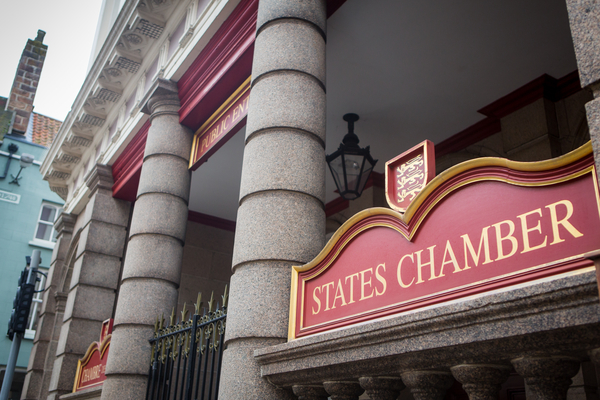
A week ago, Chief Minister Ian Gorst revealed that the deficit in public finances – made up of a shortfall in tax receipts and the extra £60 million needed by Health and Education by 2019 – was predicted to reach £130 million. He outlined a plan to cut £60 million from the States £1m-per-day pay bill, and £35 million of cuts to benefits and services.
Unions have already reacted angrily to the proposals, and to proposals for a pay freeze announced on Friday, and this morning’s States sitting begins with a stack of questions about the plan as politicians start to unpick the detail behind them.
The questions include: the extent to which the move to a “zero/ten” tax system for businesses that taxes finance companies at 10% and most other companies at 20% has contributed to the shortfall; whether outdated tax laws will be changed to allow married women to deal with their own taxes rather than requiring their husbands to do it for them; what the savings target is for benefit cuts; whether workers’ rights and pay will be protected if their roles are outsourced or privatised; what success has been made so far with reducing States’ office space; and whether there is a “Plan B” in case the current plans do not raise enough money to fill the deficit.
