

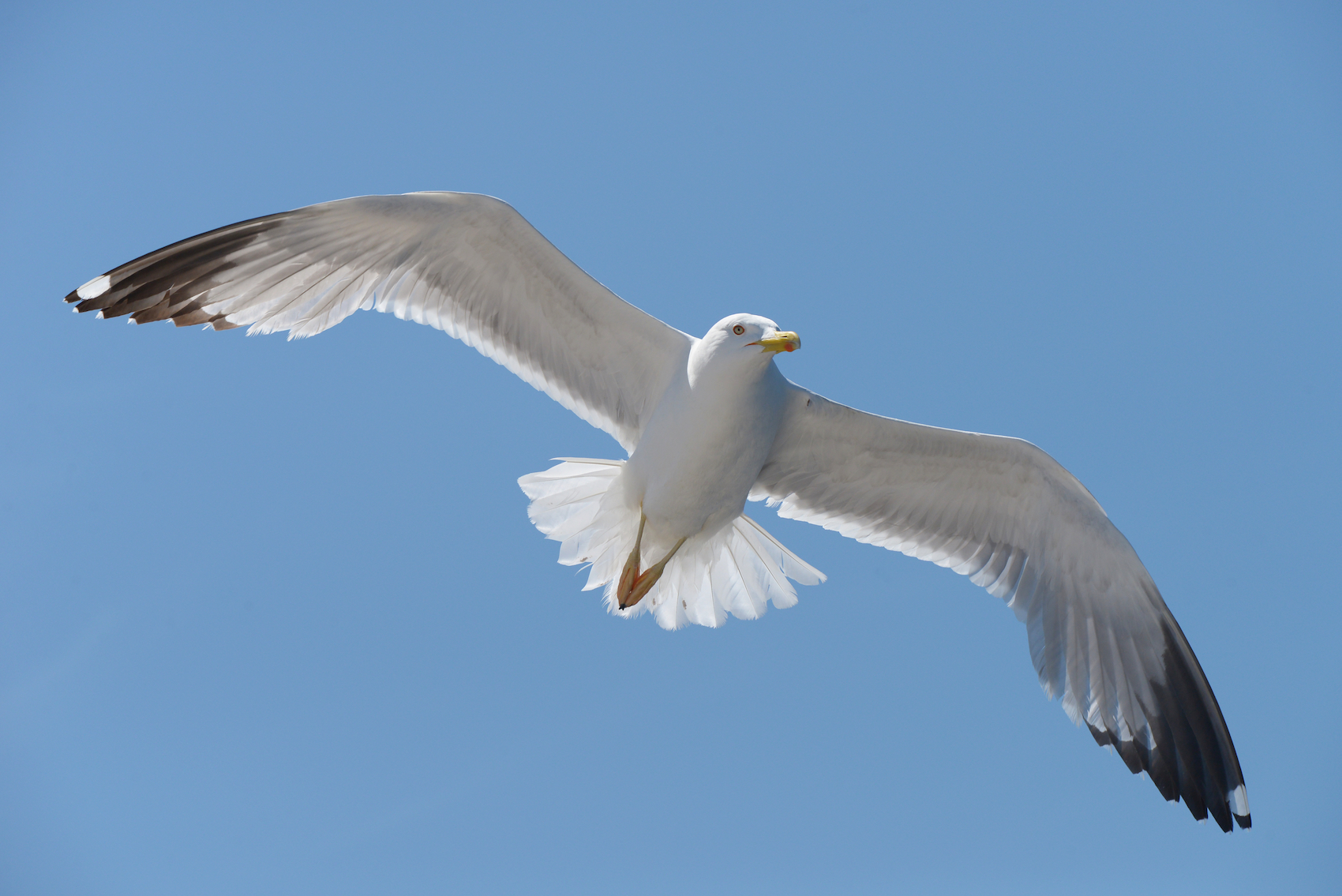
The Government confirmed this morning that herring gull recently found dead at Long Beach, Gorey, had tested positive for avian influenza.
Jersey’s first officially confirmed cases of bird flu were recorded back in February following the deaths of two wild buzzards. One month later, the illness claimed the life of an endangered goose at Jersey Zoo.
Restrictions requiring birdkeepers to lock up their flocks came into force shortly after, but ‘flockdown’ officially ended on Liberation Day.
Officials said the rules wouldn’t return unless the situation “suddenly deteriorates”.
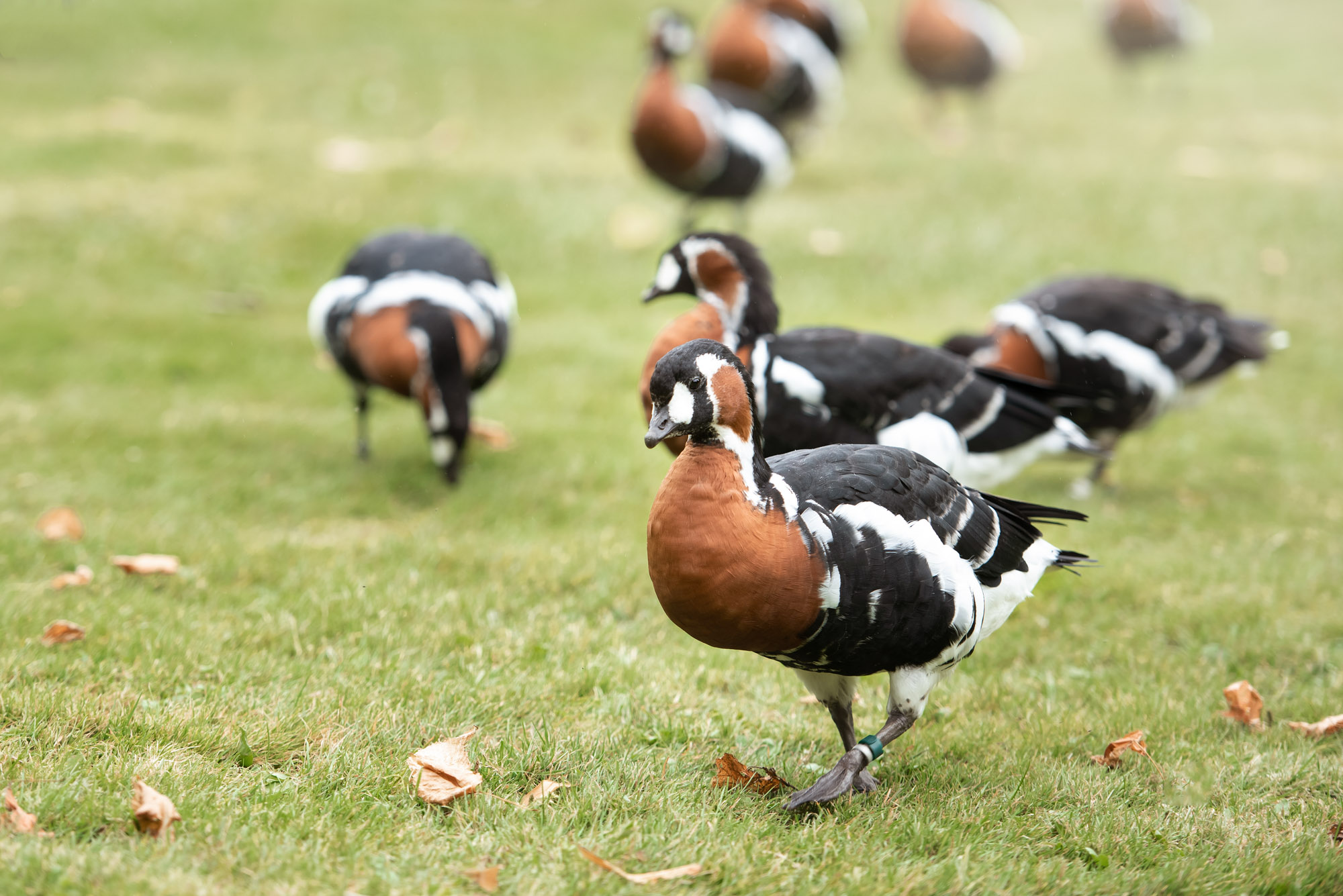
Pictured: One of Jersey Zoo’s endangered red-breasted geese died after being infected with bird flu.
The illness is spread via bird faeces, saliva and mucus and other birds become infected by eating or inhaling the virus.
Although the risk to the public is low, it can be fatal for birds.
“Now, more than ever, we ask Islanders to keep their poultry away from wild birds, and to discourage wild bird access to food, water and bedding intended for the captive birds,” said Jersey’s Deputy Chief Veterinary Officer, Caroline Terburgh, said:
“By following stringent biosecurity measures we can avoid the potential spread of avian influenza, because we do not want to have to impose mandatory housing restrictions during these hot summer months.
“We do, however, ask that keepers begin to consider how they might house their birds, should such restrictions be required again in the event of a wider outbreak in poultry or other captive birds.”
Bird flu advice for bird keepers…
-
Reduce the contact of domestic poultry, waterfowl, and other captive birds with wild birds. Food and bedding should be stored away from wild bird access, and birds should be fed and watered inside their housing.
-
Remove any spilled feed, litter, and standing water.
-
Place foot dips at bird housing or run entrances and exits. Foot dips should be regularly refilled using an approved “diseases of poultry” disinfectant.
-
Maintaine a routine cleaning and disinfecting routine for bird housing, cages, feed stores and pathways leading to and from bird areas.
-
Be vigilant and report any unusual symptoms in birds. Do not handle any dead or unwell birds, and report any suspicious deaths to the Natural Environment team on 01534 441600.
