
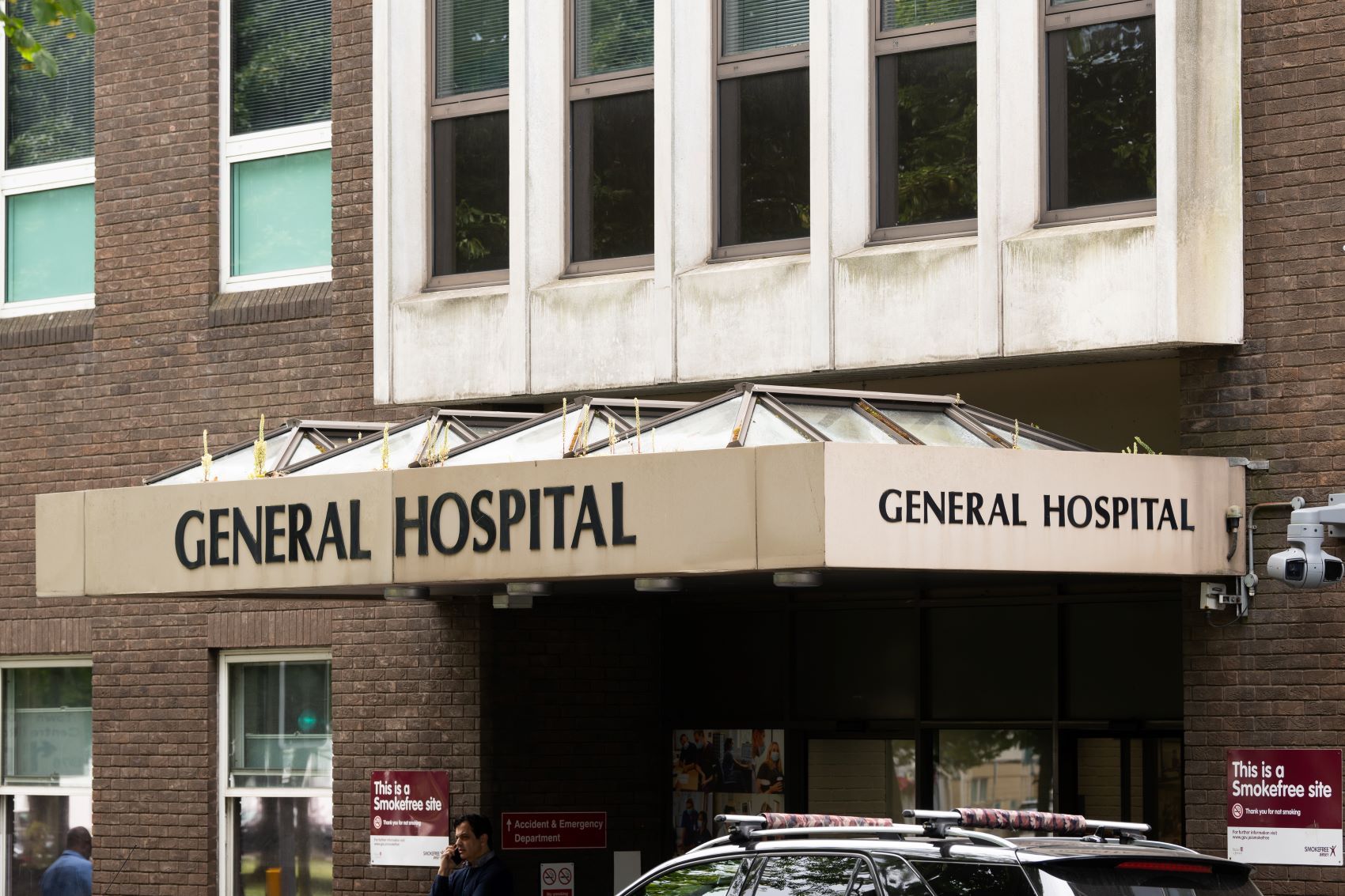

The island’s public sector workforce grew by 153 people in 2025 – primarily due to recruitment across healthcare and education – new figures have shown.
Announcing the release of its Public Sector Staffing Statistics report yesterday, the government cited the impact of the ongoing recruitment freeze, “which targets back-office functions and prioritises staff recruitment to frontline services”.
It noted that, excluding healthcare and education staff, the statistics show that the government headcount decreased by 181 people (a drop of 5.7%) last year.
Since taking office, this government has reduced the number of civil servants in the centre and has strengthened frontline services by investing in key staff in those areas
States Employment Board vice-chair Deputy Malcolm Ferey
A recruitment freeze for non-essential senior roles was implemented for grades 11 and above in August 2024 and expanded in April last year to include roles at grade nine and above, as well as all non-clinical, non-teaching and non-social worker roles in the Health Department and Children, Young People, Education and Skills Department.
The freeze was further extended to include all non-essential roles, regardless of grade level, in December.
The government statement explained that the additional Health and CYPES staff brought on board last year “are mainly frontline workers, employed to meet service demands”.
It said: “Once healthcare and education staff are included, the figures show the total public-sector workforce increased by 153 (headcount) and 175 (FTE) over the year, primarily in posts such as teachers, nurses, doctors, teaching assistants and other medical roles.”

The statement continued: “A number of people in these departments have been moved to permanent contracts rather than agency employment. This provides staff with greater job security and reduced consultancy costs. It is a more efficient use of public funds.”
It also highlighted that the total increase in headcount last year was “considerably lower” than the growth seen in 2024 (394), 2023 (457) and 2022 (334).
Deputy Malcolm Ferey, vice-chair of the States Employment Board, said: “Since taking office, this government has reduced the number of civil servants in the centre and has strengthened frontline services by investing in key staff in those areas.”
