


Emergency services have issued stark warnings that “years of under-investment” and future budget plans are putting public safety at risk – with both the police and fire services urging the government to rethink its approach to funding.
In separate letters to the Children, Education and Home Affairs Scrutiny Panel, senior figures from both services warned that staffing pressures, outdated equipment, gaps in policy and training, and rising operational demands are leaving frontline responders increasingly stretched.
States of Jersey Fire and Rescue Service Association president Tim Le Cocq wrote: “For too long, government has not adequately invested in the States of Jersey Fire and Rescue Service to provide an environment that appropriately considers the risk to staff, islanders and visitors.”
He said that failings identified in the hours leading up to the Haut du Mont explosion – which killed ten islanders in December 2022 – could be traced back to “years of under-investment and limited capacity”.
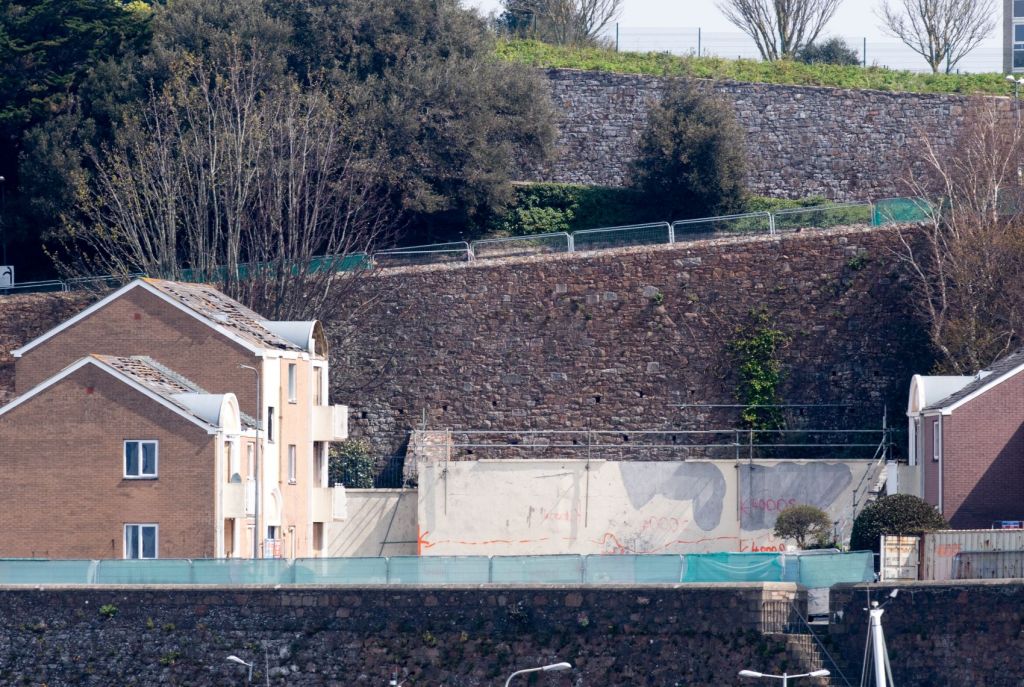
As the government body responsible for employing public servants, the States Employment Board pleaded guilty at the end of September to endangering the lives of its own workers as well as individuals not in its employment.
The two health-and-safety offences related to the response of the Emergency Services Control Centre and the Fire and Rescue Service in the hours before Haut du Mont explosion in the early hours of 10 December 2022.
This included the failure to appropriately triage calls, inadequate supervision of emergency control room controllers, inadequate training, and the absence of policy in relation to dealing with gas-related calls.
Alleged failings of the Fire and Rescue Service included an absence of local policy when attending gas calls, and using devices to detect gas which were not nationally compliant.
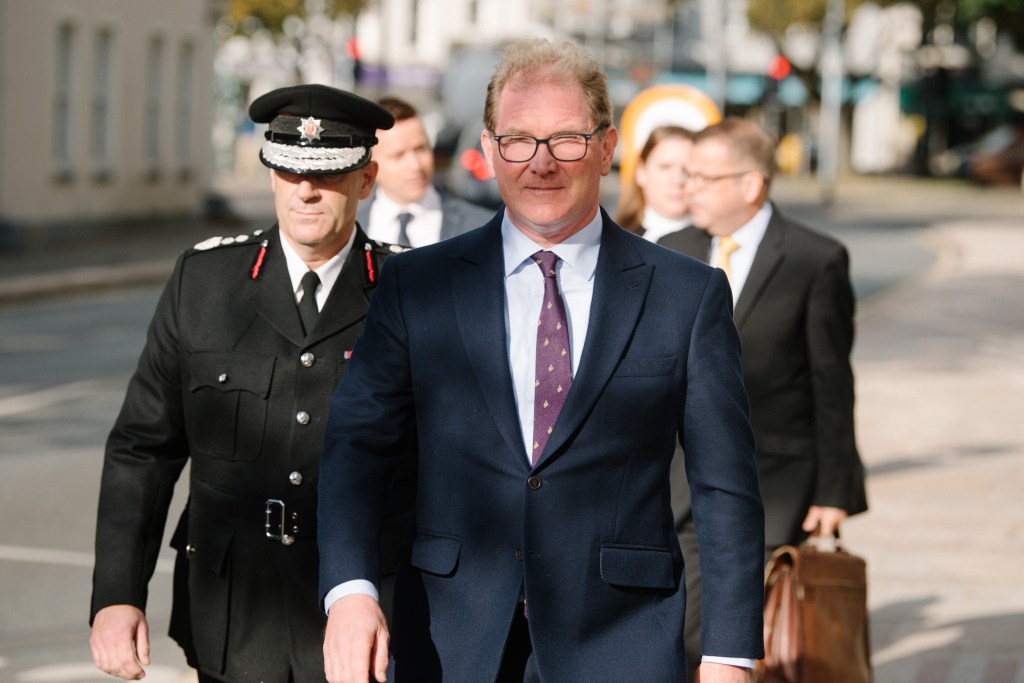
Mr Le Cocq said: “The events which led to the spotlight being shone on these specific failings were tragic, and our thoughts remain with all those affected by the Haut du Mont incident.”
He emphasised that the government could not wait for another tragedy to occur before learning lessons and improving emergency preparedness, something which he said “must come first and as a priority”.
He also highlighted ongoing risks to firefighters caused by degraded protective gear and exposure to carcinogens, urging investment in new PPE and PFAS health screening.
Days later, Jersey Police Authority chair Simon Harman issued a similar warning, calling for an “urgent” review of the government’s proposed 2026 Budget, which he says leaves the force with “insufficient” funding to meet modern policing demands.
Mr Harman explained that staff wages make up £28.5 million – about 91% of total spending – for the force, leaving little room in the budget to handle rising costs, new pressures, or future investments.
With funding staying flat, the police “will face a real-terms decline in available resources over the next four years”, he warned.
Mr Harman said that the officers are operating in an “increasingly complex environment”, dealing with “more vulnerable individuals, more technologically sophisticated criminal activity, and more statutory and partnership responsibilities than at any previous point”.

He explained: “The combined effect of these pressures is that the States of Jersey Police is being asked to meet rising public expectations with diminishing real-terms funding.
“This poses risks to response times, to safeguarding outcomes, and to the morale and wellbeing of officers and staff.”
Mr Harman warned the force’s ability to meet its priorities would be “seriously compromised if the current funding trajectory continues”.
He said that the “current financial envelope” is “insufficient” to meet the demands on the force, and called for a “comprehensive review” of police funding.
“This review should also examine the sustainability of staffing levels, particularly in specialist areas such as safeguarding, digital forensics and investigation,” Mr Harman added.
