


An elite athlete who reached the British Championships and qualified for the Team GB pathway has spoken out about how a lack of funding and support forced her to abandon her Olympic weightlifting ambitions.
Despite coming from a family with three generations in the sport, Jorja-Leigh Clark had to turn down a place on the national youth programme because she could not afford it.
The 18-year-old, who has represented Jersey internationally in both weightlifting and hammer throw, has spoken out about the barriers faced by young female athletes in “niche” sports as part of a series examining the challenges faced by women in sport.
This comes after recent data revealed that only 52% of adult women and just 5% of Year 12 girls in Jersey meet the recommended daily exercise guidelines—despite 69% saying they want to be more active.
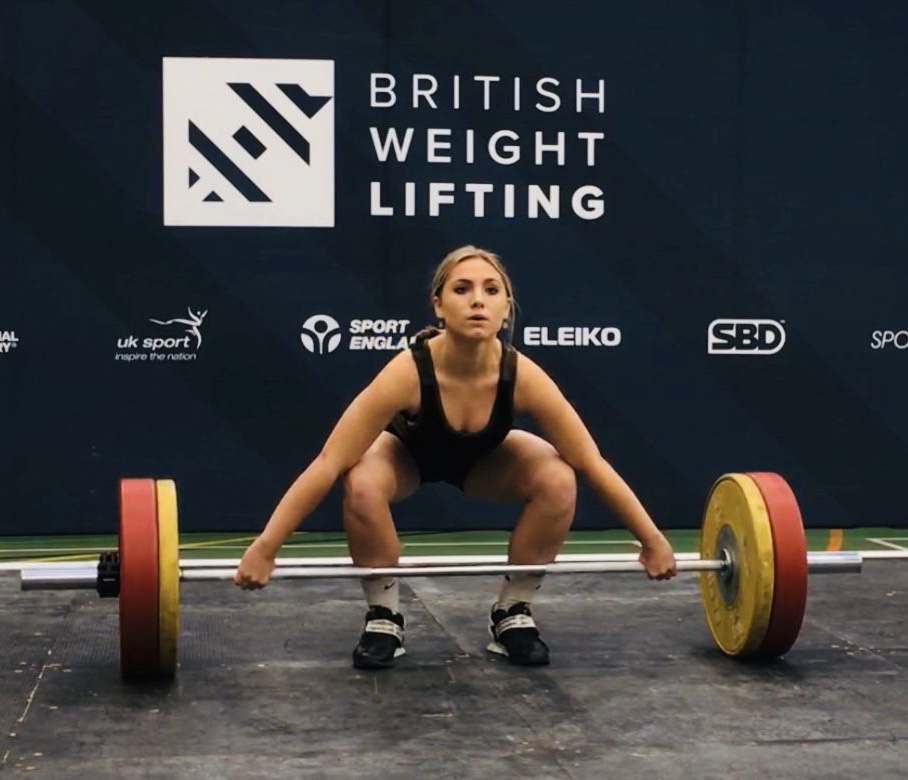
Jorja began weightlifting at 13 through the ‘Power to Podium’ programme run by the Jersey Sport Foundation, a charity established in 2014 to support the development of emerging and elite athletes.
With a strong family history in the sport—her great-grandfather competed at the Olympics, her grandfather followed in his footsteps, and her father is a powerlifter—Jorja was determined to continue the tradition.

However, she quickly encountered challenges her male relatives had not faced.
“When you think about an Olympic weightlifter, you instinctively think big male, big muscles,” the 18-year-old said. “I’m five foot two, and people look at me and say, ‘Really?'”
Even after proving herself at the British Championships and earning a place on the Team GB pathway – which she had to turn down because she could not afford it – Jorja-Leigh said she was often met with dismissive attitudes.
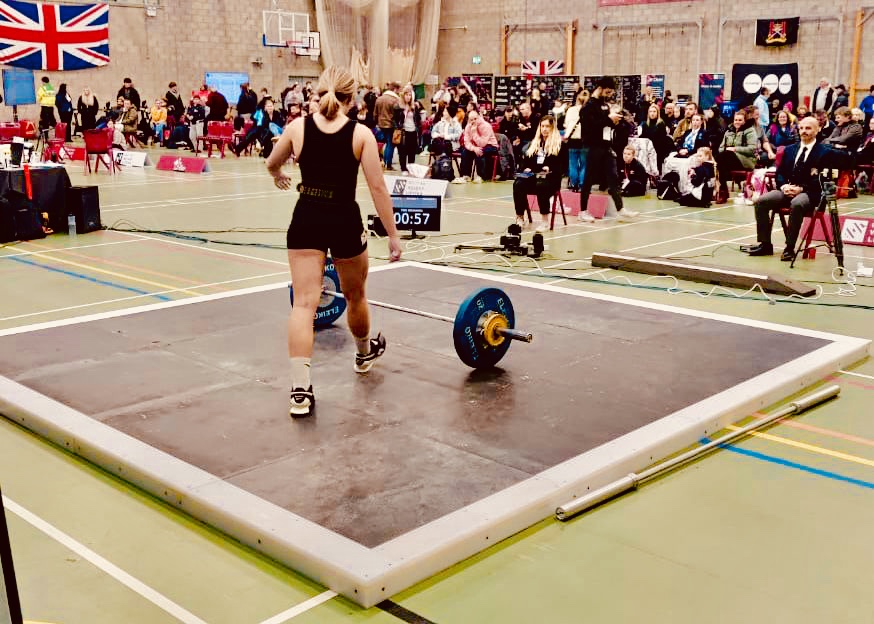
“When I went to the gym, the boys would always say, ‘I’m stronger than you,’” the former Hautlieu student said. “It’s quite degrading, especially when you’ve worked so hard to get somewhere, only to be belittled just because of your gender.”
“People don’t even realise sexism plays a role in sport because they’ve never had to consider it,” she added.
Body image concerns that stem from stereotypical ideas about the female body and funding cuts ultimately pushed her out of weightlifting.
When JSF’s funding was withdrawn a few years ago, the female Olympic weightlifting squad lost their training space, and local gyms refused to let them train.
“I came away from weightlifting because I felt like I was going to get big, I wasn’t going to fit the [beauty] standard… and because when the funding was cut, we all had nowhere to train,” she said.
“The whole Olympic weightlifting squad was female, and we just got thrown out of the sport. Most gyms wouldn’t let us train because they didn’t want us dropping weights.”
She believes losing access to the sport also meant losing an important outlet for mental well-being.
“It’s good for women to have something like that for their mental health, not just for their physical health,” she said.
“Having a sport that you’re really good at is important for your confidence, regardless of gender. If a female footballer benefits mentally from playing, why shouldn’t it be the same for women in niche sports?”
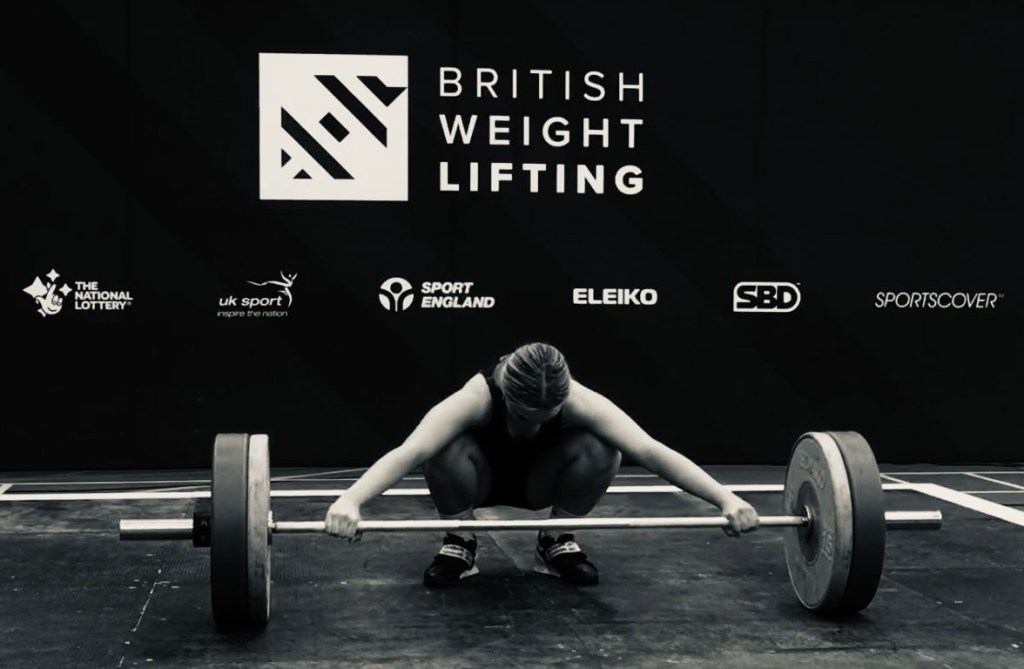
After leaving weightlifting, Jorja took up hammer throw at 16.
She trained as the only female hammer thrower in Jersey for four years, qualifying for the Commonwealth pathway and competing in the 2023 Island Games.
But another barrier was thrown up later that year.
When Storm Ciarán damaged the throwing cage at FB Fields in St Clement in November 2023, it took months for the facility to be repaired.
“We waited months for them to fix the throwing cage after the storm,” she said. “It just wasn’t a priority.”

As well as feeling that “niche” sports are deprioritised compared with more popular ones like football, Jorja also believes there is a disparity in funding between male and female athletes.
“When me and the girls got to British Championships and I got into GB pathway in the youth squad [for weightlifting], I had to completely pull away because there was no funding for us,” she said.
“But if a group of men were going to the Worlds or Europeans, they would have been prioritised. No question.”
Football, she says, is a clear example of how money is allocated.
“Jersey Bulls aren’t going to European or World championships, but they still get the money. We were competing at international levels and still got nothing.”
Jorja believes a lack of financial support has cost Jersey’s female athletes the chance to reach the highest level.
“If we had got the funding we deserved, some of the girls from JSF would be at the Olympics by now,” she said.
“And I would have made the GB youth squad if I had the funding.”
Jorja is currently studying for a FdA Sports Coaching and Development degree at University College Jersey.
