


To get a proper insight, and bust some myths, Express spoke to nutritionist Kit Chamier (BSc Hons, MSc, SENr, ISAK), the founder of Bond Street Health and True Food.
What is gluten?
Gluten is the generic name for the proteins found in wheat, rye, and barley.
Who should be on a gluten-free diet?
Only those who have had an official diagnosis from their GP that they have either coeliac disease, gluten sensitivity or allergy, or dermatitis herpetifomis.
What is the difference between these three conditions?
Coeliac disease is a condition where your immune system attacks your own tissues when you eat gluten.

Pictured: Kit Chamier is qualified in Sport and Exercise Nutrition.
This damages your intestine so your body cannot properly breakdown and absorb nutrients. It can cause a range of symptoms including diarrhoea, abdominal pain, and bloating.
Dermatitis herpetifomis is a symptom of coeliac disease where the skin becomes chronically intensely itchy and affects about 10% of people diagnosed with coeliac disease.
Gluten sensitivity/non-coeliac gluten sensitivity may have similar symptoms to coeliac disease, but it is not clear how the immune system might be involved and there does not appear to be damage to the lining of the gut.

Pictured: Coeliac disease can cause a range of symptoms including diarrhoea, abdominal pain, and bloating.
Can I test at home?
Do not be fooled by the expensive over the counter tests such as York or Lorisian, as these methods are extremely unreliable. Others tests that use hair samples, saliva samples, IgG blood tests, or even to hold electronic handles, are also horribly inaccurate.
A lot of ‘Nutritional Therapists’ use these tests as another means to make money and offer questionable diet advice based on their findings which is why you may have seen them before. Anyone who has authentic education and Registration with the appropriate nutritional bodies (British Dietetic Association or Association for Nutrition) wouldn’t use these tests.
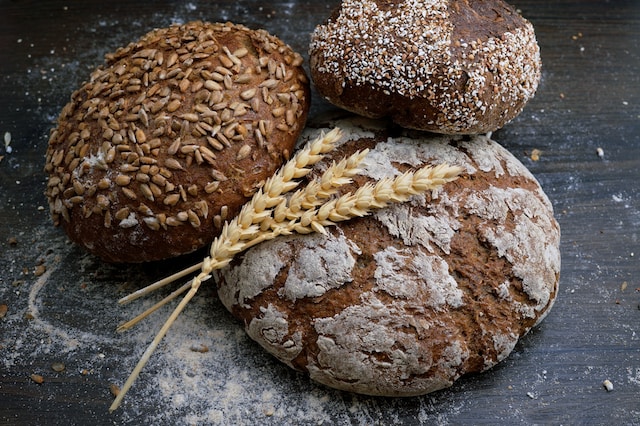
Pictured: Gluten is the generic name for the proteins found in wheat, rye, and barley.
Is a gluten free diet good for you if you’re not coeliac?
It is easy to think that a food which is ‘free-from’ something would therefore be healthier for you. But in fact this isn’t the case.
As well as being fairly unpalatable, gluten-free foods are generally lower in nutrients. Having their gluten stripped from them takes away a number of nutrients (typically iron, folic acid, fibre) and, often, they have added sugar! Yes, sugar is ‘gluten-free’ and is readily used in a lot of products to help with shelf life and flavour.
…but bread makes me bloat?
Don’t jump to conclusions – it’s unlikely that problems from one or two foods means you are coeliac!

Pictured: As well as being fairly unpalatable, gluten-free foods are generally lower in nutrients.
If there is a specific food which you know is causing problems, try reducing the amount you eat.
You may be overeating, which can cause digestive problems like bloating, cramps, or other IBS symptoms. Always seek professional advice if you want to manage your diet efficiently.
So should I eat any ‘free-from’ foods?
If you haven’t been diagnosed or advised by a registered practitioner there is no need to eat free-from foods. Remember they are not healthier or necessarily more nutritious and anytime you cut out whole groups of foods, you run the risk of nutritional deficiencies.
Who should I see for official diagnosis?
Initially, if you have suspicions you can chat to a Registered Dietitian or Nutritionist and they can provide some guidance.
This may involve reduction and removal and a visit to an allergy specialist Doctor. In Jersey, we would refer you to the Jersey Allergy Clinic to see Dr Matt Doyle who can carry out thorough and reliable testing.
