
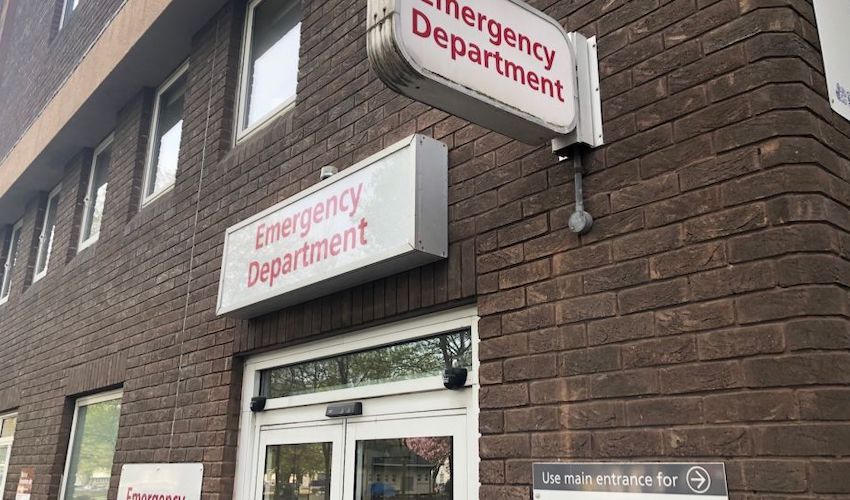

Plans to introduce charges for missing healthcare appointments or misusing the Emergency Department are “inconsistent” with promises to minimise additional costs for islanders, according to a panel of senior scrutineers.
A panel of politicians responsible for reviewing the delivery of the Government’s 13 Common Strategic Policy priorities and how the proposed Budget supports their implementation has published its report.
The panel, which is made up of the chairs from the five Scrutiny Panels and the Public Accounts Committee, has made 21 key findings and 11 recommendations.
Among these key findings is the suggestion that plans to introduce new health fees during a period of ongoing cost-of-living pressures “may be perceived as inconsistent with the Common Strategic Policy priority to minimise additional costs for islanders”.
The government’s 2026 Budget document outlined plans to charge islanders who attend the Emergency Department when care would be better administered by their GP. This would be at the same rate as the fees charged by Jersey Doctors on Call – £77 for islanders and £97 for non-residents.
Under the ministerial plans, there would also be a £55 charge for missing an outpatient appointment – with it being estimated that around 12,000 patients fail to attend such sessions each year.
The panel acknowledged that these charges are intended to promote behavioural change and reduce inefficiencies, rather than generate income, and that exemptions and safeguards have been proposed.
Other key findings and recommendations include criticism of the Government’s lack of long-term planning in several major policy areas – including Jersey’s rapidly ageing population, digital transformation, environmental commitments and cross-government co-ordination.
The panel warned that demographic change is one of the most serious challenges facing the island, yet “no single co-ordinated plan, no lead Minister responsible for delivery, and no cross-government strategy” exists to manage the social and financial consequences of an ageing population.
Scrutineers also raised concerns that the Government’s proposed Budget is effectively a “bridging budget” that defers major financial decisions until after the next election.
Long-term issues such as restoring contributions to the Social Security Fund, planning for rising health and care costs, and strengthening strategic reserves have all been “left for the next Government to resolve”.
There is a clear imbalance between what is being spent and what the Government is receiving
Deputy Inna Gardiner
Common Strategic Policy Review Panel chair Deputy Inna Gardiner said: “This review has been both insightful and timely.
“As this is a ‘bridging’ budget, it provides short-term stability. However, long-term decisions on healthcare funding, demographic change and how we drive economic growth have been left unanswered.
“There is a clear imbalance between what is being spent and what the Government is receiving and there is still no strategic plan to address this in the medium and longer-term without using our reserves, including the Social Security Fund. We are concerned this will come at the expense of future generations.
“We also urge future governments to tackle cross-cutting issues such as demographic change, digital transformation and environmental sustainability in a co-ordinated way.
“We don’t feel this has been achieved, which may undermine Jersey’s resilience in the years ahead.”
