


Memorial stones to honour islanders who lost their lives or suffered at the hands of the Nazis during the Second World War are to be laid next week.
The “Stolpersteine” – which translates as stumble stones – will each be installed at an address with a connection to the person being remembered.
A set of 20 stones was installed in Jersey last summer and the second phase will commemorate a further 25 islanders who lost their lives in prisons or concentration camps or who were persecuted by the Nazis.
The first stone in the second phase will be laid outside the Town Hall at 10am on Monday in memory of Peter Johnson, who died at Mittelbau-Dora Concentration Camp in 1944.
Chris Addy, from Jersey Heritage, said: “It was incredibly moving last year when we laid the first set of Stolpersteine in Jersey and the feedback we received from the community, especially from the families of those being commemorated, was hugely supportive.
“The Stolpersteine project is another way for us to share the stories of those who suffered at the hands of the Nazis during one of the most significant and difficult times in the Island’s history, and to ensure that those stories are never forgotten.”
Stolpersteine are cobble stones with an engraved brass cap that are inserted into public pavements and roadways in memory of victims and survivors of Nazism as part of a Europe-wide project.
The second set of stones has been funded by a local benefactor who has chosen to remain anonymous.
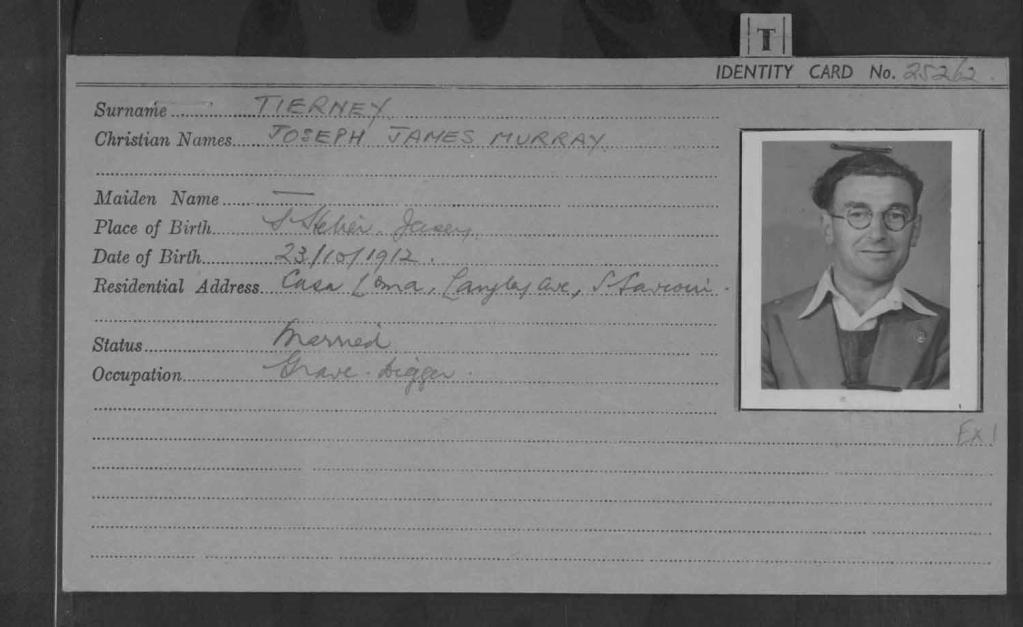
One of those being commemorated is Joseph Tierney, who died in Kastice in May 1945 and is buried in Psov in Czechia. A stone is being laid outside the house in Langley Avenue, St Saviour, where he lived.
His daughter, Pat Fisher, said: “On behalf of my family and myself, we wish to express our thanks to Gilly Carr, Jersey Heritage and the Stolpersteine organisation for honouring my father, Joseph Tierney, with a Stolperstein memory stone.
“We are extremely proud to be able to witness this presentation during the 80th anniversary year of his death.
“He died in Kastice, Czech Republic, in May 1945 while being transported to another prison. It is very poignant that the stone will be set outside “Casa Loma”, Langley Avenue, where he lived with his wife, Eileen, and where he was also arrested by the Nazis.
“My mother would be so proud, and humble, of this recognition but always wondering why he had to die in this way. He was a loving, caring man who did not deserve to be treated and punished in this way.
“Ultimately, he died an innocent man.”
What are Stolperstein?
A Stolperstein – or ‘stumble stone’ measures 10cm2. Each one is handmade by German artist Gunter Demnig, who initiated the project in 1992. There are now more than 100,000 Stolpersteine laid across mainland Europe.
The UK received its first Stolperstein three years ago in memory of a Dutch woman of Jewish heritage, Ada van Dantzig, who was murdered in Auschwitz aged 25. It was laid in London at her place of work.
They are designed to be small and unobtrusive and often discovered by chance.
The Stolpersteine project commemorates anyone persecuted and/ or murdered by the Nazi regime.
Who is being commemorated?
The second phase of the project in Jersey will see 25 stones placed across the island. Those being remembered are:
Those being remembered with a Stolperstein in 2025 are:
Flavien Barbier
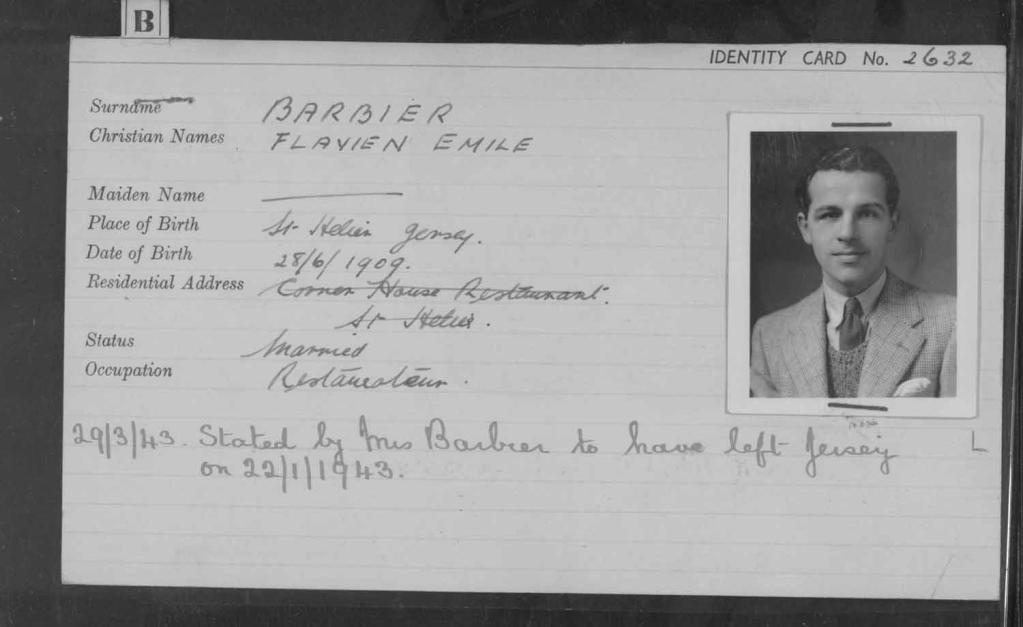
Arrested for taking part in demonstrations in September 1942 and also charged with
‘concealing stolen goods’, before being deported in January 1943. He was liberated from Rollwald Penal Camp on 26 March 1945. Although he survived, his wartime experiences had a profound effect on his mental health.
Gerald Bird
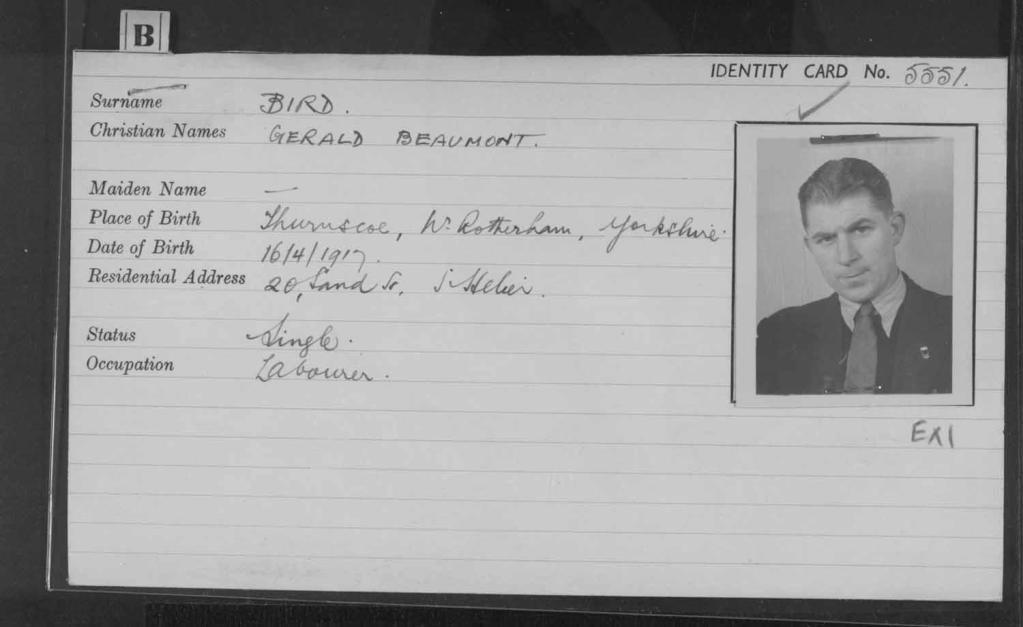
Sentenced in January 1944 for ‘failing to surrender an anti-German leaflet’ and imprisoned, first in Alderney and then in France. He attempted to escape from Lisieux Prison in June 1944 before being liberated from Spittal, Austria but suffered from long-term PTSD.
Canon Clifford Cohu
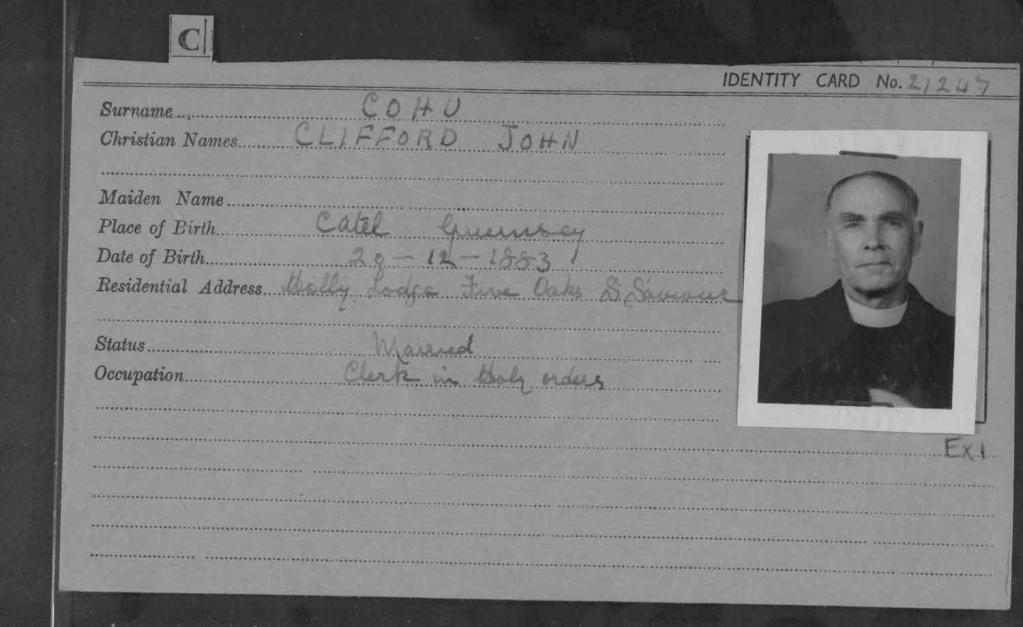
Arrested and deported in 1943 for a radio offence. He died in Zöschen Forced Labour Re-education Camp in Germany in September 1944.
Arthur Dimery
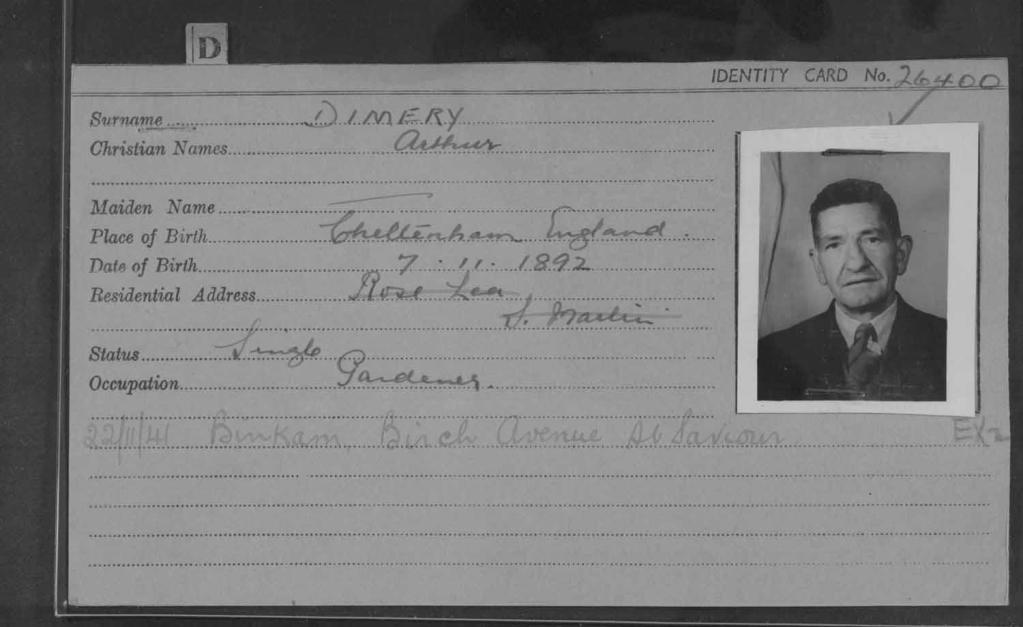
Arrested for a radio offence in March 1943 and deported two months later in May. He died in Laufen internment camp on 4 April 1944.
George Fox
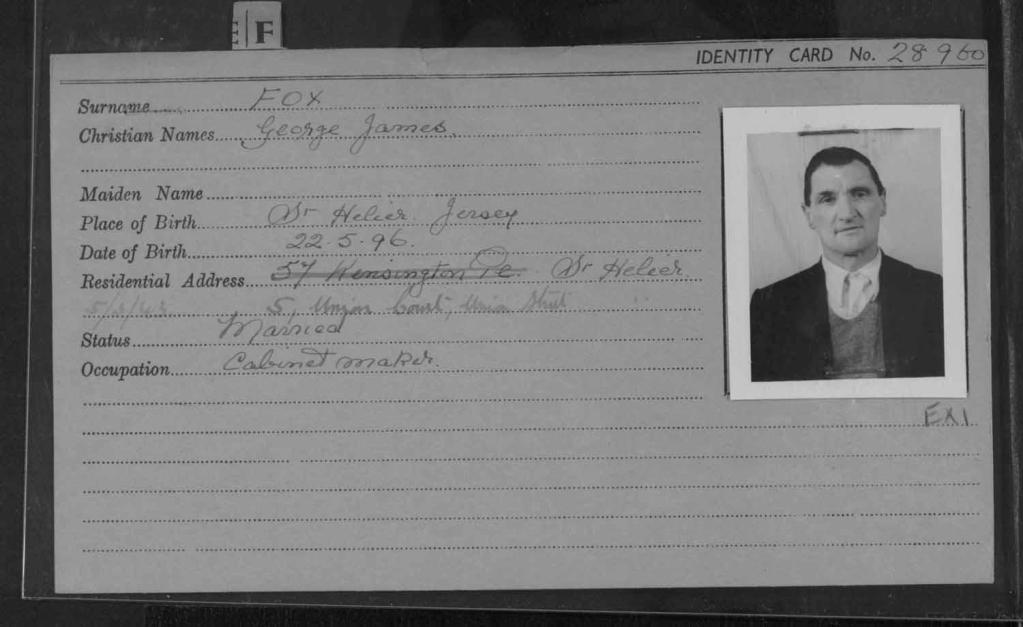
Sentenced to two years imprisonment in June 1943 for ‘continued larceny’ – stealing from a German barracks to feed his family. Died 11 March 1945 at Naumburg Prison.
Louisa Gould
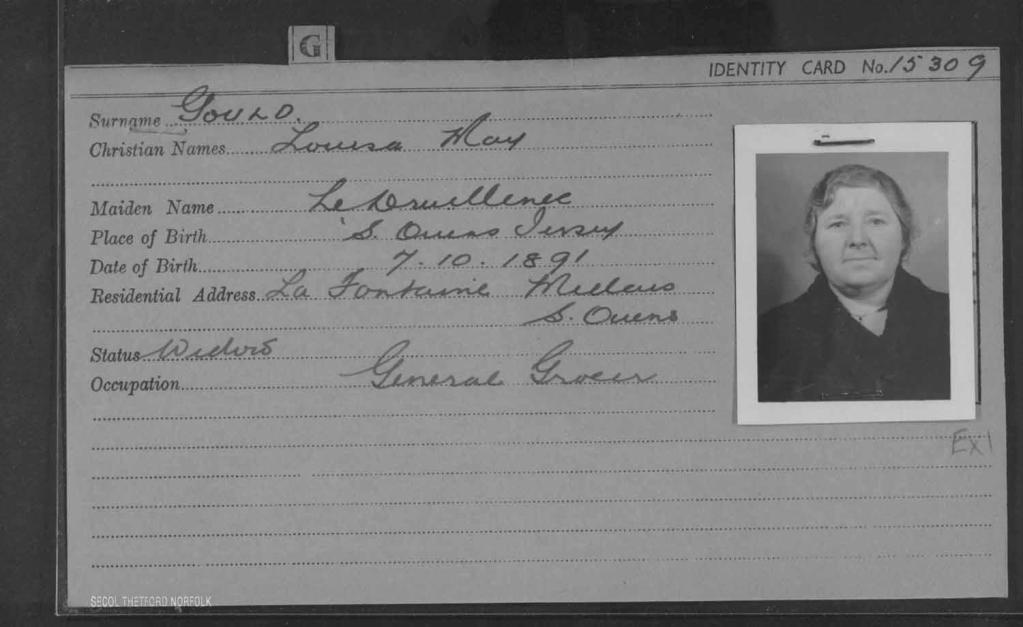
Was imprisoned in May 1944 for sheltering a Russian slave worker and possession of radio and camera. She was murdered in Ravensbrück in February 1945.
Maurice Gould

Arrested when attempting to escape with Dennis Audrain and Peter Hassall on 3 May 1942. He died at Wittlich on 1 October 1943.
Stanley Green
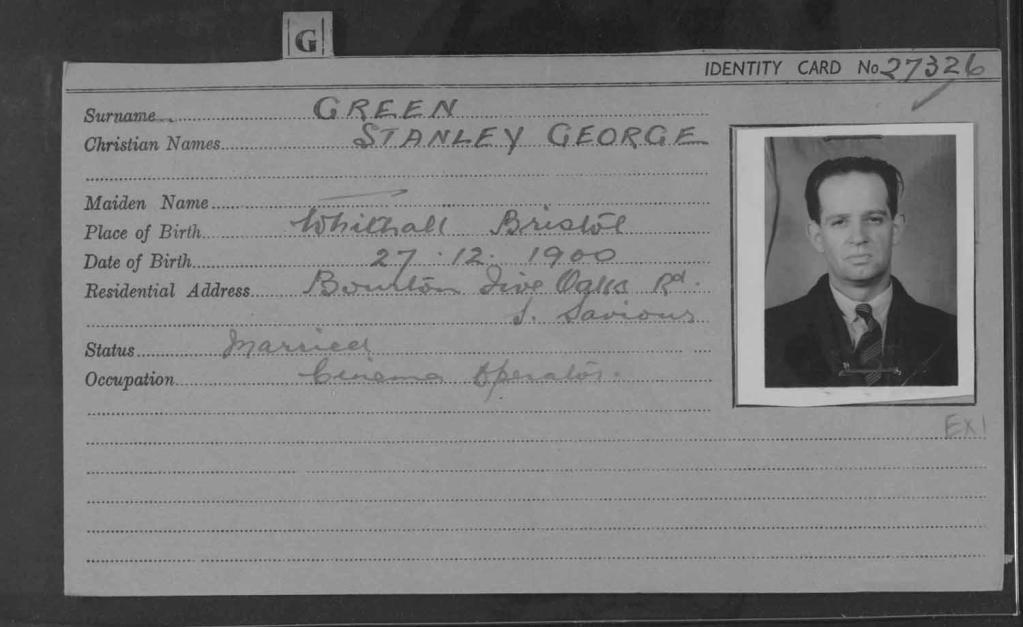
Arrested in January 1944 and deported in March for possession of a radio and camera. He was liberated from Laufen internment camp May 1945.
James Houillebecq
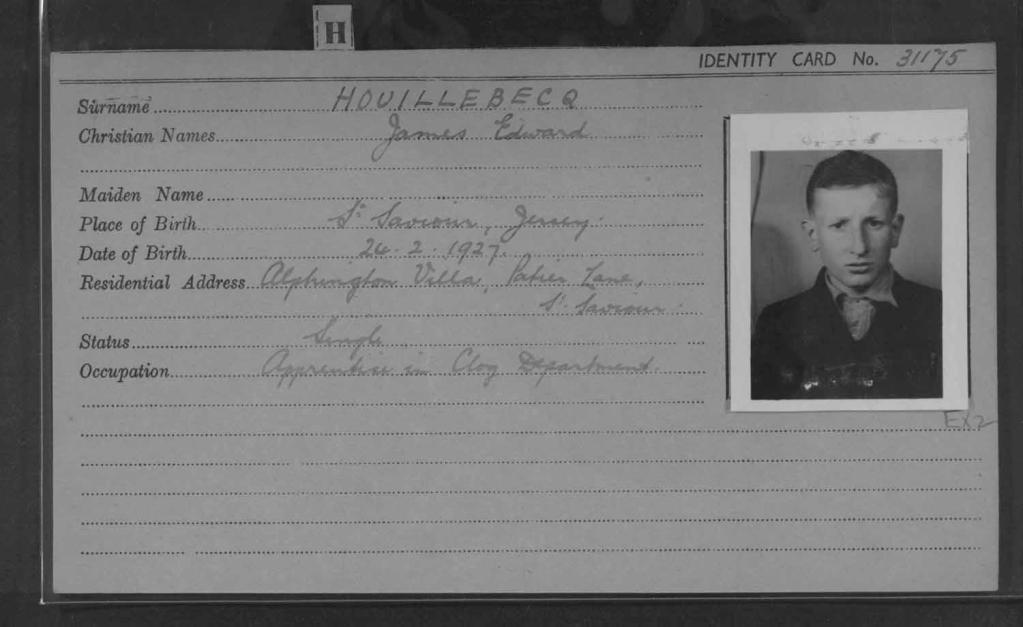
Arrested in May 1944 for the unauthorised possession of arms, and was deported in July. He died on 20 January 1945 in Neuengamme concentration camp.
Peter Johnson
Arrested for sabotage and died in Mittelbau-Dora Concentration Camp in 1944.
Francois Le Villio

Was sentenced and deported in June 1944 for ‘serious military larceny’ – stealing from the German Forces. He was liberated from Sandbostel Concentration Camp 29 April 1945 but died in Nottingham on 26 November 1946 having been fatally weakened by his camp experiences and ill treatment.
William Marsh

Sentenced in February 1944 for insulting the German forces, disturbing the working peace and disseminating anti-German information – and deported the following month. He died in Wille concentration camp on 9 March 1945
Edward Muels

Convicted for ‘aiding and abetting desertion’ in May 1944 and deported in June 1944. He died in Kassel-Wehlheiden Prison in January 1945.
John Nicolle

Arrested for a radio offence and subsequently deported in May 1943. He died on 14 February 1945 in Dortmund.
Leonce Ogier
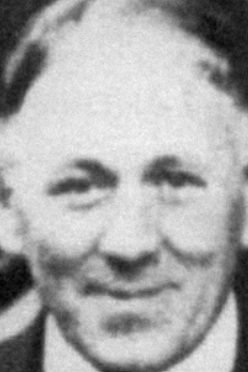
Arrested in February 1943 for possession of a map of German fortifications and a camera before being deported in March 1943 and sentenced in Paris in May 1943. He subsequently received a pardon and repatriated to Jersey before being deported again in July 1943 to Biberach internment camp and died in Ulm Hospital.
Frederick Page
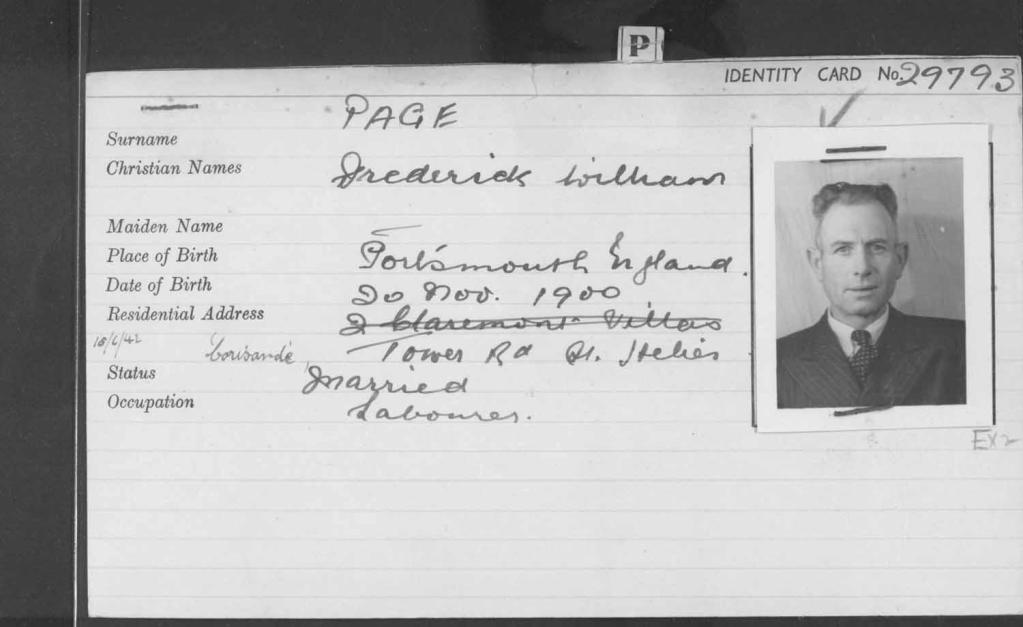
Sentenced in July 1943 for a radio offence and deported in September. He died on 5 January 1945 at Naumburg Prison.
Clarence Painter

Arrested for possession of a radio, a camera, photographs and a First World War pistol and was murdered on 16 February 1945 while in transit to Mittelbau-Dora concentration
camp.
Peter Painter
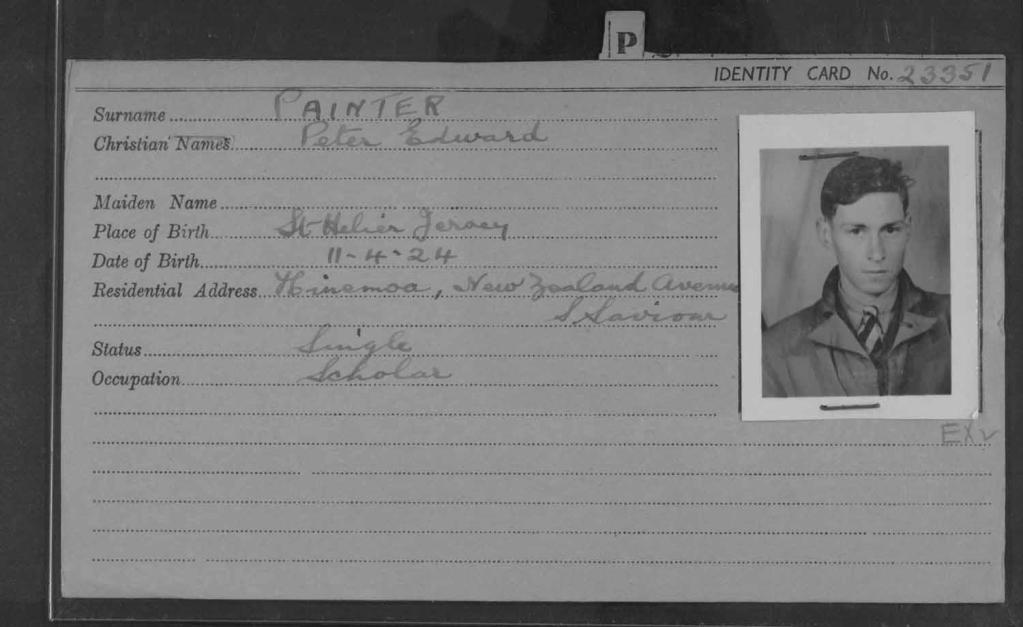
Arrested for possession of a radio, a camera, photographs and a First World War pistol, was deported in December 1943 and died on 27 November 1944 in Gross-Rosen.
Emile ‘Joe’ Paisnel
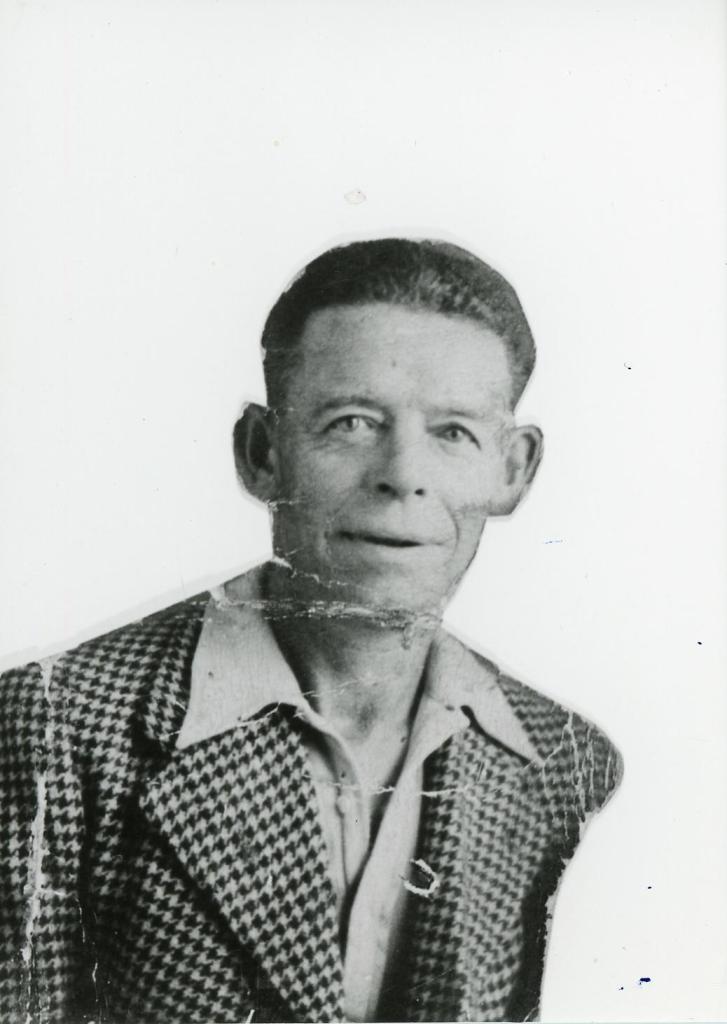
Sentenced for ‘receiving stolen articles in February 1944 having unknowingly acquired coal stolen from the German Forces. He died in Naumburg Prison on 29 August 1944.
Clifford Quérée
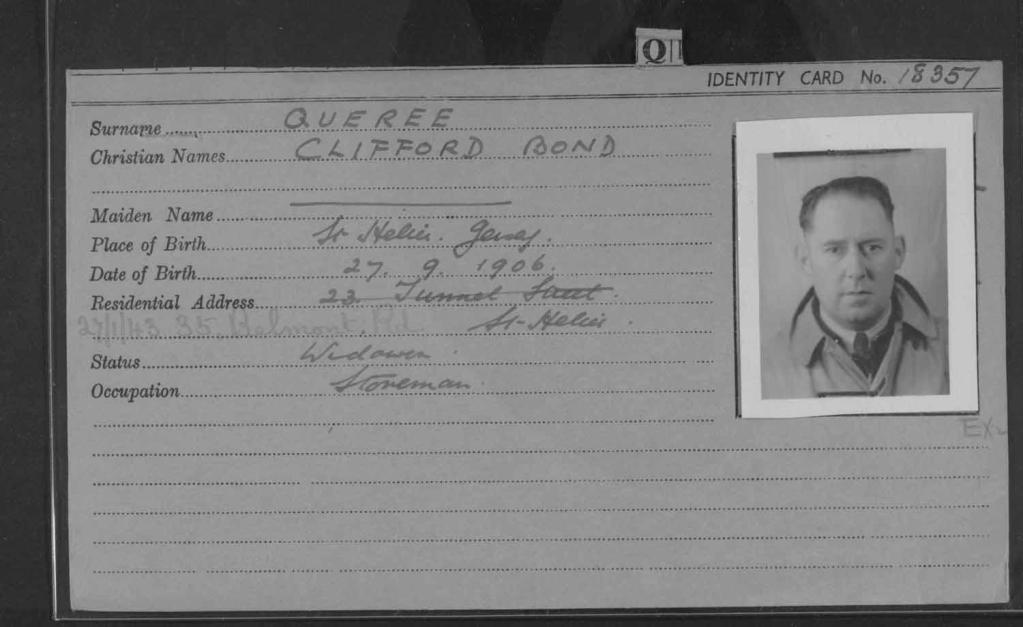
Sentenced on 23 June 1943 for ‘continual receiving of stolen articles’ for buying German bread that, unknown to him, had been stolen. He died in Naumburg Prison on 1 May 1945.
Marcel Rossi
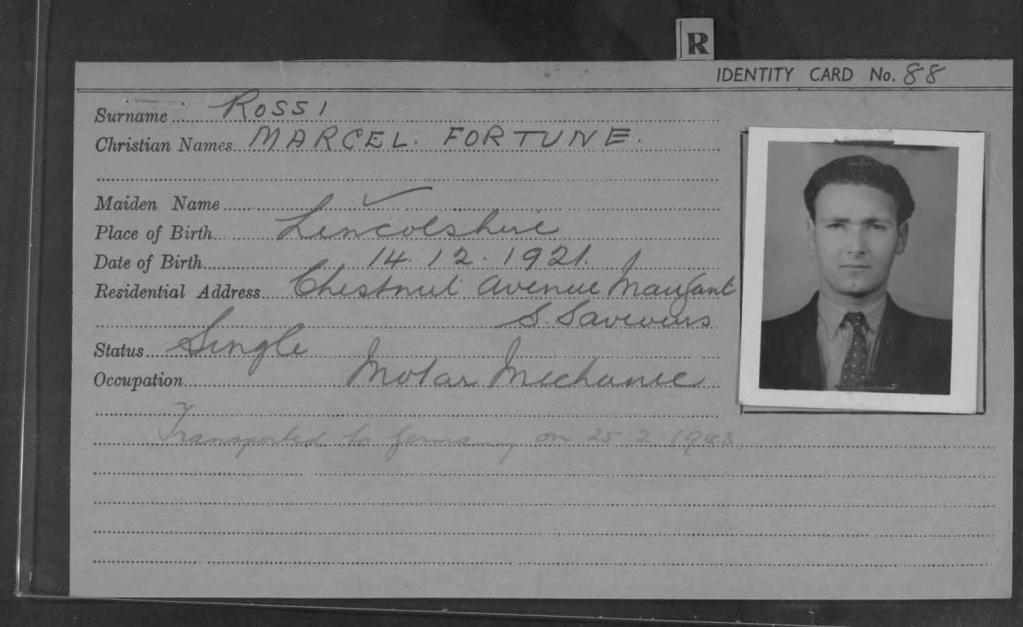
Was deported with his father, Jean, on 25 February 1943 for refusing to work for the German Forces. He died Hersbruck in February 1945.
Samuel Simon
Received a deportation notice due to being a registered Jew and died on 7 November 1943 from ‘senile myocarditis, cardiac failure’ exacerbated by trauma, principally due to the threat of deportation.
June Sinclair

Arrested and deported for slapping a German soldier who made crude remarks and attempted to kiss her. She was murdered in Ravensbrück concentration camp on 26 April 1943.
John Soyer
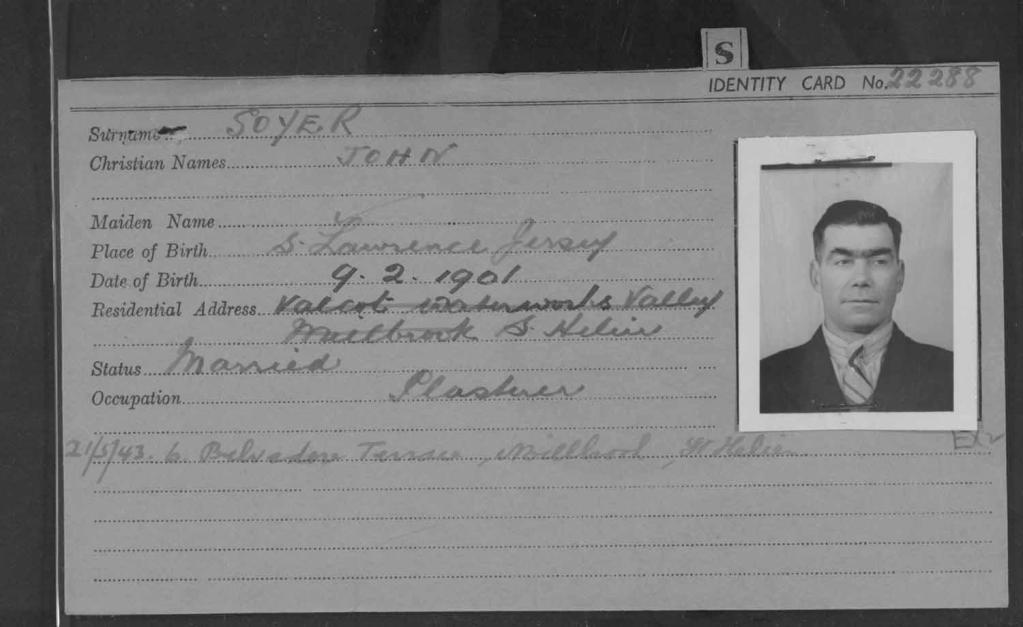
Sentenced in August 1943 for a radio offence and deported in December 1943. He escaped Villeneuve Saint-Georges Prison in June 1944 and joined the French Resistance. He was shot and killed on 29 July 1944.
Joseph Tierney
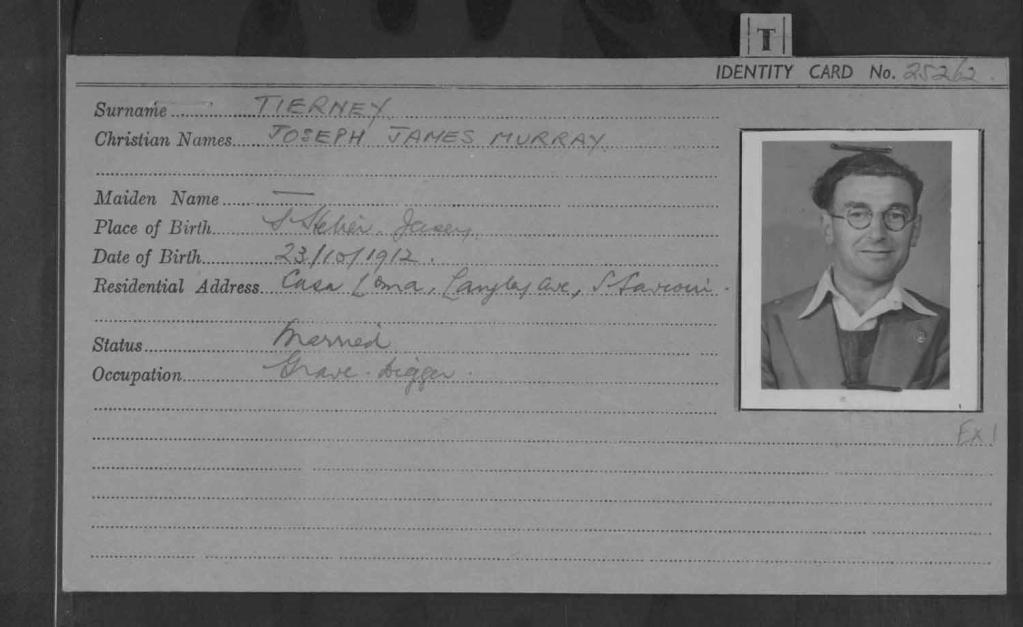
Arrested for a radio offence in March 1943 and deported in September 1943. He died in Kastice, Czech Republic in May 1945.
- All photos from Jersey Heritage except the portraits of June Sinclair and Leonce Ogier, which are courtesy of the Joe Mière and the Frank Falla Archive’
