


Statistics from the newly-released Jersey Child Measurement Programme 2015/16 showed that there had been no change in the proportion of overweight or obese 10 to 11 year olds since the measurement had started in 2011.
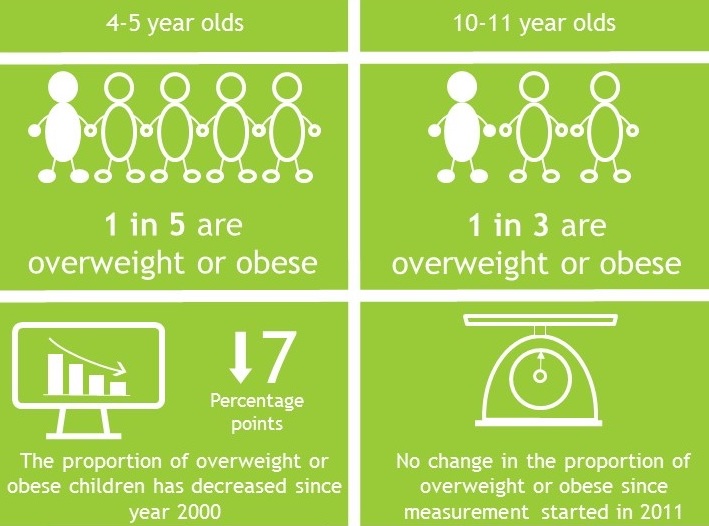
Nonetheless, the proportion of overweight or obese five year olds has decreased since the year 2000 by 7%.
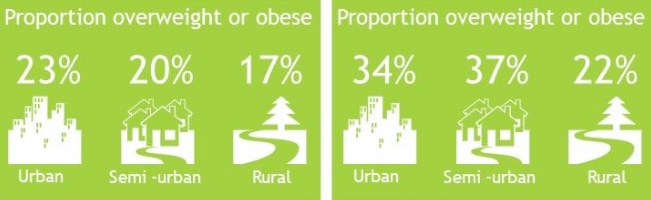
The figures also showed that, for both age groups, rates of obesity were higher for children living in urban (St Helier) or semi-urban (St Brelade, St Clement and St Saviour) areas than for those living in more rural parishes.
Quantities of underweight children were no cause for concern, however, with less than one percent of the around 2,000-strong sample group affected.
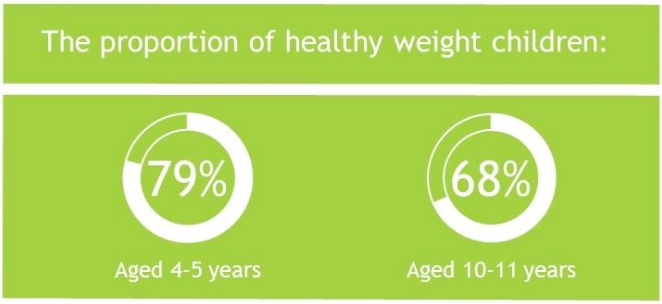
Proportions of children at a healthy weight according to BMI classifications stood at 79% and 68% for four to five and 10-11 year olds respectively.
This leaves Jersey in line with the UK rates for Reception-aged children, with around one in ten children classified as obese. At age 10-11 years (between Years 5 and 6), however, obesity prevalence was recorded as being significantly lower in Jersey (14%) then in England (20%).
Last academic year, which saw similar results for the Island, the States’ Head of Health Improvement, Martin Knight, described obesity as a “very worrying public health problem.”
“Poor dietary behaviours have now overtaken other behaviours such as smoking and alcohol as the cause for the greatest burden of disease nationally and internationally… “If we can improve children’s eating habits they will take healthier behaviours with them into adulthood, alongside the related benefits of improved nutrition and loss of weight, reducing their risk of future disease,” he added.
