
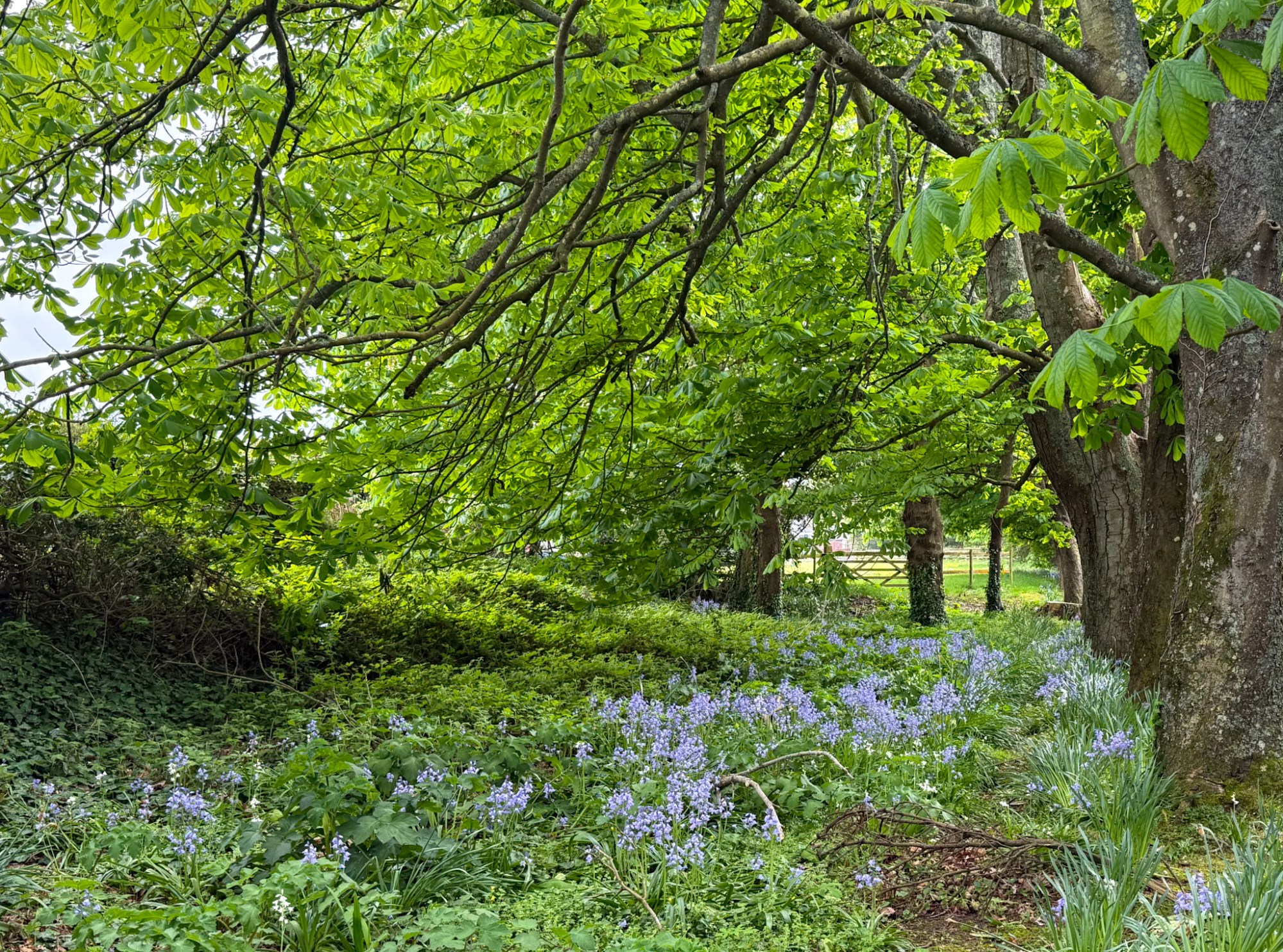

Diseases and climate change-linked storms could tear through Jersey’s tree population, the Environment Minister has said – with three diseases already in the island.
Deputy Steve Luce this week confirmed that ash dieback and sweet chestnut blight have already established themselves in Jersey, while the organism behind sudden oak death has been found in the west of the island.
“The increasing prevalence of such pathogens, combined with more frequent and severe storm events linked to climate change, means Jersey is facing a growing risk of large-scale tree loss,” he said.
The Environment Minister warned that trees would be more likely to fall during storms and succumb to disease, and that the island would “inevitably” have to stage more clean-up operations.
Jersey lost an estimated 400 trees during Storm Ciarán in 2023, and repairs – including the clean-up as well as accommodation for people whose homes were damaged – cost government upwards of £2.74 million.
A Tree Advisory Board was set up in the aftermath to manage the island’s tree populations.
In a letter this week, Deputy Luce warned that storms could have an even worse impact on trees if they are “weakened” by disease.
In 2025, he wrote, the fungus behind sudden oak death was found in rhododendrons in the west of the island. Once the fungus Phytophthora ramorum infects oaks, they and other trees develop bleeding cankers and often die.
The outbreak is being managed in consultation with the UK Plant Health Risk Group, and is “under active management/eradication”, Deputy Luce said.
The Environment Minister added that two diseases, ash dieback and sweet chestnut blight, have been found in the island and are now established. They are “widespread” in France and the EU and were blown to Jersey by the wind, he expained.
Both diseases “are likely to have a significant impact on the health and longevity of these tree species”, said Deputy Luce.
