

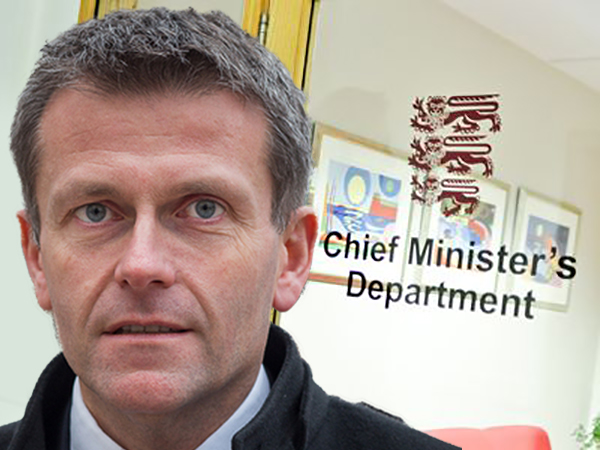
He says that Jersey needs a stronger system of government, with ministers working together under a plan agreed by the whole States Assembly.
His plans – which if approved by the States would be in force in time for the next Chief Minister taking office after the October elections – would make the biggest changes to the system since ministerial government began in 2005.
The main changes would:
- Let a new Chief Minister put up a set of ministers that he or she has chosen, without having to fight through a set of alternatives from the rest of the States.
- Let the new Chief Minister sack ministers.
- Let the Council of Ministers vote to order a minister to change a policy.
- Bind all ministers together under “Collective Responsibility” so that they would have to stick together and back each other up.
Senator Gorst said that the proposals – due to be debated on 29 April – would mean a stronger government.
He said: “The procedure for the appointing the Council of Ministers as a group, rather than individually, would allow the Assembly to demonstrate its confidence in the collective government of the Council of Ministers, rather than in individual ministers, as is presently the case.
“The Assembly would be demonstrating that it expects individual ministers to adhere to the important principle of collective responsibility – representing and implementing agreed policy as set out in the Strategic Plan approved by the Assembly. This would result in a much more efficient and effective system of government for the Island.”
