


The confirmation from Chris Taylor’s representative, Advocate David Steenson, came in the closing minutes of a Royal Court hearing to establish if the Constable had broken his oath of office when he was convicted of dangerous driving, and used Parish funds to pay his legal fees. He initially said they would be covered by insurance, but later paid them back himself.
The Royal Court is also being asked to decide if St. John Procureurs Stephen Hewlett and Michel Larose failed in their duty to look after the Parish’s finances.
Just before the Court – presided over by Commissioner Sir William Bailhache, sitting with Jurats Charles Blampied, Jerry Ramsden and Jane Ronge – retired to consider its decision yesterday afternoon, the Commissioner asked how the Constable’s legal fees for these current proceedings were being paid.
Advocate Steenson said the Parish insurance had not been deployed for the proceedings and that the Constable had paid him himself. The procureurs’ lawyers said it was the same for their clients.
But Advocate Steenson then added that Mr Taylor had made a claim to the Parish’s insurance company to get the fees paid reimbursed, but that the insurers hadn’t agreed to it yet.
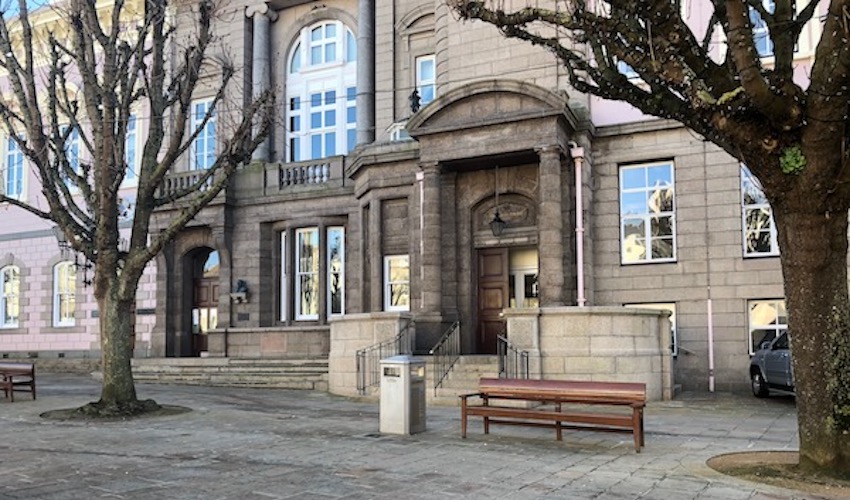
Pictured: St. John’s Constable and Procureurs appeared before Royal Court this week.
It came at the end of a two-day civil hearing, which was triggered by a representation made by the Attorney General, asking that the court decides what actions, if any, should be taken against the trio in relation to their conduct.
On Wednesday, the Court heard from the two Procureurs as well St. John’s Rector, Reverend Beverley Sproats, and Church Wardens, Stewart Langhorn and Nick Crocker, who shared conflicting accounts of discussions over whether Parish money should be used to pay the legal fees in the Constable’s dangerous driving case.
Yesterday, all parties made closing submissions to the Court.
Solicitor General Matthew Jowitt urged the Court to give “earnest consideration” not only to Mr Taylor’s Magistrate’s Court conviction for driving his car at slow speed into a race marshal on 2 June 2019 on La Rue Bechet ès Cats in Trinity, but the Relief Magistrate’s findings, which included that he had used his car “at best as intimidation and at worst as a weapon.”
He suggested they raised questions about the Constable’s “fitness for office”, but also about public confidence in an individual office holder, and wider governance of the island.
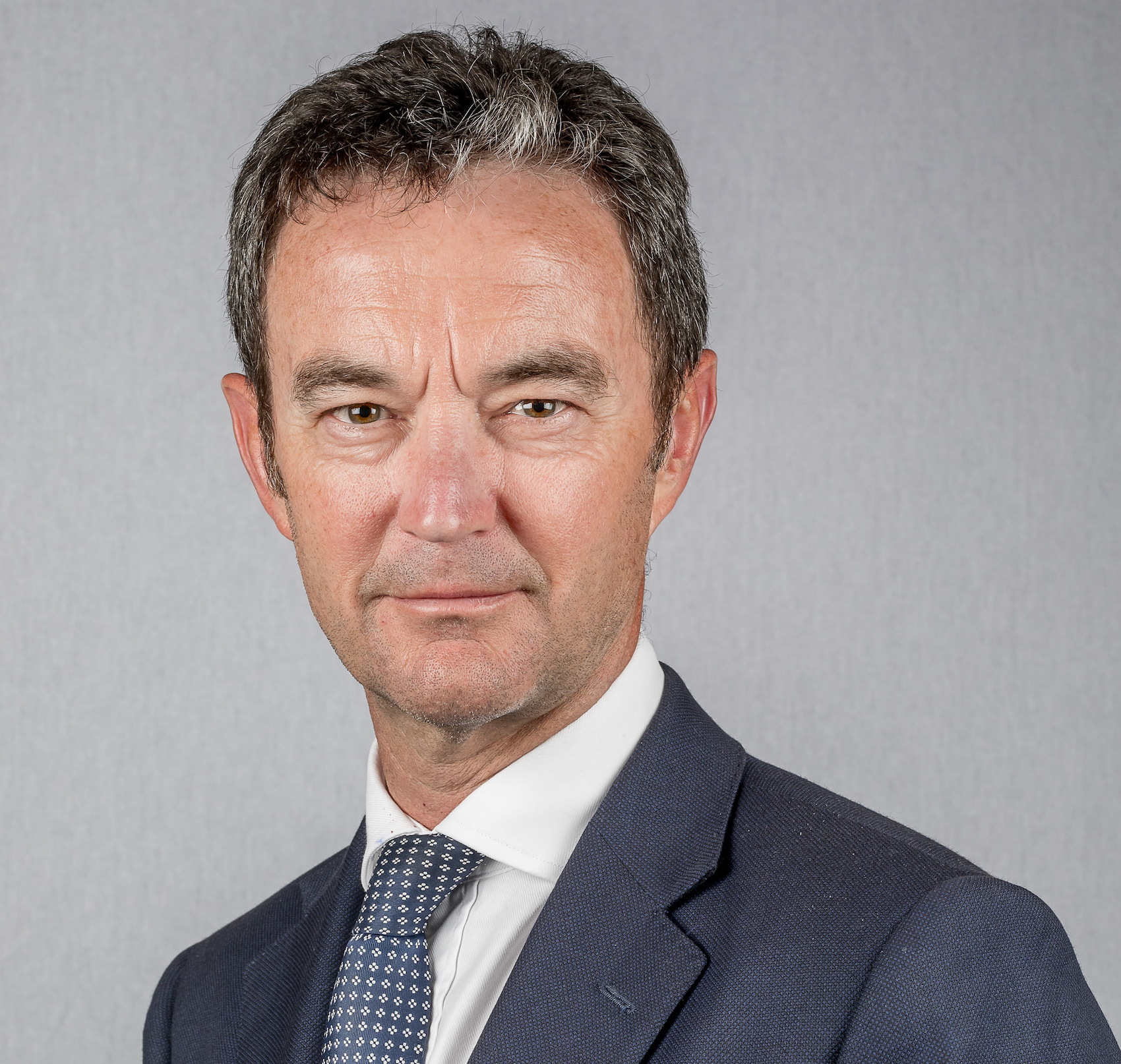
Pictured: The Solicitor General suggested the Court should consider whether the Constable was fit for office given that he had shown “publicly if not contempt, a disinclination to accept a properly reached decision of a court of law.”
The Solicitor General further pointed out that, by protesting his innocence in the media, Mr Taylor had publicly shown “if not contempt, a disinclination to accept a properly reached decision of a court of law.”
He argued that if the Royal Court found that it did not have jurisdiction to discipline a Constable, it would mean that there was no supervision for Constables in Jersey.
He then went on to question whether, the Parish’s Procureurs had in their “loyalty to Mr Taylor” acted with “clouded” judgment and failed to “give proper leeway to their independent judgment about the proper use of parish money.”
The Solicitor General rejected the view that the representation was “double jeopardy” as it was in “different realm” to the punishment received by the Constable for dangerous driving. He suggested it was similar to an Advocate being convicted of an offence and being brought before Court to be disciplined.
Advocate Steenson maintained Mr Taylor hadn’t been present at a Parish discussion over whether legal advice had been sought relating to his use of Parish money.
He told Court the Constable had given a guarantee he would cover any shortfall and believed he was acting on Parish business and in the interests of the Parish at the time of his driving incident, and therefore believed his legal fees should be covered by the Parish insurance.
“There was never an intention for the Parish to pay for the fees if they couldn’t be recovered,” the lawyer said.

Pictured: Advocate David Steenson was representing Constable Chris Taylor.
He conceded that the Procureurs and Constable could have done things “slightly differently” and informed the Parish Assembly the Constable had given guarantees he would pay any shortfall after the insurance claim.
He suggested there was no evidence against Mr Taylor’s account, and argued that the Solicitor General’s questioning of the Procureurs had been a “fishing expedition” in which he hoped they would “trip themselves up.”
Advocate Steenson said that, when applying common sense, the Court would have “little difficulty” in finding that this was a case of an “error of judgment” from the Parish officials, who had “not necessarily reflected the guarantee [Constable Taylor had made to repay any shortfall] in writing”, which he argued didn’t justify him being brought before Court.
Advocate Hiren Mistry, who was representing Mr Hewlett, said it was always the intention that the Parish would not to be “out of pocket”, as the money would be repaid either by the insurance company or the Constable himself.
He said his client was “quite clear” he had never mentioned the Attorney General when he was asked if he had sought legal advice and that the three Church officials who had claimed the contrary had given “three different accounts” as to how he had spoken.
The Church Rector said he had a “strangled tone of voice”, while the Church Wardens each described him as “shouting” and “talking sideways”.
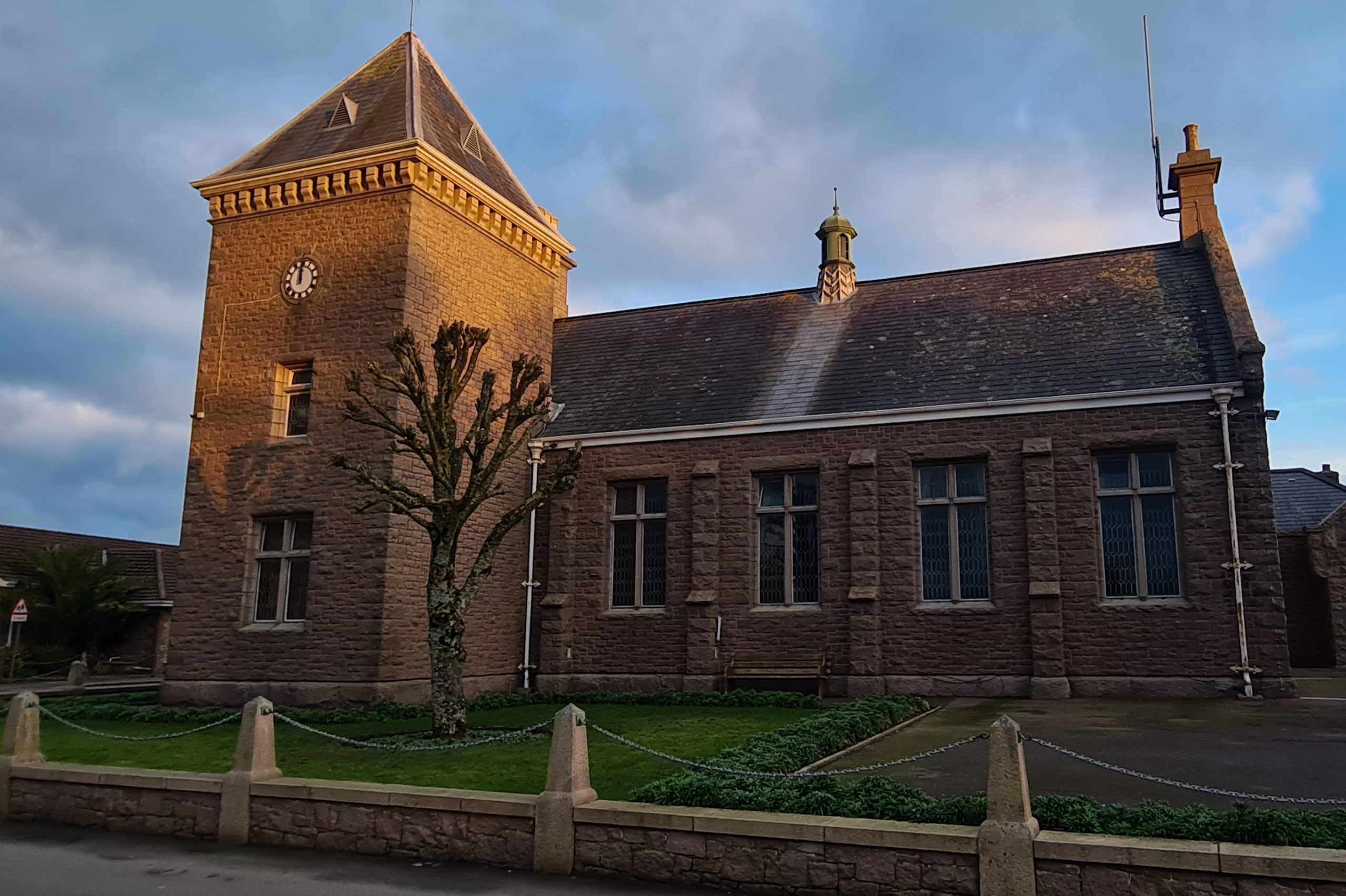
Pictured: Advocate Benest suggested giving training or handbooks to Procureurs.
Advocate Nina Benest, Mr Larose’s lawyer, suggested giving Procureurs formal training or a handbook about their role, as otherwise they are left “to navigate the course of their role with their own moral compass.”
She reminded the Court of her client’s 47 years of honorary service, describing him as “a straightforward man”, who “deals with things in an uncomplicated way.”
She said he had trusted the word of the Constable, having known him for many years and that he had been “satisfied and confident” that ultimately parishioners would not be out of pocket. Indeed, she added, he hadn’t signed the cheque for BCR until he had a guarantee from Constable Taylor that he would make up the shortfall.
Sir William indicated that the Procureurs could face “words of advice”, but made no mention of the Constable’s potential fate.
The Court decided to reserve its judgment, which will be given at a later date.
