


Plans have been put forward to build a dedicated bat roost next to the former Water’s Edge Hotel at Bouley Bay to mitigate the loss of a bat habitat as the site is redeveloped into a luxury home.
The former Water’s Edge Hotel, which had stood at Bouley Bay for decades, has been vacant for some time.
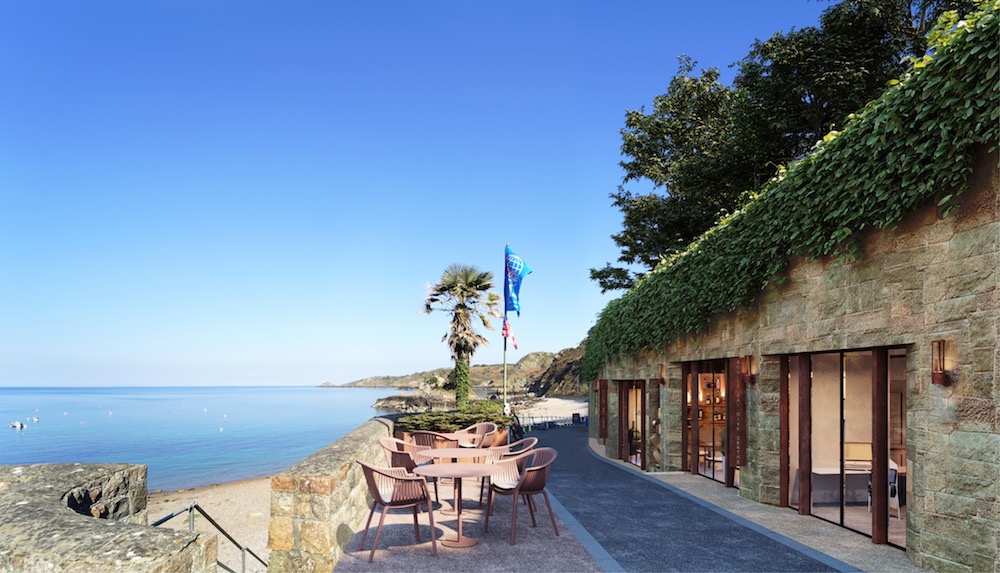
Planning permission for its demolition and the conversion into a ‘super-home’ with guest accommodation, a pool, tennis courts and extensive landscaped gardens was granted in 2023 after a long period of public and political debate.
The family behind the plans formally acquired the site for £6.4m months later, but additional ecological surveys were required before work could proceed.
The most recent bat surveys conducted in 2024 confirmed the presence of two common pipistrelles using the hotel for roosting, as well as grey long-eared bat activity within the roof voids.
These findings led to the requirement for a formal mitigation strategy under Jersey’s Wildlife Law, ensuring that bat populations are safeguarded throughout the development process.
Submitted by WE (Jersey) Ltd, the company behind the luxury home plans, the new planning application for a nearby bat roost applications outline measures to protect local bat populations, including common pipistrelles and the rarer grey long-eared bat, both of which have been recorded at the site.
The development follows ecological assessments that identified several bat roosts in the hotel’s structure, which is due to be demolished.
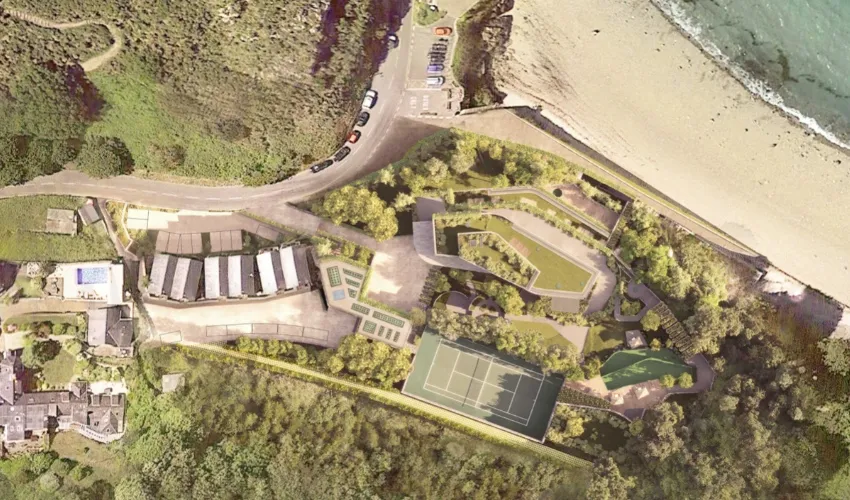
A Species Protection Plan included in the application, prepared by Nurture Ecology, confirms that a standalone bat loft will be constructed within adjacent woodland to compensate for the loss of existing roosts.
The structure, designed specifically to support long-eared bats, will include a pitched roof, internal roosting features, and controlled access to ensure a safe and suitable environment for the species.
A range of additional ecological mitigation measures has also been proposed, including the installation of bat boxes in nearby trees and the implementation of strict lighting controls to prevent disruption to nocturnal wildlife.
The project also includes measures to protect other wildlife, including slow worms, wall lizards, and various small mammal species.
A designated ‘wildlife receptor area’, including hedgehog and toad houses, will be created, and habitat enhancements such as native planting and the retention of key landscape features will be implemented to support biodiversity.
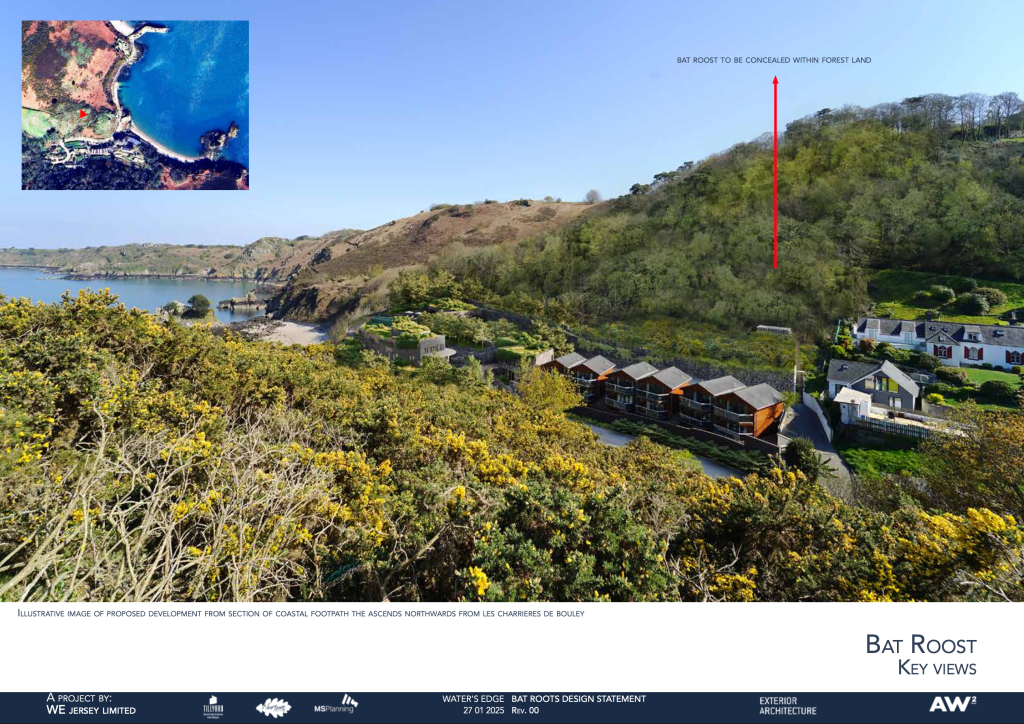
According to a design statement submitted as part of the planning application, the proposed bat roost structure will be built with environmentally sensitive materials to ensure minimal impact on the surrounding habitat.
The roost will feature a lightweight timber frame, supported by small hand-dug or screw pile foundations to avoid disrupting root systems in the forested area.
The roof will be finished with locally sourced natural slate, chosen for its durability and ability to blend with the coastal environment. The exterior cladding will be vertical timber in dark tones to resemble tree trunks, which the document says should reduce its visual impact and allow the structure to integrate seamlessly into the woodland setting.
Internally, specially designed bat boxes and squeeze points will be installed along the ridge beam to create ideal roosting conditions. These features include rough-sawn timber panels fixed at intervals to provide crevices for bats to rest and shelter. Two large multi-chamber woodstone bat boxes will also be placed inside to support hibernation and maternity colonies.
To preserve the forest ecosystem, the construction will rely on manual or small-scale equipment, preventing unnecessary disruption to vegetation and wildlife. The site will also incorporate water-permeable materials to ensure natural drainage and prevent surface runoff, aligning with sustainable building principles, the application said.
Should the plans be approved, an Ecological Clerk of Works (ECOW) will be appointed to oversee the mitigation efforts. They will be tasked with ensuring that the bat roost is properly installed and that all construction activities comply with environmental guidelines.
The application sits within the area of the Jersey National Park, which has strict environmental protections in place.
If the application is approved, construction of the roost will begin ahead of the hotel’s demolition to ensure a seamless transition for the affected bat species.
The proposals, which have been graded as ‘Minor’ by the Planning Department, remain under consideration.
