


“Treasury rules” could prevent £280,000 of fertility treatment funding from being ring-fenced for islanders struggling to conceive this year, according to an Assistant Health Minister.
Deputy Andy Howell, who has responsibility for women’s health matters, told Express that she has asked the Treasury Department if it is possible for the IVF underspend to be carried forward into 2026 – but added: “This may not, unfortunately, be possible because of Treasury rules which prevent this.”
The warning comes after it emerged last week that £280,000 of fertility treatment funding had been quietly redirected to “offset wider pressures” in the Health Department.

Deputy Lucy Stephenson, who has been open about her own fertility struggle and lodged the original proposition to improve IVF funding in Jersey, said she was “really disappointed” and “annoyed” to learn that almost half of last year’s £620,000 budget had been quietly reallocated.
“It simply isn’t fair,” she said, arguing that the underspend was not the result of a lack of demand, but instead a consequence of restrictive access criteria.
“Had this £280,000 underspend been due to low demand I’d have understood, but it isn’t – it is a direct consequence of the government rationing access to treatment,” she added.
Local fertility charity Tiny Seeds also backed Deputy Stephenson’s calls for the money to be ring-fenced for IVF treatment this year.
Tiny Seeds Founder and governor Chloe Fosse said: “Fertility treatment is healthcare. An underspend does not indicate a lack of need – it highlights the consequences of restrictive access and exclusionary criteria.”
She added: “We strongly urge the government to reconsider their decision. This funding should be ring-fenced and reinvested into fertility services to address unmet need, expand eligibility, and ensure a fairer and more inclusive system going forward.
“We are ready to work constructively with policymakers to achieve this – but we cannot support the reallocation of fertility funding away from those it was intended to help.”
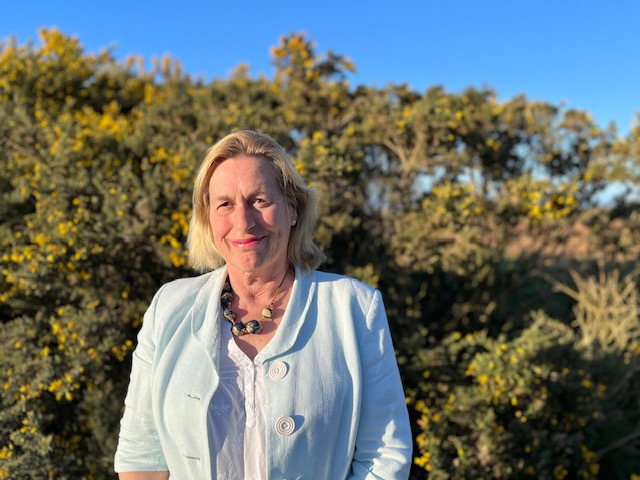
Deputy Howell defended the government’s approach, saying eligibility criteria had initially been set “in good faith” because demand was difficult to predict.
“Our priority is to help as many couples as possible access IVF treatment,” she said. “Initially, it was very difficult to guess what the demand would be, so, in good faith, criteria were determined.”
She said that once an underspend became apparent, the department widened access to the scheme.
“When we saw there was an underspend, we widened the criteria so more islanders could benefit,” she said – pointing to changes including aligning residency rules with existing policies, improving access for same-sex female couples, and extending eligibility to couples where one partner has children from previous relationships.
Deputy Howell said that final figures for fertility treatment uptake last year would be available soon.
“My commitment is to ensure funding is used to support as many couples as possible who need IVF treatment,” she added.
