


A former worker filed a claim to the Employment Tribunal in February against the States’ Employment Board, the official employer of all civil servants.
He also alleges sex discrimination against one individual and disability discrimination against three others, and the SEB itself.
All respondents deny the allegations and filed formal responses to the Tribunal.
The main hearing will take place on 6 September but, in order to prepare, the tribunal made an order compelling the five respondents to disclose to the former worker copies of relevant documents.
With the deadline passing on 15 June, the ex-employee complained that not all information had been provided.
An extension was granted but on the eve of that deadline, the legal representative of the respondents wrote to the Tribunal seeking another extension, of a week, to prepare some outstanding documents.
The representative, a lawyer with the Law Officers’ Department, also sought an adjournment of the 6 September hearing so it could be heard alongside another case brought by the ex-employee.
This, however, was rejected by the Chair of the Tribunal, Dr Elena Moran. She also wrote to all parties saying she was minded to refuse the application for an extension of time and strike out [render inadmissible] the respondents’ responses for breaches of the Tribunal orders.
Before doing so, however, she allowed the States’ side to explain its position. At that hearing, the legal represented accepted that the respondents accepted that their conduct had been “entirely unacceptable”.
The judgement states: “Ms Zambon [the legal representative] emphasised that this was a complicated discovery exercise with around 1,000 documents in the Joint Agreed Bundle and that disclosure has been complicated by two subject access requests made by the ex-employee and an ongoing police investigation.
“Ms Zambon said that there was no deliberate disregard for the Tribunal’s orders although she was unable to explain exactly what had gone wrong and why the documents were not disclosed earlier. She said that training will be given to her instructing department to ensure compliance with similar orders going forward.”
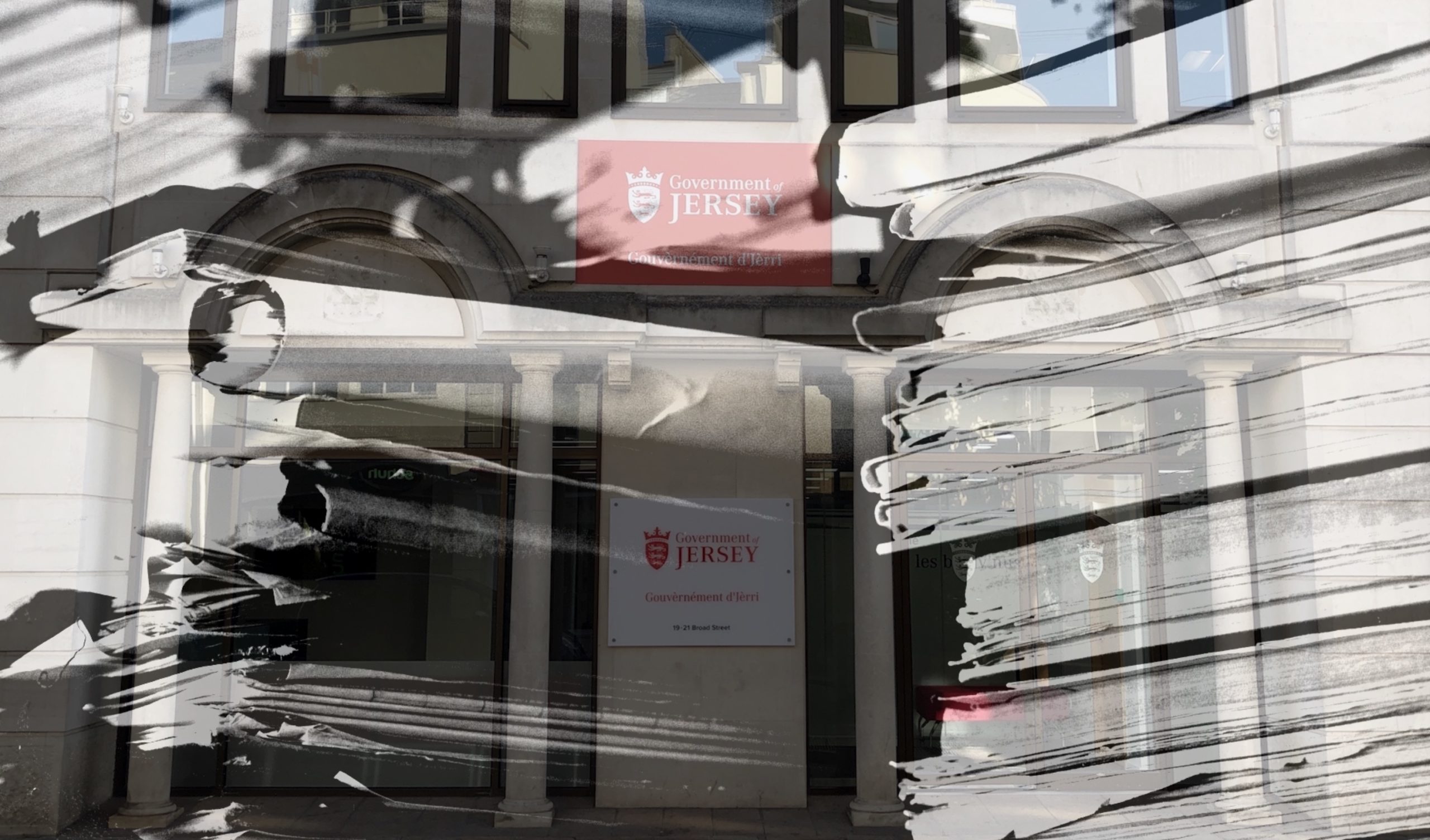
Pictured: No explanation was given on “exactly what had gone wrong and why the documents were not disclosed earlier”.
The ex-employee said he supported a strike out having consistently asked for sanctions to be applied to the respondents for their persistent breaches of Tribunal orders.
However, weighing up the evidence, Dr Moran concluded that striking out the documents would be a step too far.
She wrote: “Ms Zambon was unable to explain the reasons for the breaches albeit she emphasised the difficulties associated with the disclosure exercise and the need for additional training for her instructing department. She informed me that the breaches were not deliberate.
“She is an English Solicitor and I accept the veracity of her statement.
“Overall, I find the respondents approach to compliance with [the order] was woefully inadequate, but to strike out the responses in circumstances where the breaches were not deliberate, they have caused limited if any prejudice to [the claimant], and a fair trial is still possible would not, in my view, be a proportionate response.”
The required documents have now been disclosed and the full hearing will take place next month.
