


“Our posture is a very clever feature our bodies use, controlled automatically and unconsciously by our brain as a reaction to the force of gravity.
Its key roles are to helpfully maintain balance, create stability in our structure, reduce energy consumption and take physical stress off our anatomy.
Unfortunately, our conscious attempts to make corrections to our posture last a few seconds before our attention changes and our posture returns to its usual state – this, for most people, leads to back and neck pain, headaches, stiffness, restriction and fatigue…
1. Excessive caffeine consumption

Pictured: Too much coffee will increase your skeletal and postural muscle contraction.
The recommended safe dose of caffeine per day is the equivalent of two to four coffees (one single shot). We all metabolise caffeine differently depending on our genetics, lifestyle, weight and medical history.
Whilst there are many benefits to caffeine, including the positive impact on posture and nutrients, the downside is that excessive consumption heightens your body’s sympathetic nervous system, also known as the fight/flight system.
This, in turn, ramps up your body’s physical reactivity and increases your skeletal and postural muscle contraction in its fight against gravity.
Tip:

Pictured: Swap the coffee for green tea!
Go for a high-quality and nutrient-dense source of caffeine, whether coffee, black or green tea. Keep your intake low (one to two cups) and ideally earlier in the morning (before 11:00).
It can take up to 12 hours for your body to eliminate caffeine from your system. Studies have now shown that it can depreciate your cognitive performance and reduce your sleep quality (whether you notice it or not).
2. Sitting for too long
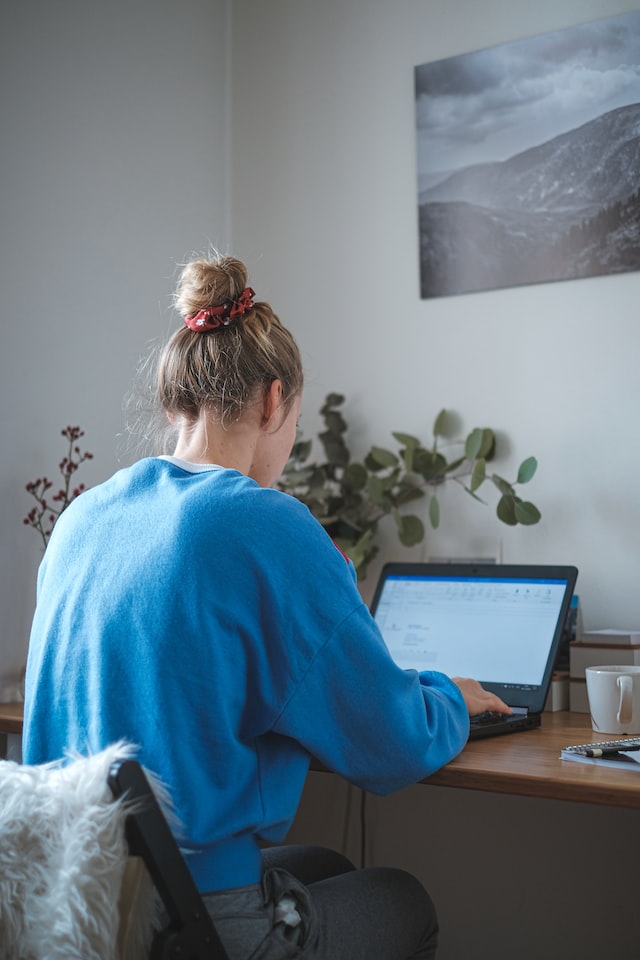
Pictured: Long periods of sedentary postures like sitting are not natural or good for us.
We all know that long periods of sedentary postures like sitting are not natural or good for us. However, the critical issue is that people are either showing up at their desks to work with:
- Rigidity, distortion or injury in their physical body, and/or
- Weakness in crucial core and postural muscles from a lack of movement and activity.
The average employee sits at a desk for the equivalent of three to six long-haul flights per week, which significantly increases the risk of anatomical degeneration.
Tip:
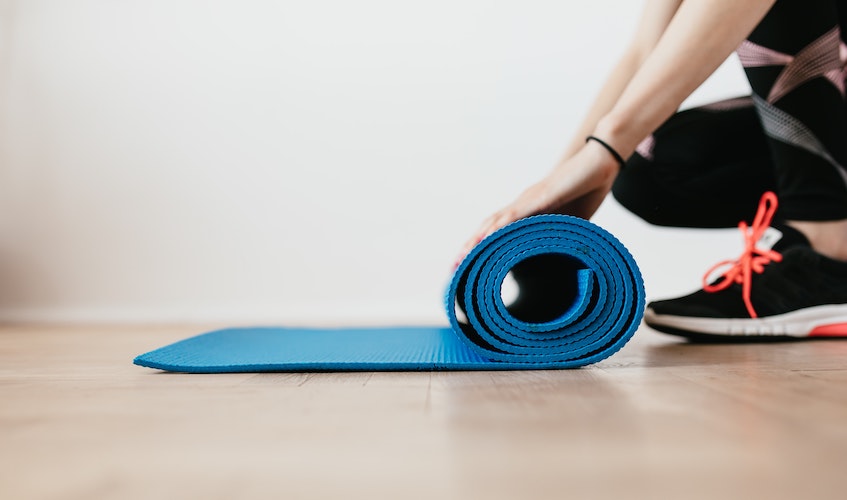
Pictured: Yoga can help improve your posture.
Look after your body. Combine higher intensity exercise with lower intensity restorative movement like yoga, pilates or foundation training).
Regular bodywork like chiropractic adjustments or care from similar professions (osteopathy, acupuncture, physiotherapy) will help your body heal from and adapt to the stress and strains of human life.
3. Stress

Pictured: Most people relate to a slumped posture when down, stiff shoulders, neck and or back when anxious or clenching our jaw when were frustrated and angry.
The reality is that no one taught us how to do life and juggle all that our personal and professional lives contain. From managing relationships and raising children to coping with work pressures, colleagues and careers.
The impact of how we feel in ourselves and our thoughts directly impacts our posture. Most people relate to a slumped posture when down, stiff shoulders, neck and or back when anxious or clenching our jaw when were frustrated and angry.
The most dangerous thing about this factor is its 24-hour-a-day nature. It’s not a caffeine spike or a transient ache. Our thoughts and feelings are constantly changing.
Tip:
Manage your stress by being aware and honest about how you feel on a regular basis.
Explore ways to create a sense of rest, calm and clarity, whether it be an activity, meditation, bodywork, or talking therapies. Or try managing your phone settings and times of utilisation in the morning, day, evening and weekend to allow no external stimulus and to allow yourself to immerse in nature, a book, a bath, your relationships or just yourself.
Become aware of how your mood and feelings impact the muscle tension in your face, jaw, spine and shoulders. Notice how that reduces as you focus on removing and managing sources of stress, worry and excessive stimulation in your life and environment.
What next?
In conclusion, you hold your own crystal ball of where your posture is heading. Whether creating long-term damage and change to your body or using it as a tool to support balance, stability, energy and preventing degeneration.
Reflect, observe and take action to put the structure in place around you to look after and enjoy the amazing body you have. Work is only one area of life, don’t let it ruin your body’s ability to let you have a lifetime’s worth of enjoyment out of the other areas of life.”
This article first featured on Bailiwick Wellbeing, your free weekly guide to wellness in work and island life. Sign up now here.

