
I never set out to be a ‘woman leader’. I set out to build a career, to learn, to contribute, and, ultimately, to lead well.
When I left school at 16 and walked into my first workplace, I couldn’t have predicted how much the world of work would evolve over the next four decades. Technology would reshape communication. Globalisation would intensify competition. Expectations around flexibility, development, and culture would transform entirely.
One thing has remained constant: the organisations that thrive are those that anticipate shifts before they are forced to respond.
That ability to see patterns and act early has defined my leadership throughout my career.
Becoming a manager at 21 quickly taught me that leadership is not about hierarchy. It is about clarity, trust, and consistency. Titles don’t drive performance; culture does. And culture is not static – it must evolve in line with those it serves.
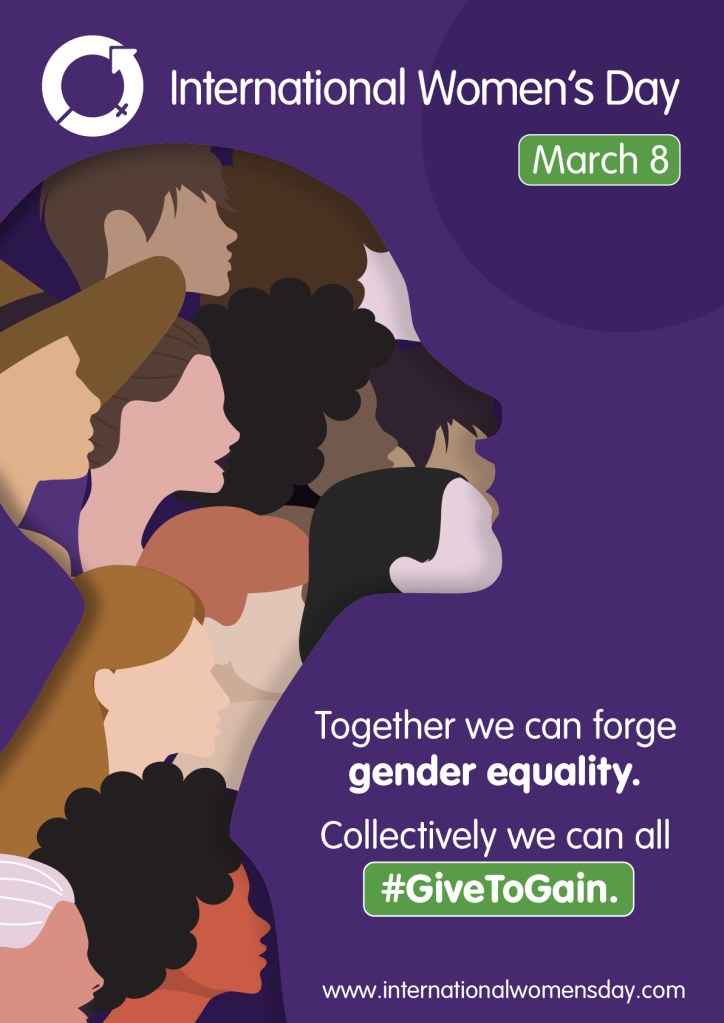
International Women’s Day is often framed around progress and representation, and rightly so. But for me, it is also about perspective. Leadership is strongest when it reflects the diversity of experience within society. Not because diversity is symbolic – but because it sharpens insight. Broader perspectives lead to better decisions. Better decisions create more resilient organisations.
Across industries, one pattern has become increasingly clear: people’s expectations of workplaces move faster than legislation.
Flexible working, once considered progressive, is now baseline. Younger professionals do not see flexibility as a perk – they view it as part of the modern workplace. Jurisdictions and organisations that hesitate risk more than dissatisfaction; they risk losing talent quietly and steadily.
Parental leave is another example. This is not simply a policy issue – it is about sustainability. In a world where most households rely on two incomes, return-to-work pathways and shared parental responsibility matter both commercially and socially. When maternity leave is unpaid, and partner leave remains limited, it disproportionately impacts women’s career continuity. But beyond that, it sends a wider signal about how modern family life is understood and supported. Modernising leave is about recognising how families and careers actually function today.
Since moving to Guernsey, I have seen enormous strengths. The island’s sense of community and close-knit business environment create genuine opportunity for meaningful, collaborative change.
At the same time, global trends do not pause for smaller jurisdictions. Finance, one of the island’s core industries, operates in an intensely competitive environment. When the skills pool is limited and inward migration is low, culture becomes a strategic differentiator.
Salary alone will not retain talent. Development, flexibility, and clear values will.
We are also seeing a generational shift that cannot be ignored. Younger professionals expect mobility, purpose, and continuous growth. They are less likely to remain in roles where skills stagnate. If we want them to build long-term careers here, we must create workplaces that evolve alongside them.
The traditional school-university-career ladder is no longer viable. Apprenticeships and traineeships need to be valued pathways, not secondary options. Businesses need to prioritise skills development for new generations entering the workplace to bridge the gap between school and work and offer a more rounded approach to working life, without needing degrees.
My own career did not follow a traditional academic route. I entered the workforce early and studied throughout my working life. Formal study, professional development, tutoring, coaching – learning has never been confined to a single stage. If we aren’t constantly learning and evolving, what’s the point? That belief in lifelong development informs how I lead today.
As leaders, we must ask ourselves: are we preparing the next generation for the world ahead – or simply replicating the structures we inherited?
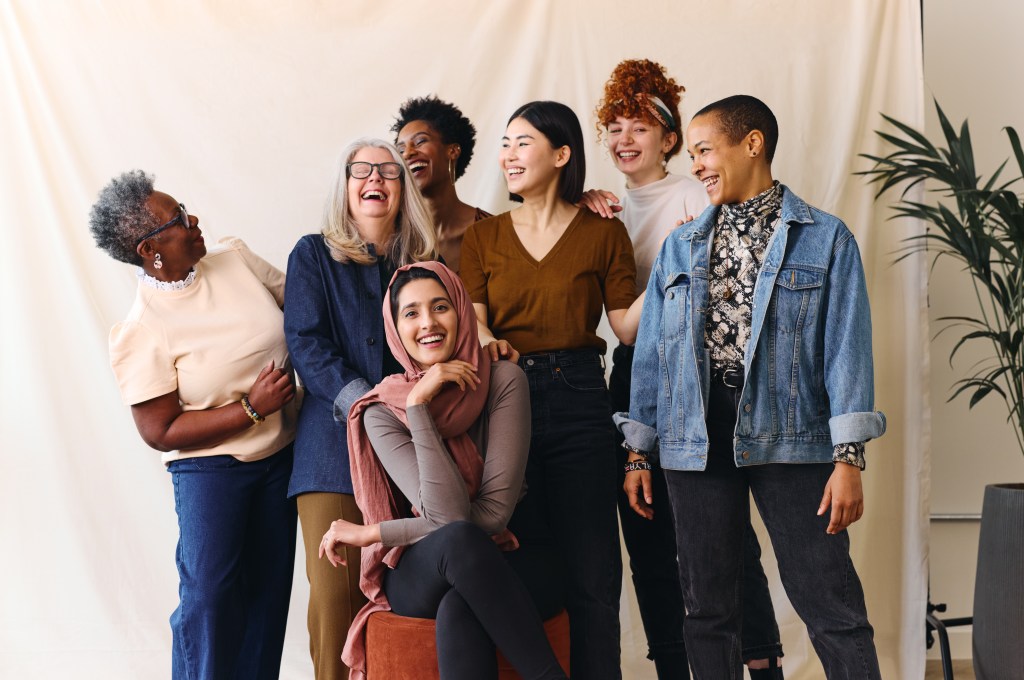
The young women entering the workforce today are ambitious, capable, and far less willing to accept outdated structures. They should not have to choose between progression and flexibility. They should not have to justify ambition. It is our collective responsibility to build systems that reflect that reality.
We are starting to move away from rule-heavy environments towards values-led cultures. In my own work, I have seen the shift from policy-driven frameworks to playbook-style approaches grounded in trust and accountability. This requires a different kind of leadership – one that treats employees as capable adults, not as risks to be managed.
International Women’s Day provides a moment to reflect on how leadership continues to evolve. For me, it is not about defining leadership through gender, but recognising that inclusive leadership produces stronger outcomes. When decision-making tables reflect a range of perspectives, blind spots are reduced, and foresight is strengthened.
The world of work I entered at 16 no longer exists. And in another 10 years, today’s workplace will look equally unfamiliar. The next decade will belong to leaders who anticipate rather than react.
Guernsey has an opportunity. With its connectivity, community spirit, and strong business networks, it can design a deliberate, competitive future-of-work model. That means modernising policies before talent pressure demands it, investing in apprenticeships and skills development before shortages deepen, and embedding culture as a strategy, not as an afterthought.
We cannot assume that what works today will work ten years from now.
If there is one lesson 40 years in the workplace has taught me, it is this: progress rarely announces itself loudly at first. It begins as a subtle shift in expectation, a quiet change in behaviour, a different question from a younger employee. The leaders who notice those signals early and act are the ones who shape what comes next.
Vision is not about gender. It is about perspective. And perspective is strengthened by experience, curiosity, and a commitment to continuous learning.
The real question is not whether change is coming.
It is whether we are prepared to move before it arrives.
Lorna Pestana
Law at Work