

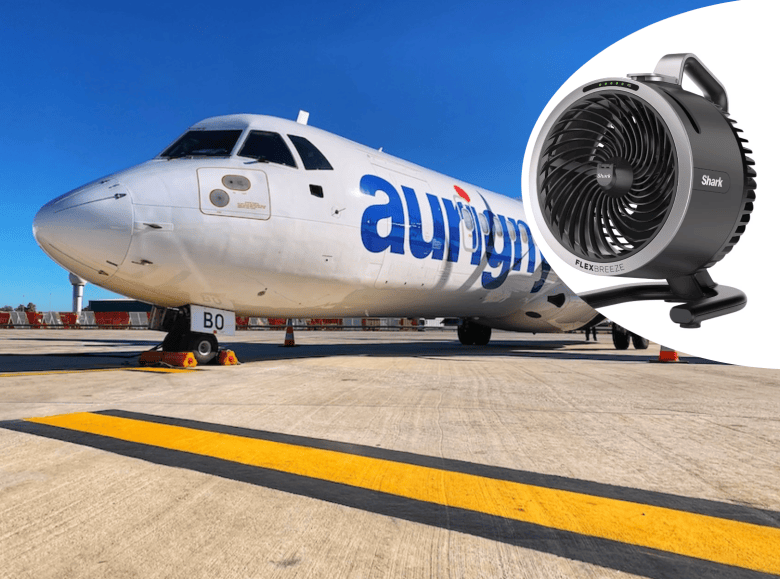
Aurigny has bought portable fans for use inside its cabins after complaints about soaring temperatures onboard.
The airline told Express it had received five formal complaints about temperatures while passengers were waiting for takeoff last week, with some left dripping in sweat and struggling to breathe.
Express understands at least one complaint has been made to the Health and Safety Executive, while the Director of Civil Aviation is also looking into the matter.
Deputy Jayne Ozanne is among those who have complained saying she has flown several times with Aurigny during the recent heat waves.
She said she was growing increasingly concerned about the “oven effect” on passengers waiting in “exceptionally high temperatures prior to takeoff”.
“Last Thursday the temperature on the tarmac (in London) was 34 degrees, meaning the temperature inside the plane was far hotter than that,” she said.
“Whilst attempts had been made to reduce temperatures by lowering the shutters, not all of which worked, I noted that an elderly passenger struggling in the heat who had requested water was told they could not have any in case the whole aircraft asked for some.
“Another elderly passenger was sat in a window seat where the blinds did not work. What worried me most was that the most vulnerable passengers had, as usual, been pre-boarded and so had had to endure the heat longer than others.
“This showed me that there were no mitigations or protocols that had been put in place to address the situation.”
She said “simple mitigations” could have been made, such as “giving a prior warning of the high temperatures onboard so people could be better prepared, the provision of free water to all and the availability of emergency handheld fans for those clearly struggling, particularly in the middle of the plane”.

Last Monday a flight was delayed for more than an hour leaving Gatwick after missing its take off slot. Passengers boarded the aircraft before being told of the delay. The temperature soared above 40c inside the plane after the doors were closed inline with safety protocols.
An elderly passenger was heard to be struggling to breathe, and a woman who asked a crew member for some water was told no because “if we give it to one, we have to give it to everyone”.
Aurigny has acknowledged the complaints, saying the limited number means passengers “understand the challenges we are working under”.
Aurigny also told Express that it has already changed its protocols to try and keep the temperature as low as possible prior to take off.
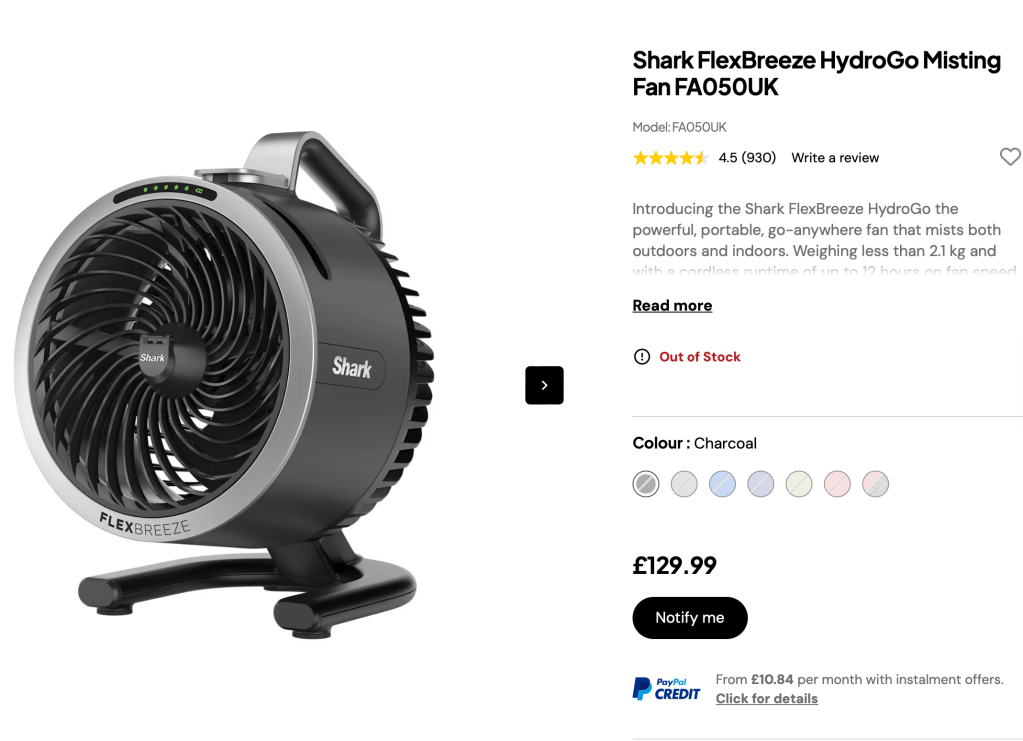
“We continually review our procedures and, in response to the recent exceptionally high temperatures, we now recommend that cabin crew use portable Shark fans — one at the front and one at the rear of the cabin — wherever practicable,” explained a spokesperson.
“While these cannot overcome the effects of an extreme heatwave, they do provide some additional airflow and comfort during boarding.”
Aurigny’s spokesperson said they recognise that sitting on an aircraft waiting to depart can be uncomfortable, but the ATRs were “well within their operating parameters in current weather conditions” and that the cabin temperature will drop by “at least 8c lower than the outside temperature” when the engines start for takeoff.
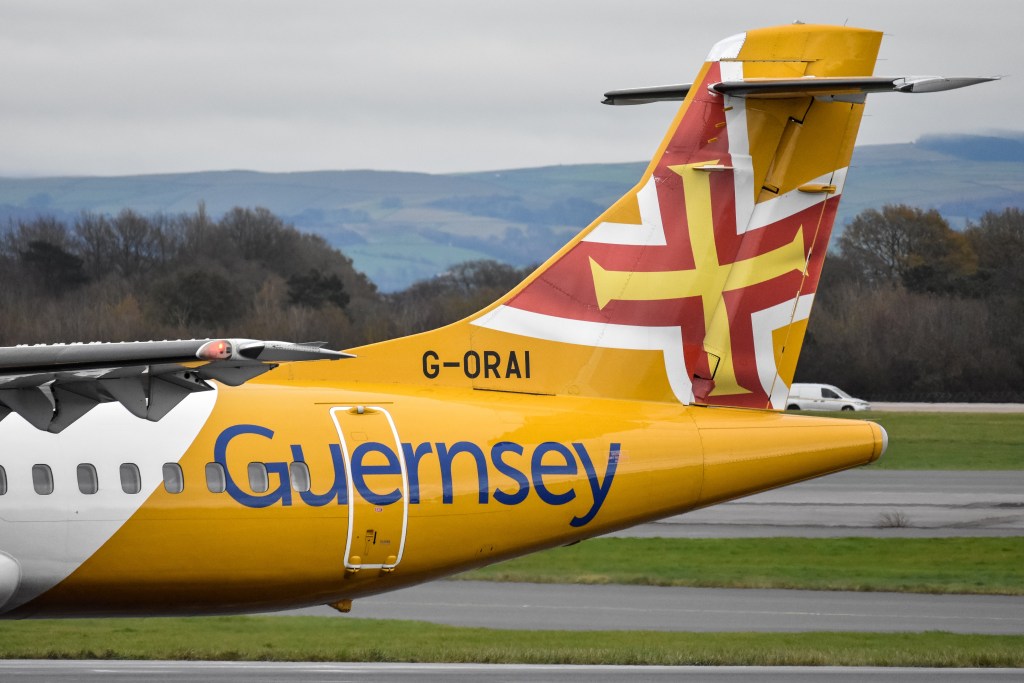
They explained that the air conditioning on an ATR aircraft can only operate once the engines are running, or when one engine is operating in ‘hotel mode’.
The use of hotel mode while on the ground is severely restricted due to safety, environmental, and operational considerations.
“We have long-standing instructions for our cabin crews to ensure that all overhead air vents are fully open during turnaround and that all window blinds are lowered to minimise heat build-up,” they said. “Once both engines are running, the air conditioning becomes fully operational, and the cabin temperature reduces significantly during flight.
“The Captain retains overall responsibility for the safety of the aircraft, both on the ground and in the air. Should any situation arise that presents a safety concern due to temperatures onboard, the Captain will take whatever action is necessary without hesitation.”
Deputy Ozanne said she and other passengers who experienced the high temperatures on board last week were left fearful that more needs to be done before it is too late.
“I should stress that my concerns lie with operational protocols that expect passengers to ‘just cope’ with what I believe is a high-risk situation. Instead, what we received was a rather sarcastic announcement by the captain giving us a ‘warm welcome onboard.’ My fear is that without urgent action there is likely to be a serious incident if the heat wave continues throughout the summer.”
