


Any compensation payment made to local victims of the Infected Blood Scandal will not impact any benefit payments they receive.
The States have confirmed that local victims – of which there are thought to be up to nine – are entitled to compensation payments through the UK or Scottish Governments.
A States Ordinance lodged last month confirms that any compensation payment received would not be taken into account in calculating the amount of income support to which a claimant is entitled under the Income Support Law.
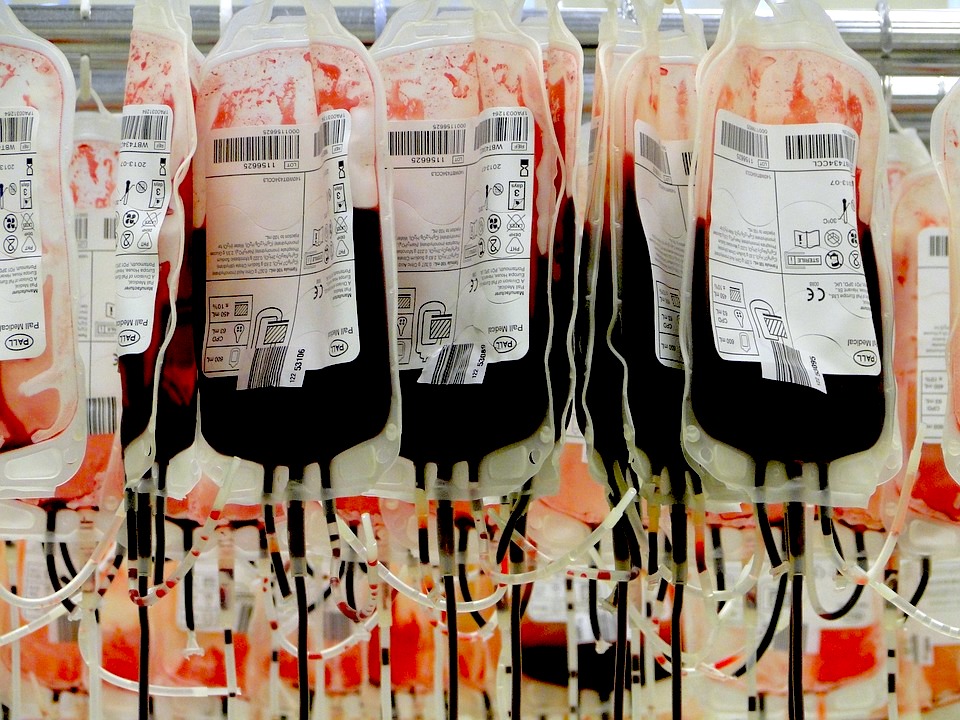
More than 30,000 people were infected with HIV and hepatitis C from 1970 to 1991 by contaminated blood products and transfusions.
Around 3,000 have since died.
HSC has previously said there are “about 5-10 people locally who are infected” and they are being supported by Public Health as they go through any treatment.
While compensation has not been paid locally directly through the States, around a year ago the UK Government announced a compensation scheme meaning victims could receive payments of more than £2m.
The States Ordinance amends the law so that any local recipient of the Infected Blood compensation scheme will not impact other benefit payments they may receive which could include job seekers allowances, disability payments, or a carer’s allowance.
The law change protects payments made in the past by the UK or Scottish government and payments that will be made by the UK Infected Blood Compensation Agreement in the future, where local recipients are eligible under the criteria set out by those UK operated schemes.

Up to four islanders died as a result of receiving infected blood in transfusions during the 1970s and 80s, HSC has previously confirmed.
Health and Social Care has also said that up to nine people are receiving, or have received support from Public Health in Guernsey because of their infection at the hands of the NHS.
At least one local resident submitted evidence to the Infected Blood Inquiry – which was set up to establish and examine the circumstances in which the men, women, and children treated by national Health Services in the United Kingdom were given the infected blood and infected blood products.
The patients were receiving care for haemophilia or other haematological disorders, or were recovering from childbirth, surgery, or other medical treatments at the time of their transfusions with the blood later found to have been contaminated with hepatitis or HIV.
The local patient recalled how they were treated through the Guernsey Health Authority via UK blood supplies and contracted HCV and HBV.
They only learnt about HCV when reading a news article in 1994 about the UK Haemophilia Society suing the UK government which prompted them to seek medical advice.
They spoke of the physical and mental impact of treatment as well as the stressful and difficult process of applying for financial assistance.
Deputy Lester Queripel has been among those campaigning for local victims to receive compensation for the physical and mental trauma suffered as a result.
