


A fisherman who retired and sold his boat after spending his life at sea has warned there are few signs of recovery for the struggling industry, unless younger fishermen target and market octopus, including exporting them.
Mick Guille hung up his waders late last year before waving goodbye to the ‘Hayley B’ earlier this year.
He said he felt forced into retiring because of the way the fishing industry has changed.
Mr Guille said other fishermen are struggling too.
“Without a doubt,” he reiterated.
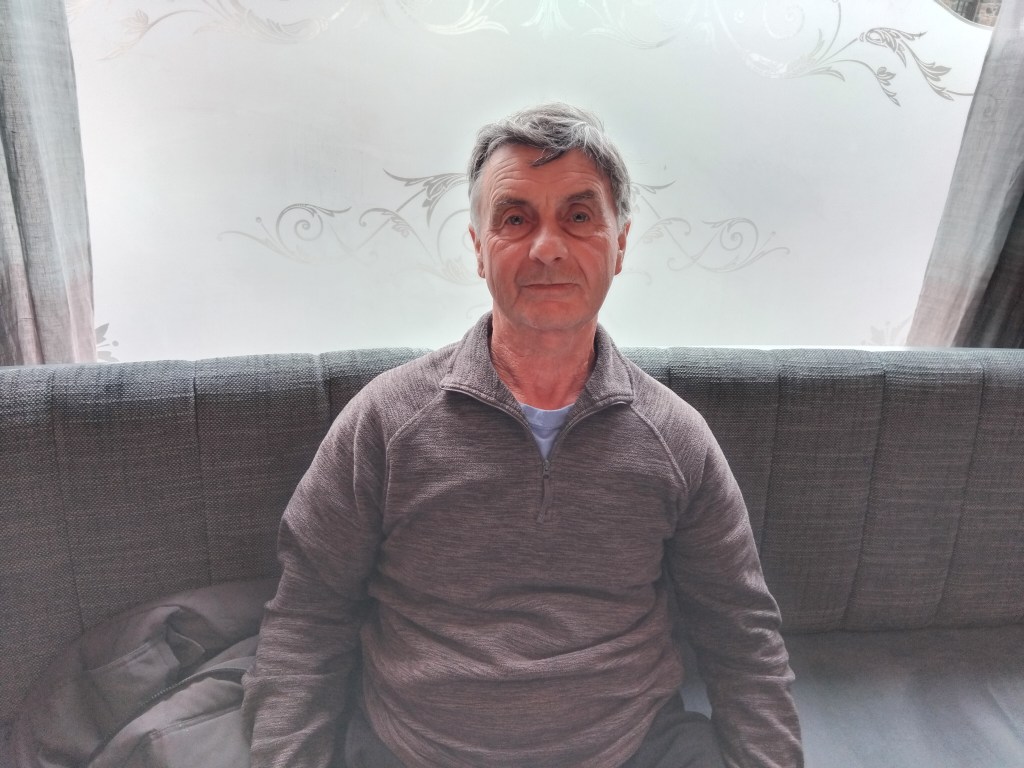
Mr Guille had started fishing recreationally while still at school, eventually making his living off the sea.
Despite passing the States-retirement age, he said he had wanted to carry on fishing because it has been his life, but the declining crab, lobster, and wet fish stocks over recent years meant it was no longer viable.
“(It’s changed) drastically,” he said.
“Crab stocks have dwindled. Lobsters, definitely in the deeper water have gone. We’ve had a lot of octopus problems, but we’re not touching the amount of octopus, in the way we work.”
Mr Guille said targeting octopus is one way that local fishermen could improve their fortunes, but that is expensive and hard work for little return at the moment as there’s not much market for them locally, and exporting them would need input from the States.
Worse still, is what the octopus are leaving in their wake, he said, including building nests where they are breeding, disturbing other marine life that we’re more used to seeing in local waters.
“The octopus were doing a lot of damage in the pots, there was a lot of empty shells, damaged fish, it was just not viable going to sea.
“It wasn’t the way we wanted it to end, but, yeah…..”
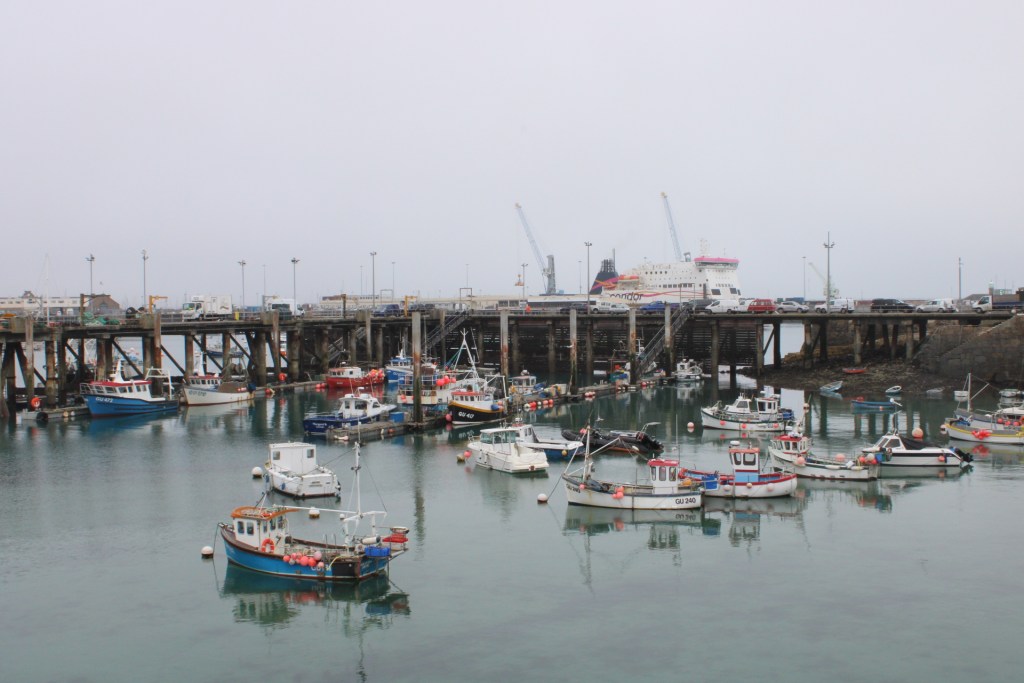
Mr Guille said while some other fishermen have also retired or left the industry to seek work elsewhere, he also knows of some who have reduced the size of their fleets down to just one boat to try and keep going.
He’s also worried for the future of fishing without new people going out to sea.
“That’s the biggest problem,” he warned.
“Had there been youngsters wanting to carry on and take on the boat, that would have been an option, but it wasn’t to be.”
“I was still doing what I was doing when I was a young lad, but I’m not a young lad anymore,” he added.
Having built the ‘Hayley B’ up from a bare hull with his own hands, Mr Guille said watching her sail away to a new life, after 40 years working in Guernsey’s waters was emotional.
He said other fishermen are also selling up, here and in England, as octopus continue to breed.
“Some are still trying to sell,” he said.
“The demand isn’t there. The whole of the south coast of England is the same. The way it’s looking now you’ve got octopus going up onto the Welsh coast and into the North Sea. Where’s it going to end?”
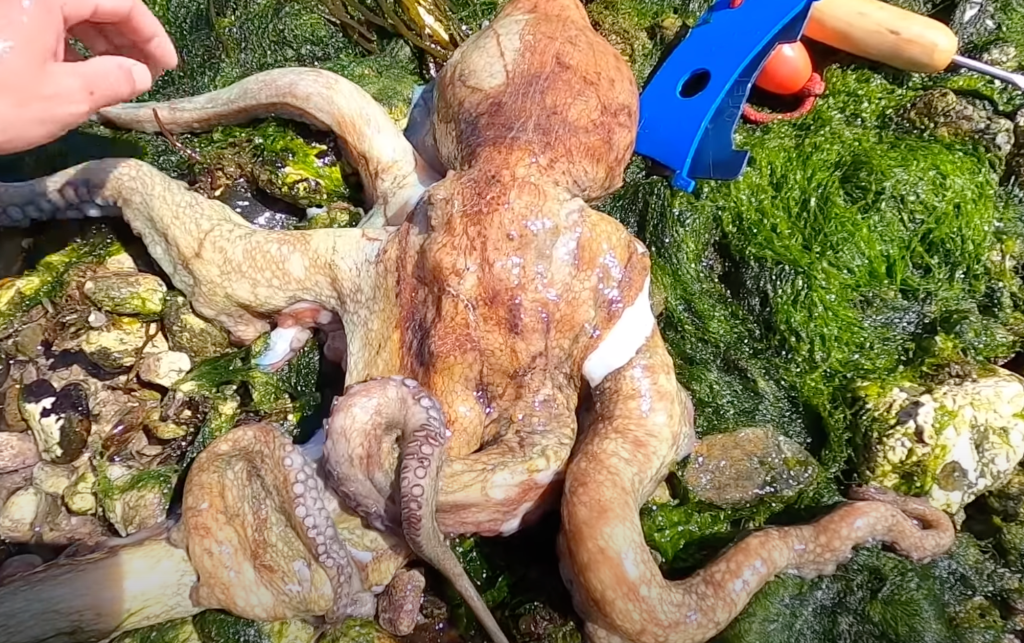
Having worked Guernsey’s waters since he was a young lad, Mr Guille said he remembers past octopus blooms, but said they weren’t as devastating as the current ongoing one.
“Nothing like this. I remember the octopus as a boy in that cold winter in the 60s, but not to this extent, but then again, you didn’t have the shellfish industry that you had now, there was no crabbing or anything in those years, so you don’t know what they would have been like out there.
“The industry has changed,” he said simply, but he doesn’t think it can recover in its current form.
“Not unless you divert and start fishing suddenly for octopus, but it’s difficult.”
Some fishmongers and local restaurants are buying the octopus catches, including Randalls which recently introduced the ‘octo-dog’ to its menus.
“They’re doing a marvelous job for it,” said Mr Guille. “No doubt about it.
“There’s no way that the local market could take all what the local boats could catch, but it could help.”
Antonio Alderuccio, Executive Chef for the Randall’s Group, came up with the ‘octo-dog’ with his team.

He told Express that it was a “creative and practical” response to the explosion of local octopus numbers.
Now it is for sale at their local eateries, Mr Alderuccio said they are pleased to be buying in large quantities of octopus.
“Since me and my team developed the octo dog, we’ve been able to process 500kg of octopus. According to some data I read, the octopus in Guernsey’s water was 4.5 tonnes already, so for us as a hospitality business, processing half a tonne is a lot, and we only use local Guernsey octopus.”
Mr Alderuccio said cooking with local produce is vitally important to him and his team at Randalls.
“For me, it’s essential, because basically, the reason why I came up with this idea is to have an impact on the environment. Hospitality, of course, is something which satisfies people at the pleasure moment, but at the same time, through that, we can have an impact on the environment and the life of the fishing industry, because it’s thanks to them we have stuff to cook for our customers, and then they enjoy the results when they’re eating out.

“When I noticed these issues, instead of having fish from far away, like lobster from Canada, you name it, I decided with my team to be focused on what we can source locally, and I think that’s the real way to have a tiny impact on the environment and help the fishermen.”
Mr Alderuccio said the octo dog is proving popular with customers and they are selling well, and a partnership with the Fishermen’s Mission means a donation is made to the charity with every one sold.
Hayley Hamlett, the Area Manager for the Fishermen’s Mission, tried an octo dog for the first time on her most recent visit to the Bailiwick.
She said more fishermen and their families are learning about the support the charity can offer and money raised through donations from local eateries like Randalls restaurants and the Pickled Pig, all help.

“(My work) is about just talking to them about how they’re coping with the industry and obviously you get talking to them and/or their wives or girlfriends, and find out what the main issue is.
“Very often it’s more complex when you dig down so it could be, ‘I can’t afford to pay my mortgage’, ‘I can’t afford to pay my rent’, ‘I can’t afford for my children to do any after school activities, or get them anything they need for school’, any of the above including ‘I can’t afford to feed us’.
“We would then have an initial chat and from that, I would then be able to identify where we can go for grants. So it could be a grant towards the cost of living, it could be a grant towards, health or dentistry, which are all very expensive. It could be more about their children, their children need a laptop and they can’t afford one, it could be that kind of thing. But it could also be an emergency.
“If their vessel is out of action, or they’re not burning the money (in fuel), which is the usual thing at the moment, then we would look at doing something fairly quickly on a short term basis. Or conversations I am having are with people saying ‘I need to get out of the trade’. If they’re young and they’re trying to get out of the trade because the money is just not there, then we would look at trying to get them some funding towards skilling up, changing their skills.”
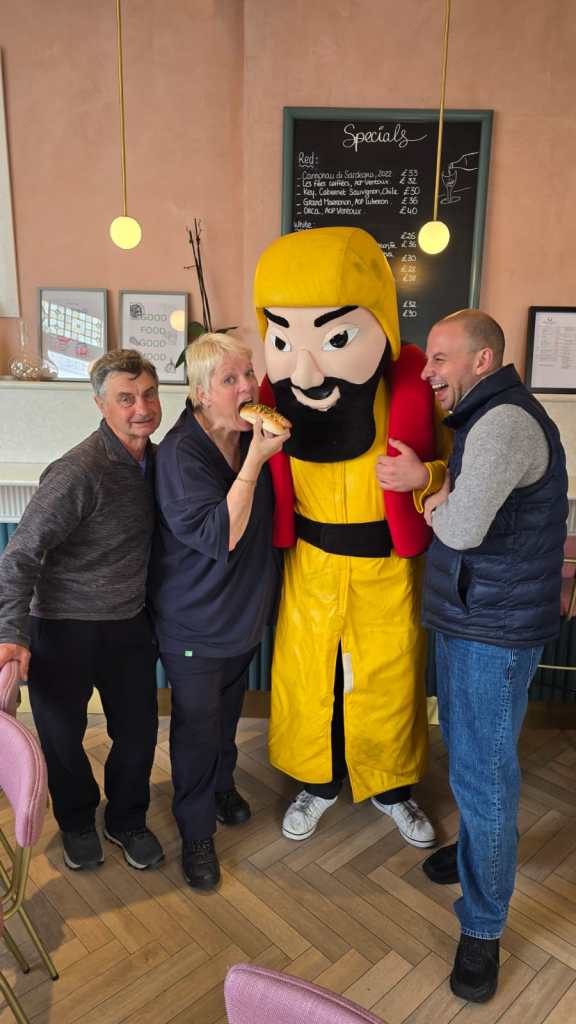
Ms Hamlett introduced Express to Mr Guille, and said he’s not the only one that she knows who has decided to sell up.
“The market is flooded by octopus. You go around the island, you’ll see it in various different dishes, but it’s no different (to last year) really. There are fewer boats than there were when I was here in September.”
The Fishermen’s Mission can help with emotional support as well as financial.
Mr Guille hopes more of his fellow fishermen take it if they need it.
“If they need help ask, there’s no harm in it,” he said.
