


School governance boards will no longer be open to education civil servants and their purpose has been legally defined in changes approved by the States Assembly.
Deputies green lit the next raft of legal changes to set up the local management of schools in the States yesterday, approving two changes to how they will function and setting out what their duties are.
These included setting out the purpose of the boards to show they must support the views of staff, students and parents, and hold senior leadership to account on standards, resources and performance.
The requirement for each board to have an education civil servant as a member has also been removed, in response to fears that the oversight of schools would be kept too close to central government.
Deputy Andy Cameron, presenting the changes, said he understood States members’ concerns that the boards “may be too education-office heavy” and the committee was acting to shore up the view that they will be “community led”.
Education President Deputy Paul Montague urged deputies to support the proposals warning that educationalists and governors already appointed to the boards want a “gradual and iterative” passing over of powers to manage schools.
He said the big decisions should be left to a special investigation committee, which will see members appointed to it next month, to draw up recommendations for how schools should be managed.
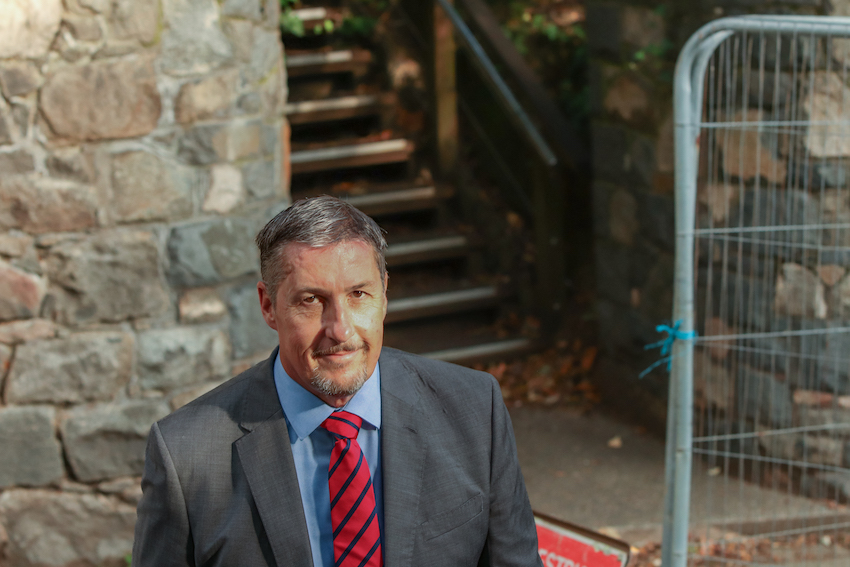
Deputy Montague labelled it the “sweet spot between central control and autonomy”.
He noted it would be challenging to decide what to devolve to the boards, saying giving them powers to pick different exam boards would make comparisons “very difficult”, and decisions such as banning mobile phones may be simpler from the centre.
Deputy Haley Camp, a consistent critic of Education’s plans, continued to vote against them saying the boards fell short of what was promised.
She said the boards would still be powerless and said progress had been made in clarity “but not in terms of substance”.
But 33 deputies backed the changes, with only Deputy Camp voting against.

Another amendment sought to limit the attendance of Education’s top civil servants at board meetings to once per year, or at the discretion of the governors.
Politicians on ESC could also instruct the Director of Education to attend meetings if there is “written cause for concern” over how the boards are operating.
Deputy Lindsay de Sausmarez, who brought it to the States, said altering the law would “remove a possible barrier to genuine independent governance boards”.
She said it would more equally balance the attendance of ESC politicians, limited to one meeting per year, by removing the ability for Education’s top civil servant to attend at will.
Deputy Montague and ESC did not oppose the amendment but warned it could be premature since governors had expressed how expertise shouldn’t be cut off too quickly.
Deputy Sasha Kazantseva-Miller questioned if all the changes went too far since only one out of nine members of the boards would be a civil servant.
She said this may prevent feedback reaching Education and its political leadership and could amount to “mistrusting the centre”.
But 28 deputies backed the change, while one voted against, six abstained and two weren’t present.
