

It said that a leaflet the company produced in August breached its guidelines, and told it not to make claims that their platelet-rich plasma and hyaluronic acid injections could treat arthritis, tendon problems, torn ligaments and muscles problems in the absence of adequate evidence.
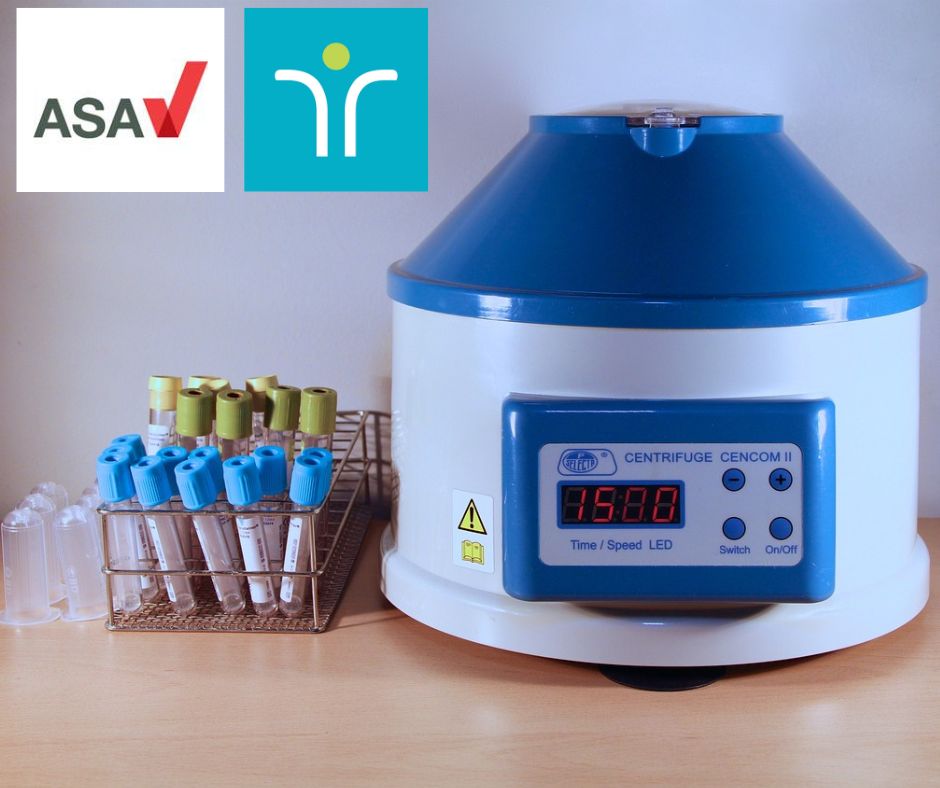
The treatment uses a patient’s blood to create a platelet-rich plasma; that solution is then injected.
The ad featured the claims: “A new and alternative solution to repair damaged tissue, ligaments and arthritic joints’ and ‘We can use PRP to treat: Osteoarthritis, tendon problems (such as tennis elbow and Achilles tendonitis), torn ligaments and muscles […] For arthritic joints, Hyaluronic Acid (HA) is added to the PRP, which is a natural joint lubricant.”
The Authority ruling stated: “We considered that consumers would understand those claims to mean that PRP and HA were a type of new and breakthrough treatment which could provide a permanent solution to those who suffered from osteoarthritis, tendon problems, and torn ligaments and muscles.
“We considered that impression was reinforced by the claim that PRP could ‘trigger cell reproduction and stimulate regeneration of damaged tissues’ and that its injection into damaged areas would ‘help with the healing process’. We therefore expected the advertiser to hold evidence, in the form of randomised clinical trials, to demonstrate that was the case.”

First Contact Health said that PRP and hyaluronic acid injections were a well-recognised treatment for arthritic joints, as well as tendon and muscle problems.
The products they used for the advertised treatment were CE-marked medical devices and provided that certification. They understood that claims by the manufacturer had been approved by the Medical and Healthcare products Regulatory Agency as part of the CE-mark certification process, something the ASA dismissed.
The company stated that they held robust documentary evidence for the claims in the ad, providing copies of studies, review papers and marketing materials from the manufacturer as well as additional comments.
But after reviewing the material, ASA upheld a complaint made by a doctor who believed that PRP and hyaluronic acid were not scientifically proven to treat osteoarthritis, tendon problems or torn ligaments and muscles.
“We had not been provided with evidence using PRP to treat damaged tissue, ligaments or muscles,” it said.
“The research we had received related to tendon problems and osteoarthritis, which was not adequate to substantiate the ad. We therefore concluded that the claims made in relation to those conditions had not been substantiated and were misleading.”
