

When boiled down to bare bones, art is a way of communicating. A message or a story, not only of the subject, but also the artist.
Art is most prolifically used when it comes with a story that invokes a deep personal response, and when the message it conveys resonates with viewers.
The latest exhibition at Art for Guernsey’s Mansell Street Gallery certainly hits those notes.
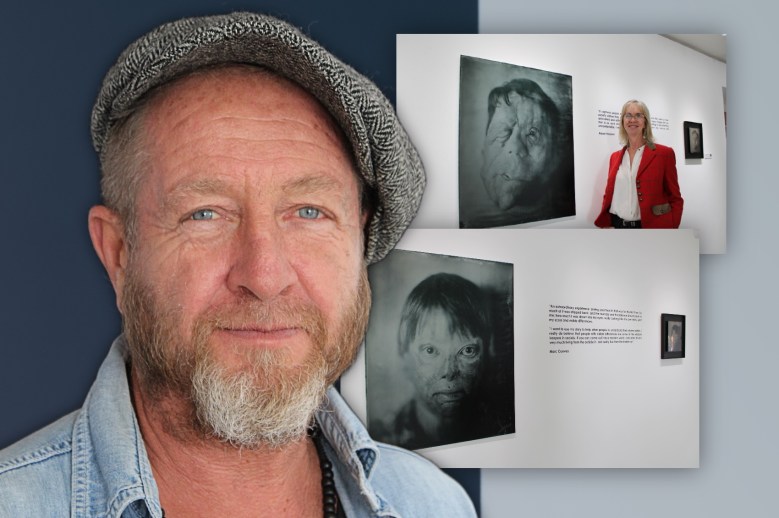
‘My Face is a Masterpiece’ by Paul Chambers was unveiled at a special private showcase last night.
The exhibition is now open to the public, with the project aiming to use art to promote face equality.
The concept states people should be treated fairly regardless of appearance, or to put it simply, the age old adage of ‘don’t judge a book by its cover’ comes to mind.
Speaking to Express, Mr Chambers said: “It’s about, for me, capturing the gaze of a community of people who have been marginalised all their lives with facial differences of various kinds.
“This project is about joining their story, to recalibrate everybody else’s understanding of their story, to allow somehow a better conversation to be had about facial difference, and to raise awareness and share those stories, the courageous stories of each sitter that’s been here.”
The Guernsey-based photographer has produced a special series of one-off wet-plate photographs of nearly 30 individuals with facial differences, which have been paired with video narratives from the sitters.
“Wet plate photography just seemed to me to be the perfect process to use, to capture the deepest parts of the struggle and the beauty of each sitter,” he said.
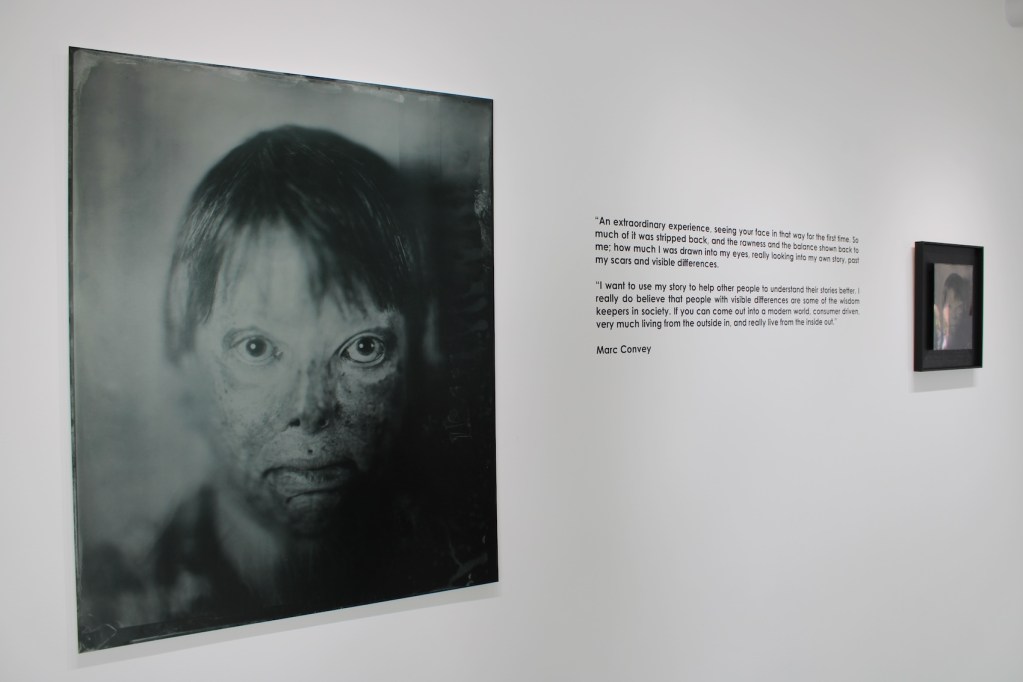
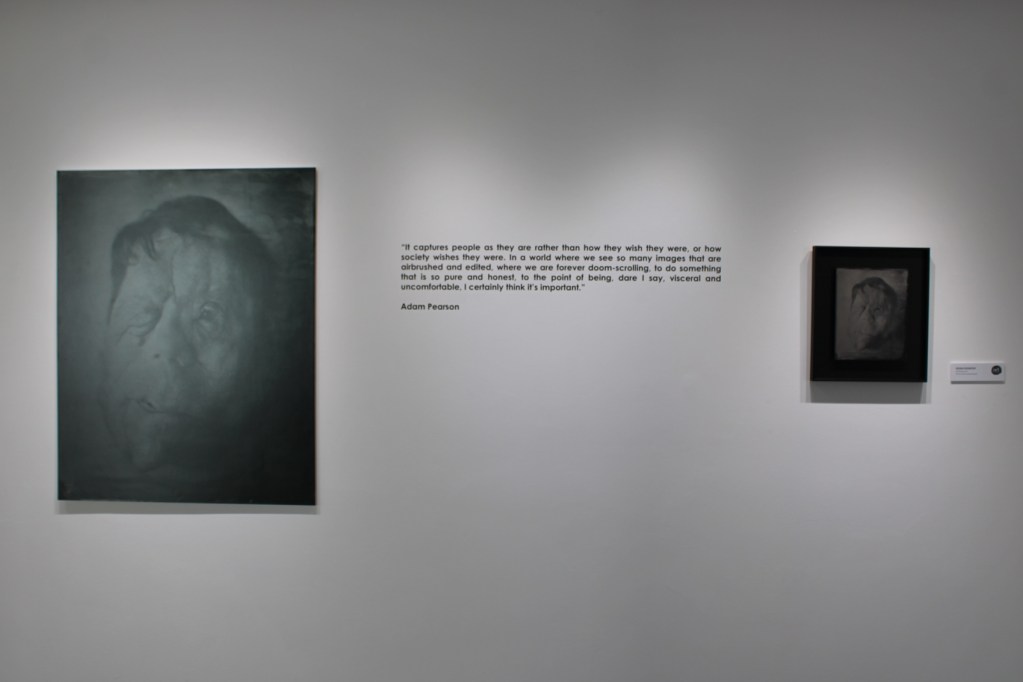
The path to produce the show is one that dates back 11 months, when the two charities involved, Art for Guernsey and Changing Faces Channel Islands, collaborated on a free workshop for face equality week 2025.
David Ummels, the Founder of Art for Guernsey said: “When they came and asked us to run a workshop last year in our premises, we felt that it aligned completely with our ethos to apply art for the greater good.
“We love art, but as I said many times, I don’t consider Art for Guernsey a visual or an art organisation. We are a charity applying art to create community value or education.”
“Changing Faces has this access to a number of UK famous heroes who are their members. Some of them have hundreds of thousands of followers, Changing Faces has representative offices in 40 countries in the world, and so why don’t we capture those sitters who feel very strongly that people look at them in fear or in discomfort, and more often than not, they don’t think that people look at them for the person that they are, but for how they look.
“Some of them suffered from significant prejudice, so we felt that surely that’s something that fits perfectly with us.”

The exhibition is intended to help tell stories, and use art to educate, but within the gallery’s walls there’s the first example of the wonderful impact meaningful art can have, and the ripple effect it causes.
The gallery is displaying around 100 responses from local school and college students who were invited to create portraits exploring facial diversity.
Not only does the exhibition showcase the direct impact locally, but there are also lofty ambitions to have it tour, and displayed further afield.
Mr Ummels said: “We have been in touch with the National Portrait Gallery, and after due consideration, they wrote us the most, loveliest email, saying that they’re not going to do it, because they have hundreds of opportunities, but they offered to buy one of the portraits off Paul and wished us well.
“We think it’s very encouraging, I’ve been digging through my network and there’s a few UK institutions, galleries and museums that we will approach on the back of this show.
“We want to realise a walk through video, where we’ll bundle and package all the assets, the narrative and I think we’ll have the perfect pitch to try to export a piece of creativity that has been conceived in Guernsey.”
The message the exhibition conveys encapsulates exactly what Changing Faces stands for according to the Chairman of the Channel Islands branch, Jill Clark.
“It’s what Changing Faces Channel Islands and face equality International, which is a global charity, is all about,” she told Express. “It’s all about promoting the fact that people who have facial differences deserve equality.
“They should not be discriminated against. They should be thriving and happy, and we need to encourage people not to judge people by their appearance.
“It’s all about the personality and being a kind person, and not what you look like.
“Paul’s done a fabulous job with these photographs. It is a collection of incredible faces, with every kind of condition that you can think of. From neurofibromatosis, to scars, to gunshot wounds, to vitiligo, and bone cancer, you name it.
“It’s all about equality, and this exhibition will enormously help.”
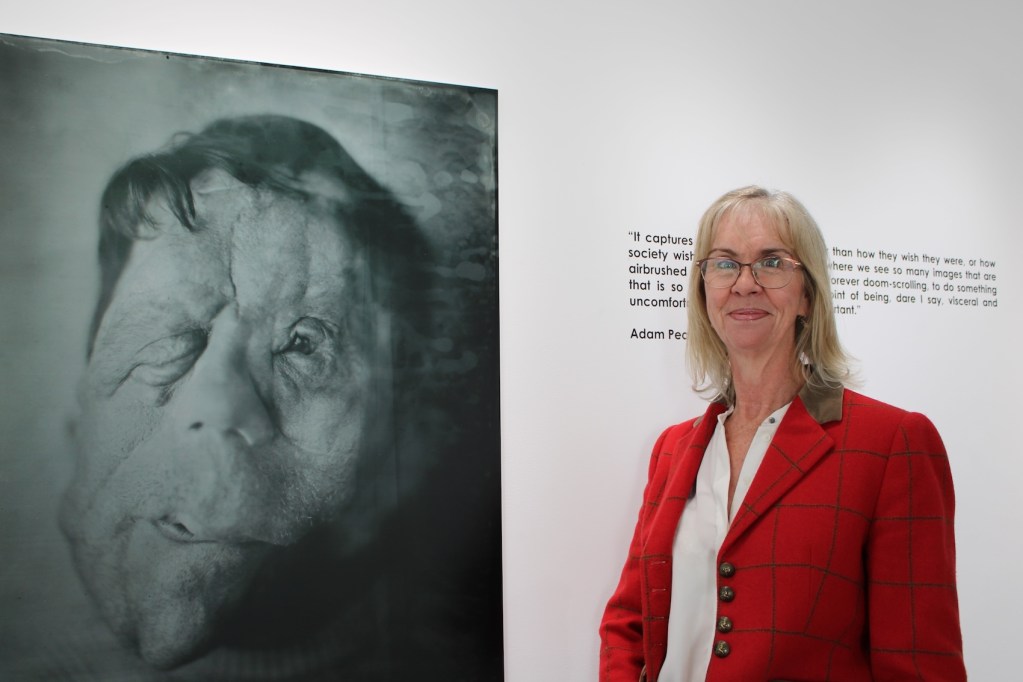
That chance to tell these stories isn’t lost on Mr Chambers.
Speaking to him about the project you can feel the intense respect he has for his craft, and for the responsibility he holds in retelling the tales of people often mistreated in society.
“It’s humbling because as a storyteller, and as an artist, for me it’s about finding the stories that matter, that change and reshape and to recalibrate the conversation.
“The wider this can go, not in the sense of any personal gain, but the stories of these people deserve to be heard on a wider scale, on a bigger landscape that’s broader and much more important.”
The messages portrayed by the portraits truly align with the roots and heart of both Art for Guernsey, and Changing Faces.
The latter was created by founder James Partridge OBE, a Guernseyman who became an icon when it comes to face equality.
“None of this would be possible without James Partridge, who founded the whole thing,” said Mr Chambers. “There were lovely moments from people who were getting on in age, who’ve been around for a long time, who knew James.
“I was lucky enough to get to know him ever so slightly just before he passed, but there was often times, and Jill and I talked about this, where we thought what would James do, and what would James think?”
The ideals that Mr Partridge sought, and the ethos he worked hard to push was something the helped keep Mr Chambers grounded as he worked towards the show.
Those thoughts of ‘what would James do’ presenting themselves with every subject he saw through his camera lens.
“As I photographed people, and they would reflect back,” Paul said, continuing, “I was wondering what James would think, and I think so a ripple effect from that, that his story and his legacy can live on through all these people and other people is really beautiful.”
That work and ethos has transferred itself into Mr Chamber’s work, and it’s clearly resonated with the charities he’s representing.
For those interested in giving the gallery a go, Ms Clark said: “Come and have a look, Come and see the array of different faces. Come and look at the photographs of people who have incredibly different faces, and just admire them because they’re all beautiful.
“Paul’s focused on people’s eyes, so you get to see right into the soul of the person, not necessarily the condition that they have.
“It’s an amazing collection of pictures, even if you pop in for five minutes, really well worth it is a truly educational experience.”
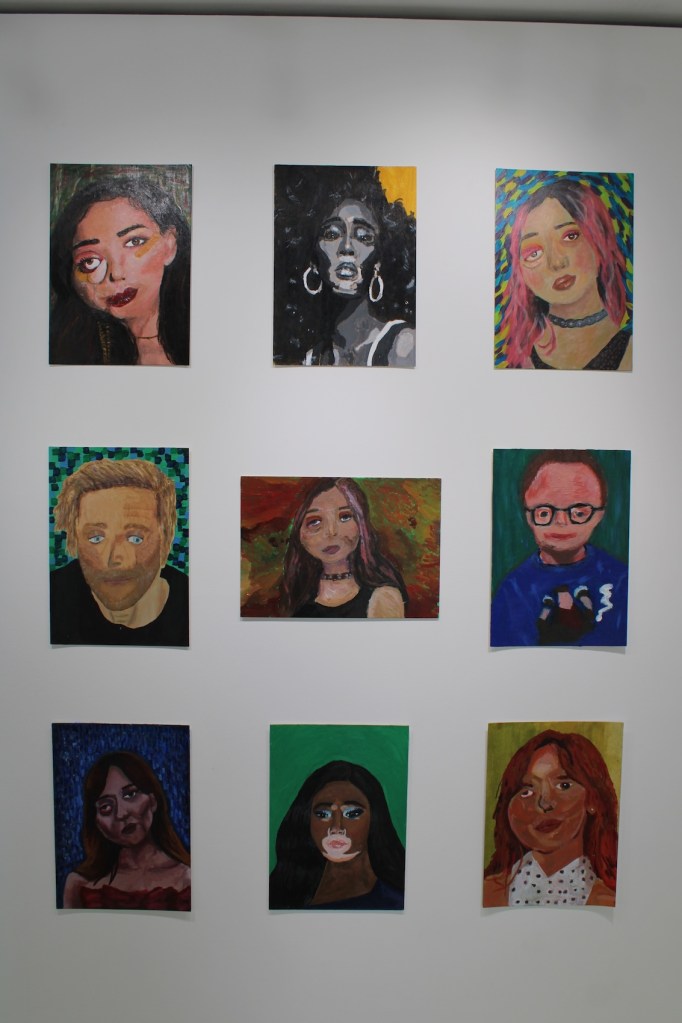
The exhibit is open to the public until Saturday 9 May at Art for Guernsey’s Mansell Street Gallery, at the top of Mill Street.
At the end of this month (30 April) the gallery will host Jono Lancaster, the author of ‘Not All Heroes Wear Capes’ as part of the Guernsey Literary Festival. Mr Lancaster was one of the people photographed as part of the exhibition.
