

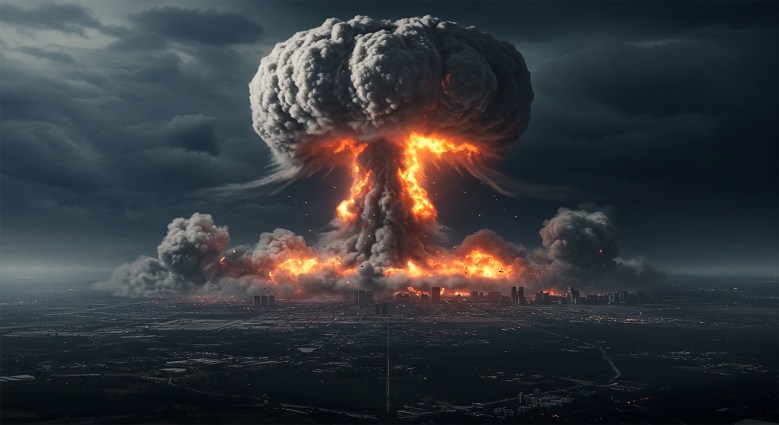
Terrorists attack a nuclear power station in France, spewing radioactive clouds over the Bailiwick.
An Asian tiger mosquito carrying a deadly tropical virus sneaks onto a ferry from St Malo, triggering an outbreak that kills thousands of islanders.
A mystery respiratory virus emerges overseas before sweeping across the globe.
No, they’re not the plots of Netflix’s latest blockbusters – but the kind of worst-case scenarios Guernsey’s civil servants and health professionals have been role playing.
At a time when many islanders are more concerned about their grocery bill than the threat of a future pandemic, it is fair to ask: what’s the point of spending time and money preparing for disasters that may never happen?
The answer, officials say, is simple. One of them did.
In November 2018, Guernsey held a major multi-agency pandemic exercise, bringing together States departments, healthcare providers and emergency planners to test how the island would respond to a serious infectious disease outbreak.
At the time, there was no indication that the world was on the verge of a real-world pandemic.
Little more than a year later, Covid-19 arrived.
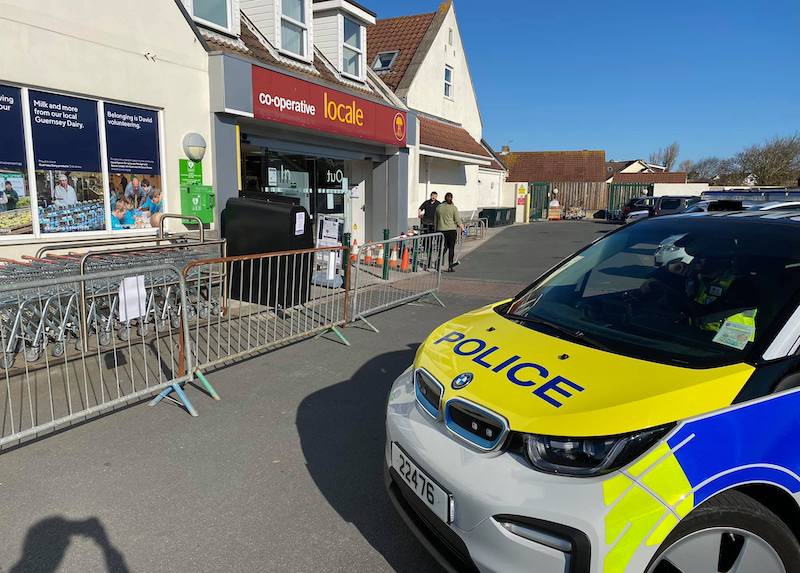
And according to those involved, the planning and lessons from that exercise helped give the island a head start when the real crisis began.
Asked whether that earlier planning helped Guernsey respond when the real thing happened, officials were unequivocal.
“Absolutely, yeah.”
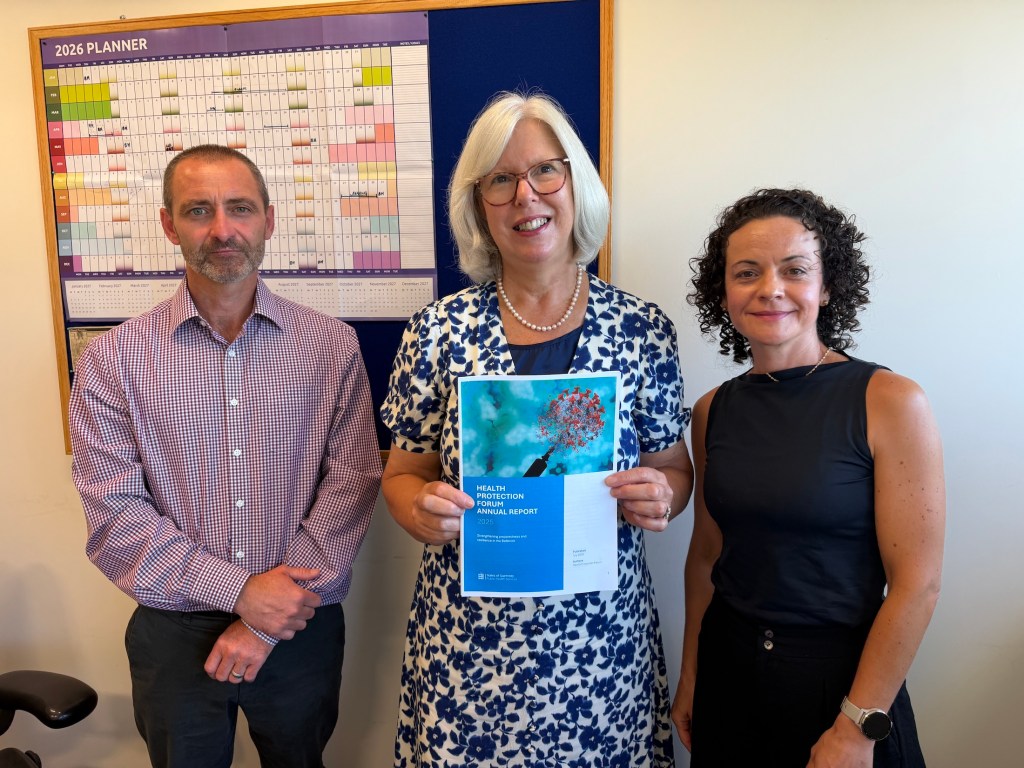
Health Protection Nurse Joana Rocha said the exercise prompted organisations to review plans, identify weaknesses and think through problems before they had to do so for real.
“That certainly provided the basis to start the response to Covid when it happened,” she said.
One of the biggest lessons was the importance of different agencies working together before a crisis begins.
Officials also identified communication as critical.
Dr Nicola Brink, Director of Public Health, said one of the key findings from the 2018 exercise was the importance of keeping people informed, something she said shaped Guernsey’s approach during lockdown and beyond.
“We really tried during the pandemic… to keep everyone informed of what was happening,” she said.
That lesson continues to shape the Bailiwick’s approach to public health.
This year, island officials took part in Exercise Pegasus, a UK-wide pandemic preparedness exercise involving the Crown Dependencies.
Planning for the improbable
Pandemics are not the only threat on officials’ radar.
A recent review examined the nuclear risks posed by facilities at La Hague and Flamanville in Normandy.
Dr Brink stressed the likelihood of an incident was “extremely low”, but said emergency plans still needed to be in place should the worst happen.
The conclusions were reassuring.
The risk remains extremely low and, even in a worst-case scenario, officials say the advice would be simple: get indoors.
Public health planners concluded that telling islanders to “seek shelter” would be a more proportionate response than stockpiling iodine tablets for an event that may not happen.
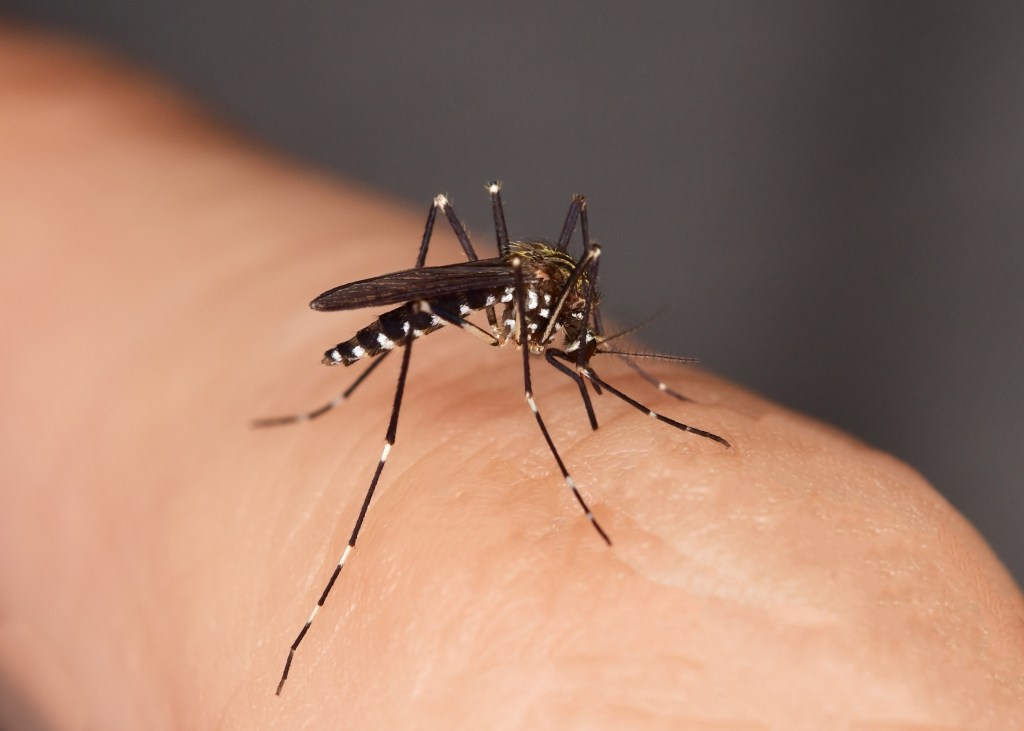
Officials are also monitoring for Asian tiger mosquitoes, an invasive species now established in parts of northern France that can carry diseases including dengue fever, chikungunya and Zika virus.
Traps are placed at Guernsey’s ports each summer, although none have been detected so far.
Quiet work, big consequences
Much of this work happens out of sight.
Dr Brink said public health teams were conscious of the “community fatigue” that followed Covid, and needed to ensure public health messaging remained relevant, timely and proportionate.
But while most of the scenarios considered by officials may never happen, Covid showed that some eventually do.
Back in 2018, a room full of officials spent time role-playing a pandemic that did not exist.
Just over a year later, it did.
For Guernsey’s public health teams, that remains the strongest argument for planning for the worst, even when nobody expects it to happen.
