


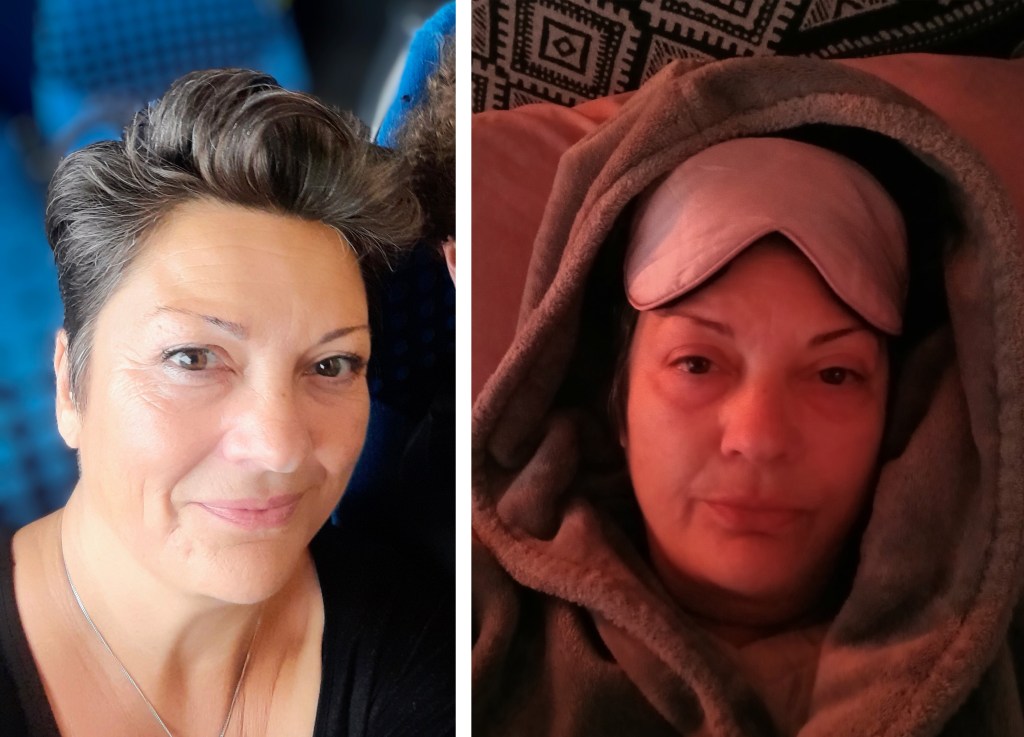
A woman with the chronic pain condition fibromyalgia has called for more support from the States of Guernsey on behalf of people with the condition.
Nicola Durkin (50) told Express she felt severely “let down” by the way she’d been treated, especially after working as a civil servant for more than 20 years.
Miss Durkin applied for early retirement due to ill health as well as severe disability benefit, when physical pain and ‘brain fog‘ left her unable to work – but she was turned down for both – leaving her with £250 a week incapacity benefit as her only income.
She told Express: “I feel like they’re just pushing me so far to try and get back to work, they’re going to kill me – I know I’m just a number.”
Miss Durkin said she was also bullied by several line managers after her symptoms started, with one calling her a “sloth”.
Peter Knee, from Customs and Immigration – one of the civil service departments Miss Durkin worked for – said it was “regrettable” that she was upset, but it was “disappointing” that she had “portrayed” her experiences “in this way and they don’t align with our recollection”.
A spokesperson for Home Affairs – which oversees several of the civil service departments Miss Durkin worked for – said Mr Knee’s response “echoed their position that staff concerns are taken seriously”.
However, they said they “deferred to officers working in Customs”.
Mark Gannon, Service Lead for Benefits and Work Support, said his team assessed claims “on an individual basis, taking full account of a person’s specific circumstances”.
‘I don’t go out at all’
Miss Durkin moved to Guernsey from Scotland more than 30 years ago, after falling in love with island life when she worked in a hotel one summer.
Before her symptoms worsened in 2022, she led an active social life, taking part in meat draws, sea swimming, gardening, going to festivals – and even starting a new relationship.
“I was happy, completely independent,” she added.
Since she became ill, she couldn’t even manage the 500m walk from her home to the beach at Port Soif to watch the sunset, she said.
“I don’t go out now, not at all,” she said, adding that she only had a “handful” of friends who still kept in touch.
‘Called me a sloth’
Miss Durkin spent 23 years working for the States, including 17 years in the prison service.
When she started displaying symptoms, she received insensitive comments – and in some cases bullying, she alleged – from some of her managers.
Miss Durkin said one manager, during her time with the prison service, said she “looked stupid as I was cold and wearing compression gloves” and mocked her for wearing headphones to block out noise.
The same manager also told Miss Durkin to “get more exercise – you’ll be fine”, she said, after she’d received her fibromyalgia diagnosis.
Miss Durkin said she submitted a grievance against the prison in 2024.
However, while a subsequent investigation “suggested recommendations”, it found there was “no case” for misconduct, she said.
“They completely broke me mentally and physically,” Miss Durkin recalled.

Another manager’s alleged discriminatory comments came in the form of ‘gifts’, while Miss Durkin worked for Customs and Immigration.
At Christmas, the manager gave staff a wooden keyring in the shape of a Jenga piece “with something nice written about them”.
However, instead of a positive message, Miss Durkin’s keyring read: “The only thing keeping me awake at work is my shivering from the open windows (and coffee).”
“She used to think it was funny that I’d be so cold and have my gloves on,” she added.
That Easter, she was given a plastic toy sloth in a coffee mug with the word ‘Sloffee’ on the front – a reference to a running joke about Miss Durkin being a “sloth, because I was tired”.
The other members of staff were given “cute chicks and bunnies”, so the gift “certainly made [my line manager’s] feelings clear”.
Miss Durkin said she recalled there had been “complaints to the union” from other members of the team about the manager, however as she subsequently left she was unaware of the outcome of them.
Ignoring recommendations
Both managers chose to ignore recommendations given by Occupational Health for reasonable adjustments, Miss Durkin claimed.
“These were not just line managers, but leaders within States of Guernsey,” she added.
However, things improved after she dropped down two pay grades to take on a new role as an Internal Auditor for the States.
She said her new team were “wonderful, very accommodating and made all the reasonable adjustments to help me”.
Unable to work
Despite the accommodations, Miss Durkin said she had to give up work last summer when her symptoms worsened to include ‘brain fog’ as well as the debilitating pain.
She told Express: “I looked at my [application for support], and I didn’t even recognise it [from the day before.]
“I just thought, ‘What am I doing? I can’t even do my job anymore.'”
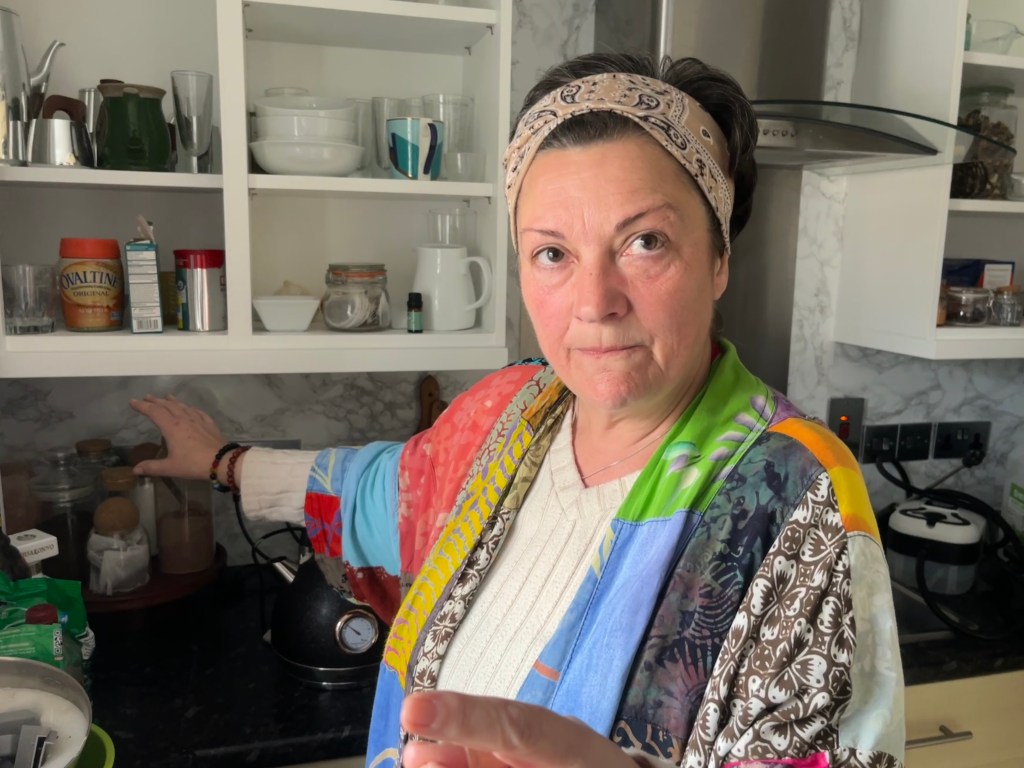
Although she spent decades in the civil service, she has found it “frustrating” to navigate the States’ bureaucracy.
Different departments repeatedly asked her “for the same information”, she said, which was draining for her as a disabled person, and even “got the numbers wrong” for her bank accounts, despite months of sending the correct details.
“Simplify the system – it is shocking,” she said. “It is driving people mentally ill.”
Treatments
As well as a diagnosis of fibromyalgia from her GP, Miss Durkin suffers from chronic migraines and has osteoarthritis, undergoing hip replacements in 2019 and 2023.
Both fibromyalgia and osteoarthritis have no known cures, with treatments designed to manage symptoms, including pain, and slow deterioration.
The Occupational Health Service wrote to the States’ Pensions Team last September telling them that “all reasonable treatment options need to have been exhausted” before a decision could be made on Miss Durkin being given retirement because of ill health “permanently”.
However, the letter acknowledged that Miss Durkin was currently “unfit to work, either in her own post or any alternative option”.
Had a good life
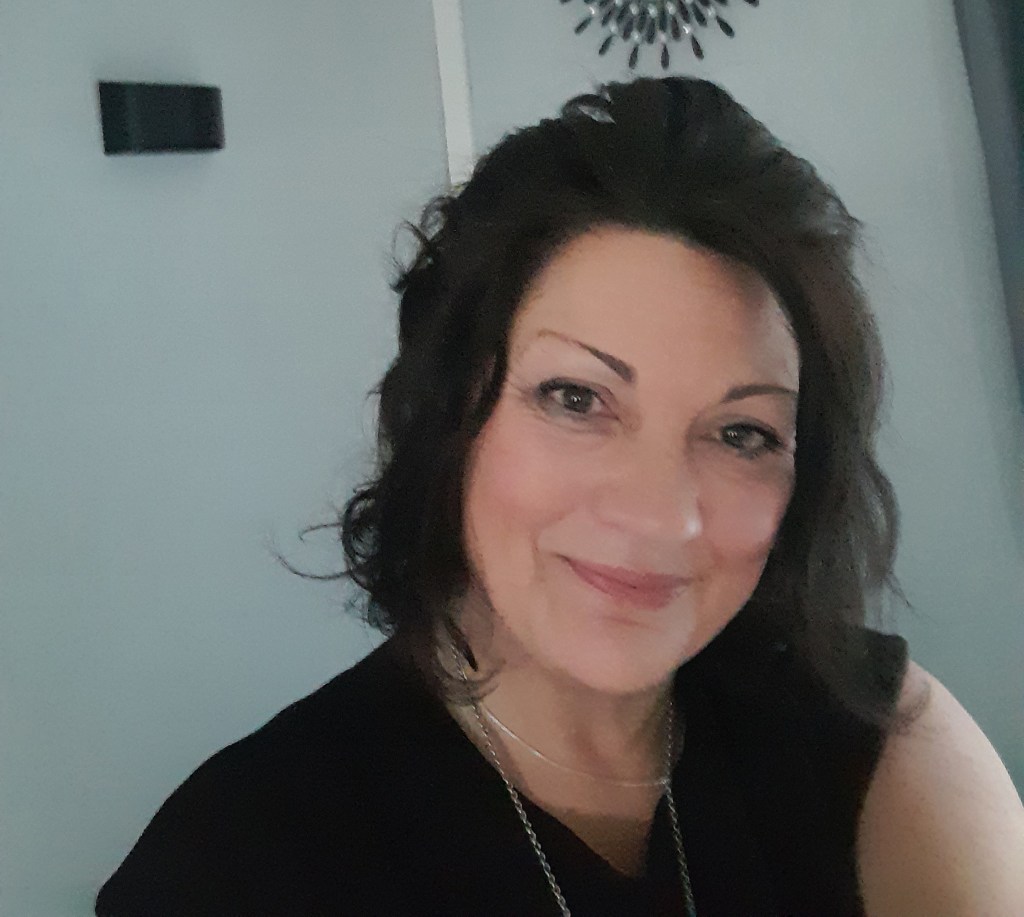
Prior to her illness, Miss Durkin said she had always worked and had not been on benefits.
She said: “Why would I be in my 40s doing really well in my career, still gaining qualifications and being promoted?
“Why would I give that up, when I had a good life?”
‘I feel let down’
Now, Miss Durkin is having to give up the two-bedroom house she shares with her 18-year-old son, as she’s no longer able to afford the £1,770 rent – not to mention her household and medical bills.
Miss Durkin said she’d let Income Support know about her financial problems, but had been told “that if I do get any payment, it will not be enough to cover my rent”.
She said she had no choice but to leave the island, and planned to move to northern Scotland to live with her sister – sleeping on her sofa.
She felt Guernsey had “failed” her, adding: “I hate it now, I just feel let down.”

However, Miss Durkin said she planned to focus on the positives.
“In Scotland, I’ll be able to go out and see the fresh air and countryside again.
“I’ll have my sister and my nieces on hand – and I’ll be able to look after myself.”
She was “generally not a depressive person,” she said, adding: “I need to look at this as an opportunity, as a fresh start.”
‘Doesn’t align with our recollection’
Mr Knee is Deputy Chief Officer for Customs and Immigration, the department Miss Durkin was working for when she was given the sloth toy and wooden keyring – however he was not her line manager.

He said: “It is always regrettable when a member of staff is upset by experiences they have at work, however I find it disappointing that these events have been portrayed in this way and they don’t align with our recollection.
“As an organisation, we strive to create an inclusive, friendly environment for all, and would have and will always ensure we accommodate people with specific requirements to the best of our abilities.
“When they do arise, however, we also take staff concerns seriously, and I’d encourage anyone with concerns about management to speak to their line manager or contact HR.”
Incurable
Des Quinn, from charity Fibromyalgia Action UK, said fibromyalgia was currently incurable.
As well as pain “all around the body” lasting at least three months, symptoms included fatigue and “non-refreshing sleep” – where people wake up tired even after a full night’s sleep.
Another common symptom, affecting about 50% to 80% of people, was brain fog – also known as “fibro fog” – where people mix up words and make absent-minded mistakes.
“You end up putting the coffee granules in the fridge, that sort of thing,” he added.
No idea what works
While there was no known cure for fibromyalgia, Mr Quinn – who has the condition himself – said some people could “get a better quality of life” with the right treatment.
“[Some people] can get to a point where they are managing the symptoms either with or without medication.”
However, he stressed there was a lot of “variability” between patients.
When doctors gave treatment they had “no idea whether it’s going to work, what benefit would be, or whether there’d be any sort of side effects”.

Sophie – not her real name – told Express she’d never heard of fibromyalgia when she was diagnosed ten years ago in her 30s.
Like Miss Durkin, she’d been labelled “lazy” at work and called for “better understanding” of the condition.
“Don’t call somebody with fibromyalgia lazy, unless you understand their body, that is one of my biggest gripes,” she added.
However, she’s since moved to a new part-time admin role, with a supportive boss who allows her to work from home on bad days.
“He’s been wonderful; he even researched the condition and said, ‘Now I understand’.”
Air quotes
Sophie had also had negative experiences with several male doctors, with one telling her painkillers would not help her.
Another “actually used the air quote finger thing“, she said.
“He said to me, ‘Oh, I see you’ve got fibro’,” she explained, adding: “I was just like, ‘Wow!'”
While she’d seen some “supportive and understanding” female doctors since, Sophie said she didn’t feel like she had “ever got any [specialist] support”, despite proactively seeking it.
“I’m not aware of a specialist on the island that deals with fibro, per se.”
Wants to work
Sophie said she wanted to remain in work, but was unable to access financial support while doing so part time.
She said she approached Social Security about getting help with her rent, but was told: “Why don’t you give up work and we’ll be able to help you more?”
“That’s not the point – I want to work,” she added.
However the “boom and bust effect” of fibromyalgia meant she could only manage part-time hours.
Housing problems
Sophie said she had also been told she and her partner would need to move into a one-bedroom property next year from their current two-bed.
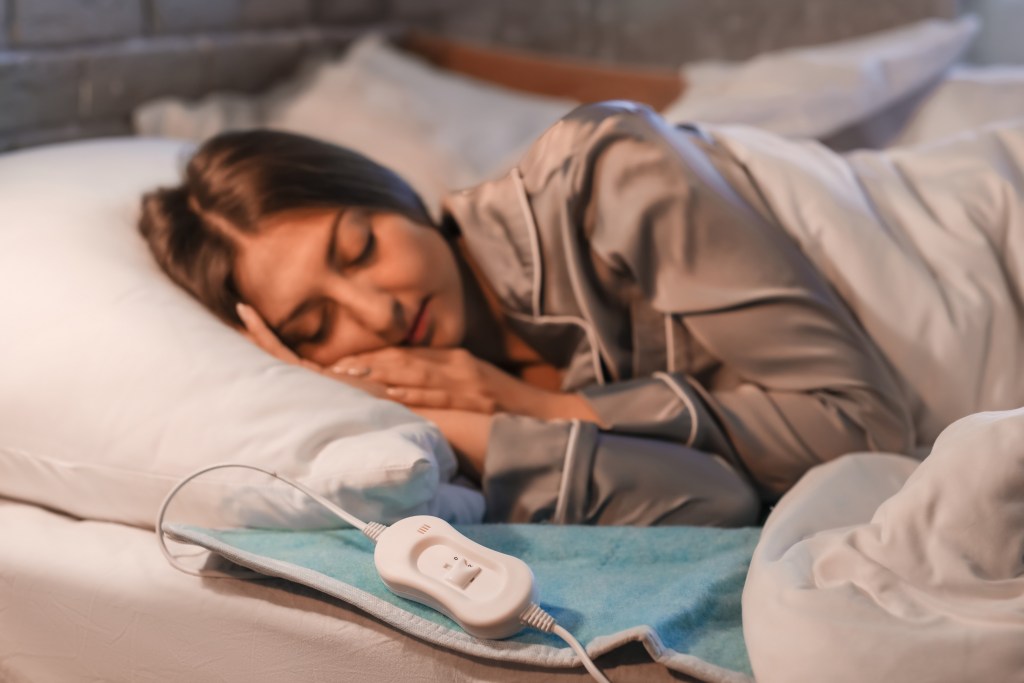
“Heat helps a lot” with fibromyalgia, she said, so she had “electric blankets, heat pads and hot water bottles” in her bed.
She explained: “My partner works full time, so it’s not constructive for me to be up and down in the middle of the night, tossing and turning all the time.”
Sophie’s GP wrote to Employment and Social Security saying she needed a two-bedroom property on “medical grounds”.
However, the medical officer that advises ESS said her request would “not be upheld”.
“People with fibromyalgia don’t sleep – we need that second bedroom,” she added.
Three-month time limit
An ESS spokesperson said the States doesn’t keep a list of conditions it classes as disabilities.
Instead, it classes anyone who has a “long-term impairment”, lasting six months or longer and impacting their “bodily or mental functions”, as disabled.
However, there was a “strict time limit of three months” to bring discrimination complaints, the spokesperson said.
Significant impact
The ESS spokesperson said: “Chronic or fluctuating conditions such as fibromyalgia can have a significant impact on a person’s daily life.”
They said there were three main benefits available to disabled people, Severe Disability Benefit (SDB), Sickness or Incapacity Benefits, and Income Support.
- SDB was assessed on an “individual basis”, but was only available to people who needed “substantial care or supervision”, such as help with bodily functions or supervision to avoid them getting hurt.
- Sickness and Incapacity Benefits were available to eligible people under the pension age if they couldn’t work because of poor health, ESS said.
- Income Support was available to people experiencing “financial difficulties” and was “based on personal circumstances”, including household income and savings.
Mr Gannon said he encouraged anyone needing help “to contact us so we can discuss their situation in more detail and explore what support may be available”.
‘Holistic care’
Katie Bassett, Lead for Guernsey’s Pain Management, said her team was “committed to supporting islanders living with fibromyalgia through a compassionate, evidence‑based and person‑centred approach”.
“Persistent pain can be complex and overwhelming, and we are here to support you with understanding, dignity and hope,” she added.

While there wasn’t a fibromyalgia specialist on the island, Ms Bassett said her “multidisciplinary” team provided “thoughtful, holistic care that reflects the biopsychosocial nature of long‑term pain”.
The Pain Management team included a “consultant in pain medicine, specialist nurses, an extended‑scope physiotherapist, a clinical psychologist and a cognitive behavioural therapist”.
“Every element of the service is designed to empower people to better understand their pain, regain confidence, and move forward on their own path to recovery,” she said.
