


Deputy Haley Camp is calling for the arts to be better supported – but by thinking “smarter”, not spending more money.
She is calling on the States and the wider community to have a conversation about ways to support the arts better.
She told Express the arts have proven benefits for people’s mental health as well as reducing social isolation – citing the success of Bailiwick Social Prescribing.
She’s hoping for an “attitude shift” in how the States support the arts, arguing that some of the responsibility – and budget – should shift from Education, Sport and Culture to Health and Social Care.
Deputy Camp also said States-run venues, like Beau Sejour and the Princess Royal Centre for Performing Arts, lack a commercial mindset – and called for them to consider sharing the risk with productions.
Deputy Paul Montague, ESC President, said the committee recognised “the value of arts and culture to the island’s community”.
He said ESC recognised the need to develop “a dedicated Culture Strategy to future-proof how arts and culture can be supported and strengthened”.
Deputy Montague said Guernsey “punched above its weight” in many areas of the arts, highlighting the work done by schools, the Guernsey Arts Commission and Guernsey Museums.
Overcame anxiety
Deputy Camp said acting had helped her overcome her own anxiety after lockdown, when she took part in a production of William Shakespeare’s ‘The Tempest’.
Acting was something she “did when I was younger”, but she “put it away in a little box” when she went into the workforce and became a mother.
Despite not normally being an anxious person, she was “starved of human connection” during the first Covid lockdown.
“Stepping into that rehearsal room was, quite frankly, terrifying,” she said.
She thought of quitting at first, but persevered when she found it gave her “a new community and new friendships”.

Deputy Camp said the arts were often seen as a luxury for “middle class girls”, rather than a fundamental part of human life which had existed for “thousands of years”.
High ticket prices for shows meant theatre, dance and other performance art wasn’t accessible to poorer people, while cultural attitudes often meant boys were embarrassed to get involved.
Deputy Camp questioned whether it made sense to have the arts sitting under ESC, as they were often an “afterthought” compared to education and sports.
“Why don’t we support [the arts] in the same way as grassroots football?
“Kids are actively encouraged to do their entire life – there’s no stigma around being a footballer.”
Think differently
Deputy Camp said going to see shows helped bring people together as a community, especially older people.
However, one of the biggest barriers to getting more people into venues more often was the price of tickets, she said.
But high venue hire costs forced production companies and theatre groups to pass on the costs to the audience.
She said it was time to think “differently” about how Guernsey supported the arts, but without spending “bucket loads” more money.
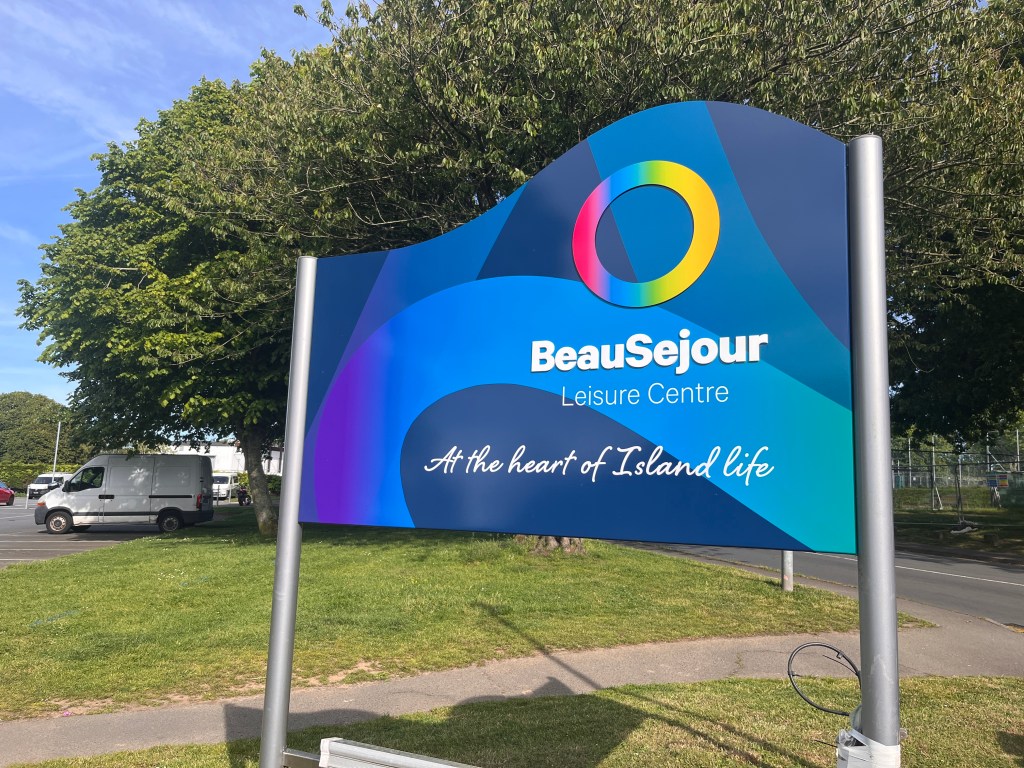
She called on States-run venues to consider a “joint venture” model, where they shared the financial risk with incoming productions – for example through a revenue-sharing model.
Deputy Camp also said venues needed to adopt a more “commercial mindset”.
“The States of Guernsey doesn’t think commercially, because it doesn’t think of money as money.”
States-owned venues didn’t have to make their operations “wash their own faces”, she argued, because they were “being funded anyway”.
I can’t think of an entertainment venue I’ve ever been to with the bar closed.
Deputy Haley Camp
For example, the cafe at Beau Sejour was currently “boarded up – and you have to go and get refreshments from vending machines”.
“I can’t think of an entertainment venue I’ve ever been to that would put up with the bar being closed.”
Deputy Camp said there was an argument for operating arts venues through the States Trading Supervisory Board, as it was “about the only place within government that really thinks in [commercial] terms”.
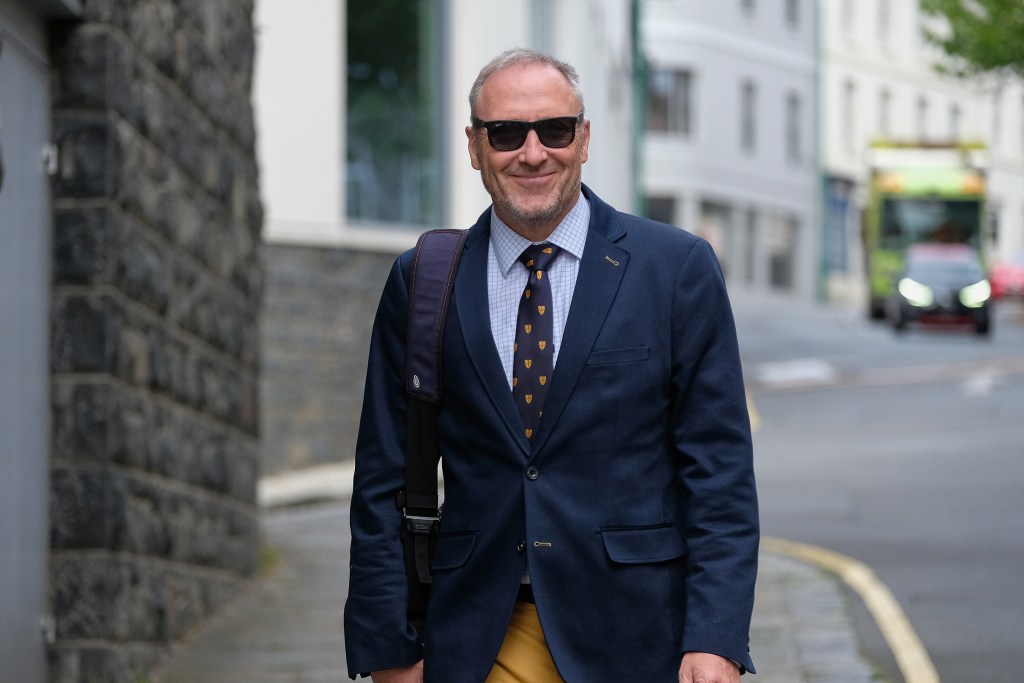
Deputy Montague said ESC’s work to develop a Culture Strategy included “addressing the barriers our community might face to accessing the arts”, including financial, physical and social barriers.
This must be “balanced against increasing commercial opportunities”, he said.
Deputy Montague said the Guernsey Arts Commission, which receives a grant from ESC, helped “promote and develop the arts in Guernsey”.
“Its key priorities are accessibility, audience engagement and art in public places.”
Deputy Montague also highlighted this year’s Liberation Day celebrations.
“Despite a smaller budget than previous years, the programme featured an arts offering including for the first time several sets from Under-18 bands, drama performances on the main stage, and a partnership with Guernsey Arts at Castle Cornet which saw them programme a full day of free cultural activity,” he said.
Working with HSC
Guernsey Museums was another example of successful arts support on the island, he said.
Deputy Montague continued: “Its current exhibition ‘Lost in Nature’ in the Guernsey Museum at Candie, co-created with HSC, for example, focuses on wellness and demonstrates the growing recognition of the important relationship between culture, wellbeing and health.
“The launch of the new Corridor Gallery at [the hospital] as part of the same project has been specifically designed to be collaborative and community-focused and is free and open 24-7 to those working at or visiting the hospital.
“Further, over 100 patients engage with the Arts and Health programme each week.”
Schools offering
He said the island’s schools “punch well above their weight in their arts offering”.
Deputy Montague highlighted the work of the Guernsey Music Service, which supports over 1,000 young musicians, and the Cultural Enrichment Programme, which sees every child in every primary school access to free cultural experiences as part of their education.
Likewise he pointed out the high participation from schools in the Eisteddfod.
He added: “We know that arts education in schools builds cultural capital from an early age, making young people more likely to stay engaged with the arts throughout their lives, and the above gives just a snapshot of how this is being facilitated.”
ESC committee members were “actively involved in the arts and cultural sector themselves”, Deputy Montague said.
This helped them “understand first-hand the powerful role creativity can play in areas such as social prescribing, mental wellbeing, and fostering a strong sense of community and belonging”.
