

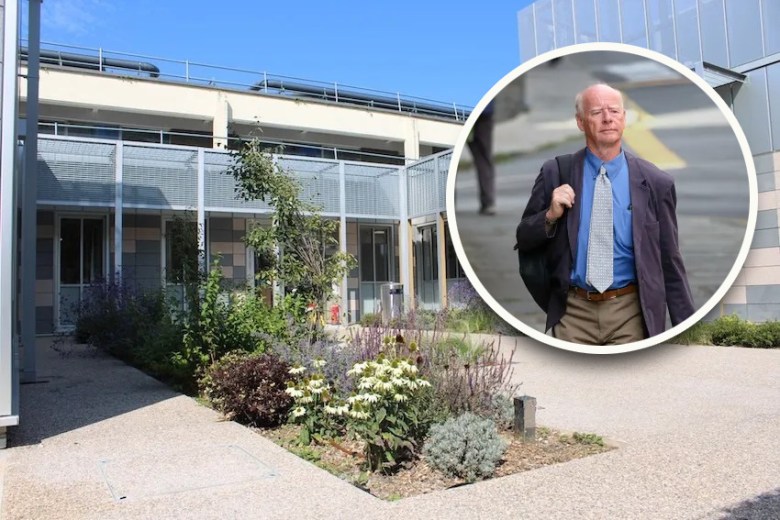
A Guernsey Deputy has been accused of coming up with “a strange new definition of success”, amid ongoing delays and spiralling costs on several healthcare projects.
Deputy George Oswald, President of Health and Social Care, said the Electronic Patient Record project represented “a significant milestone in HSC’s digital transformation”.
However, the project remains partially completed and will need more money before phase two can commence, despite only having £1.7m of its overall budget left.
On top of this, Deputy Oswald was forced to admit the new Critical Care Unit at the hospital is unlikely to open this year, because of ongoing issues with fire safety.
The original plans didn’t meet current fire safety regulations, so extra work is needed to make things safe, meaning the next phase of the project would go “very significantly” over budget. The States will be responsible for funding this work, not the contractor.
Deputy Oswald said: “We are not yet in a position to confirm the financial impact, but it is unlikely that the units will open before the end of 2026.”
Deputy Andy Sloan, President of Scrutiny, said he “wasn’t aware” the patient record project had been split into two phases when it started, so “the idea that it’s successfully been implemented is curious”.
Deputy Sloan said his committee had written to HSC several times asking to review both the patient record and hospital modernisation projects.
Deputy Oswald defended the EPR rollout, arguing the “core” system had been delivered and could be expanded with additional features in future phases.
Needs more money
The wider hospital redevelopment is also under pressure, with Deputy Oswald confirming that the next phase of the project “cannot be delivered within the funding previously agreed by the States”.
He said updated estimates were likely to be “very significantly above” the original budget, but he was unable to provide figures when speaking in the States yesterday.
Deputy Oswald also warned that “difficult decisions” lay ahead over how healthcare is funded, including how much patients should contribute.
However, the former MSG Partner said HSC had “no intention of returning to the days… where service users or their relatives could be subject to financial privation and hardship to pay for essential medical services”.
