


The GSPCA has warned that myxomatosis is currently killing hundreds of rabbits across the island with another viral disease also affecting both wild and domestic rabbits.
Both myxomatosis and Rabbit Haemorraghic Viral Disease variant 2 are highly contagious and fatal.
The animal welfare charity said it has seen a “massive surge of rabbits with myxomatosis” while RHVD2 is also affecting pets and wild rabbits.
“These fatal diseases are a huge risk to unvaccinated rabbits and especially to those in outside enclosures,” warned the charity’s manager Steve Byrne.
“At the GSPCA we have seen a surge of rabbits with myxi a very deadly disease.
“Myxomatosis is spread easily between rabbits by blood-sucking insects, such as fleas, ticks, mites and mosquitoes,” he explained.
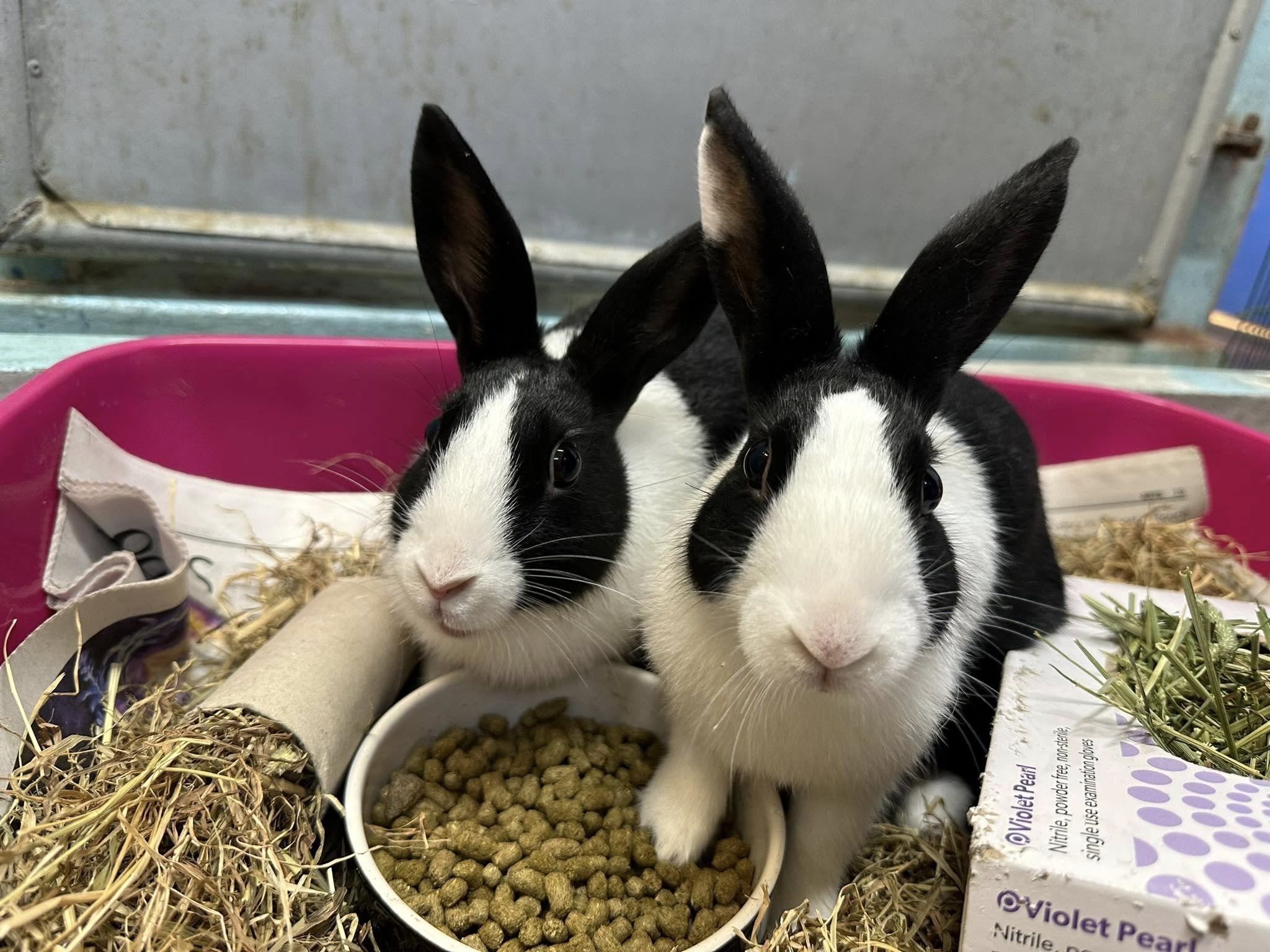
“Currently with high numbers of rabbits around Guernsey it can spread rapidly among wild rabbit populations and can easily be passed on to domestic rabbits in the vicinity by the parasites.”
Mr Byrne said the GSPCA is helping sick, injured, and unwanted rabbits, as well as cruelty cases “on a daily basis”.
“We have escalated and heightened all of our isolation and quarantine procedures to ensure we are doing all we can for every rabbit that comes into our care,” he said.
Regarding RHVD2, Mr Byrne added that it is “extremely dangerous to our pet bunnies and for those rabbits living outside, pet owners really need to contact their vet for advice”.
“The virus is believed to be passed on by vectors such as fleas and other parasites although only having been discovered in France in 2010 a lot still is unknown,” he said.
“If you are getting a new bunny and introducing to other rabbits please do keep them quarantined and separate for a minimum of two weeks.”
Mr Byrne said it is impossible to know how RHVD2 entered Guernsey, while myxomatosis has been present for many years.
“If your rabbit is unwell or showing any signs or symptoms of illness we would urge you to immediately seek vet advice,” he said.
He also advised using the RWAF website – www.rabbitwelfare.co.uk.

“If you have a concern about rabbits not being cared for please do call us on 257261 so we can take the details and investigate further,” Mr Byrne added.
“In recent years we have had large numbers of rabbits from individual homes and worked with the authorities in a number of circumstances.”
What is RHVD2?
RHVD2 is believed to be spread by parasites that feed on infected rabbits, pick up the virus and pass it on to other rabbits.
The ‘classic’ Rabbit Haemorraghic Viral Disease has been present in the UK for decades, while variant RHVD2 was first noted in 2010 in France, and has subsequently been identified in the UK. It was identified in Guernsey in 2017.
This virus has some differences from the classic RVHD. In particularl it may affect rabbits of any age, as opposed to RVHD1, which is rarely if ever seen in rabbits under 8-10 weeks of age.
It has also been reported that the variant gives rise to lower mortalities than classical RVHD. This is not necessarily borne out by reports as mortality may vary from collection to collection, and possibly from breed to breed.
The GSPCA urges rabbit owners and especially those that have rabbits living outside to speak to their vets about vaccinations and ensure where possible that domestic rabbits are kept away from any wild rabbits that may have access to your garden.
There are 4 vaccines available in the EU which have been licensed or are undergoing licensing for efficacy against RHVD2.
Symptoms of RVHD2 include:
- Not eating
- Bleeding under the skin
- Clotting disorders
- Signs of liver disease including: weight loss/ jaundice
- Bleeding from orifices
What is myxomatosis?
Myxomatosis is a severe, usually fatal, viral disease.
In some countries, it has been used as a way of reducing the number of wild rabbits. It first reached the UK in the 1950s and decimated the wild rabbit population at the time. The disease remains a risk today, to both wild and pet rabbits.
It has been present in Guernsey for many years.
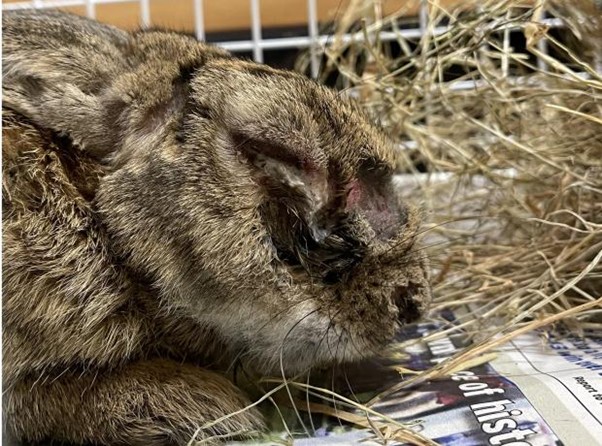
The acute form can kill a rabbit within 10 days and the chronic form within two weeks, although some rabbits do survive this.
Myxomatosis is spread easily between rabbits by blood-sucking insects, such as fleas, ticks, mites and mosquitoes. It spreads rapidly among wild rabbit populations and can easily be passed on to domestic rabbits in the vicinity by the parasites.
The GSPCA advises pet owners to speak to your vet to get your rabbit vaccinated; although, like all vaccines, it may not protect them completely.
A vaccinated rabbit can still catch a mild form of myxomatosis but with veterinary care recovery rates are good.
Symptoms of myxomatosis include:
- Swelling, redness and/or ulcers
- Nasal and eye discharge
- Blindness caused by inflammation of the eyes
- Respiratory problems
- Loss of appetite
- Lethargy
How is myxomatosis treated?
There is no cure for myxomatosis. Only supportive care can be given, so prevention is key.
For wild rabbits, and unvaccinated pet rabbits, the prognosis is extremely poor. It usually kills or leaves the rabbit in need euthanasia. If your rabbit catches myxomatosis in a mild form because they have been vaccinated, then there is a good chance that they will make a full recovery with supportive veterinary care.
If you find a wild rabbit that looks like it has myxomatosis you should try to contain it, and take it to the nearest vet. Wear gloves and wash hands thoroughly after touching the rabbit. If you are unable to take the rabbit to the vet, report the animal to the GSPCA by calling 257261 and choose the emergency option.
Myxomatosis can not be passed on to humans and it only affect rabbits.
