


In mid-December, after six cases of the covid variant omicron were discovered in Guernsey, the CCA asked those who could feasibly work from home to do so.
And for many, it was easy since home working in 2021 had quickly and forcibly become the norm.
Phil Eyre argues that this was always inevitable and the impact of covid has simply sped up the process.
“One of the broader observations around covid and the impact of covid is that it has accelerated trends that were already on the way,” he said.
Mr Eyre is the founder of Leaders, a consultancy business in Guernsey that supports CEOs, business owners and directors in ‘leading’ people in their industry.
“The idea of flexibility was starting to gather steam pre-covid and now it’s just assumed. We have to expect that the majority of workers want flexible working, there’s an inevitability about it,” he said.
This sentiment has been backed up by a study by the Future Forum, a research consortium who interviewed 10,000 office workers last year and found that 93% expect some sort of flexible work offering when applying for a new job.
“Leaders are going to have embrace some sort of flexibility if they’re going to invite the right talent,” said Mr Eyre.
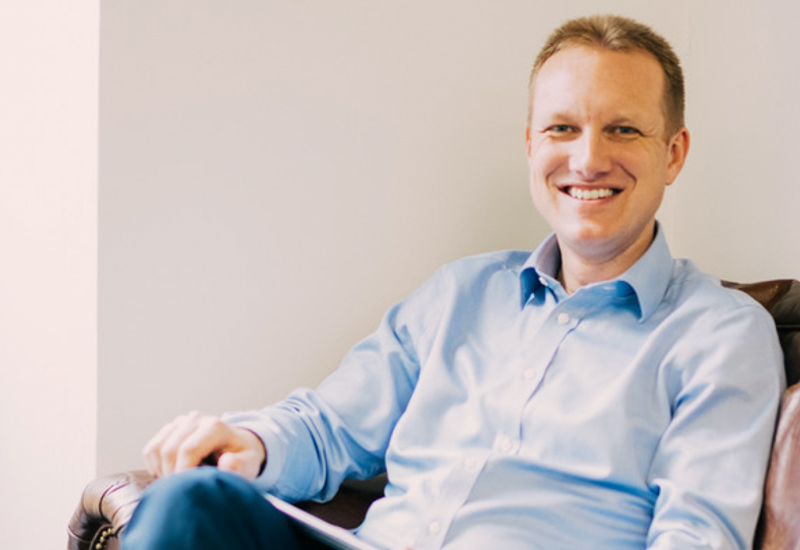
Pictured: “Allowing people to manage their lives better brings quite a bit of benefit, they can focus better,” said Mr Eyre.
Mr Eyre said hybrid working offers businesses the best of both worlds, with employees being given the option of either working from home or in the office.
“The ability to choose now is presumed and where perhaps leaders would’ve imposed a lot of structure, that imposition is going to be viewed with some suspicion.”
Despite this, the move to hybrid working does generate issues for larger businesses who are struggling to create company procedures for it.
“Smaller employers can remain flexible, but the larger ones are grappling with this idea of hybrid working – what does it actually mean?
“A free-for-all is difficult for an organisation to manage, how far do we trust our people?”
The answers aren’t simple, but with home and flexible working now normalised, it’s unlikely that we’ll be going back.
