


Evidence, expertise, and funding will all be essential if the Bailiwick’s new strategy dealing with Violence Against Women and Girls is expected to work, warn the people already working with the victims of domestic and sexual abuse in Guernsey.
Home Affairs announced it is working on a VAWG strategy yesterday, bringing together work from across a number of different sectors and organisations to “prevent violence before it occurs”.
It is something that safety campaigner Poppy Murray has called for – but she is concerned that by announcing a new strategy Home Affairs “is putting the cart before the horse”.
The Chair of SafetyNet Guernsey said creating a VAWG strategy will give people in Guernsey and Alderney a “public commitment against which Home Affairs can be held accountable”, but she has concerns about how it is being managed with a data void one of the issues she has highlighted.
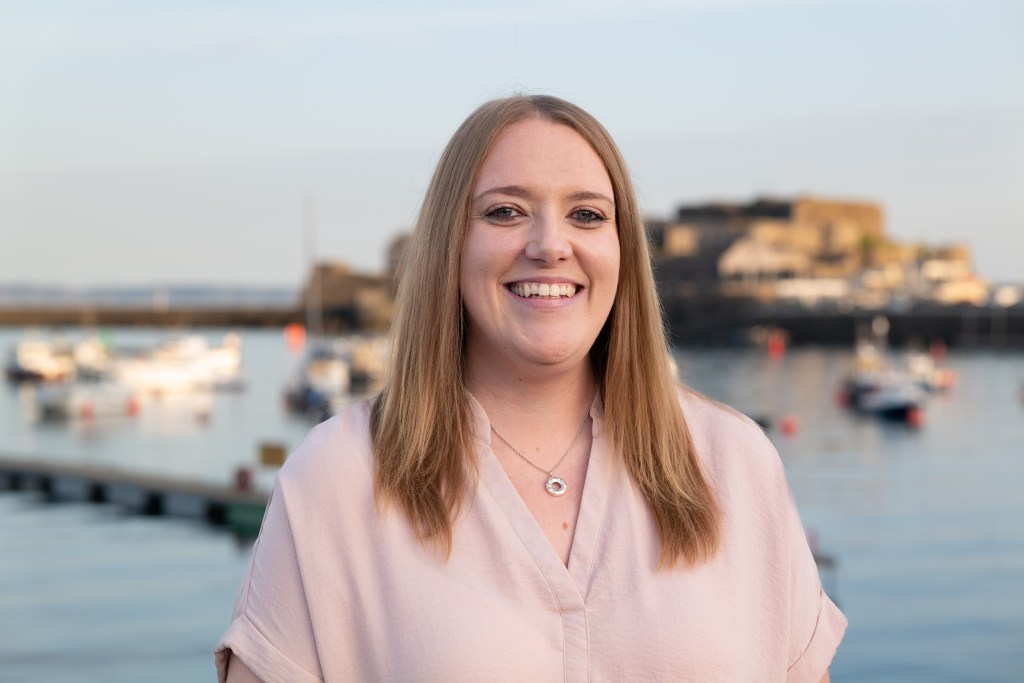
“I have repeatedly urged the Committee to first establish the nature and scale of VAWG through independent, specialist Bailiwick-wide data collection before making any decisions about creating a strategy let alone starting the work,” Ms Murray explained.
“Deputy Malik’s claim in an interview this morning that ‘the data is there’ does not reflect the reality. Some data exists, but captures only those women who have engaged with police, government or support services. We know, for example, that only 15% of sexual offences are reported to Guernsey Police, leaving the experiences of the vast majority of women and girls absent from police data.”
Ms Murray said her own research has led to conflicting information about how much data exists, where it is held, and how reliable it is.
She is also concerned at the slow progress of other work streams that would feed into a VAWG strategy at no cost to the tax payer.
“Earlier this year, SafetyNet proposed a specialist, trauma-informed data collection project at no cost to the taxpayer or Committee. Despite meeting every subsequent request made of us, we have still not received the Committee’s support to progress our plans with that project, leaving me with concerns that the essential foundation or work needed to create a meaningful VAWG strategy has not been fully recognised.
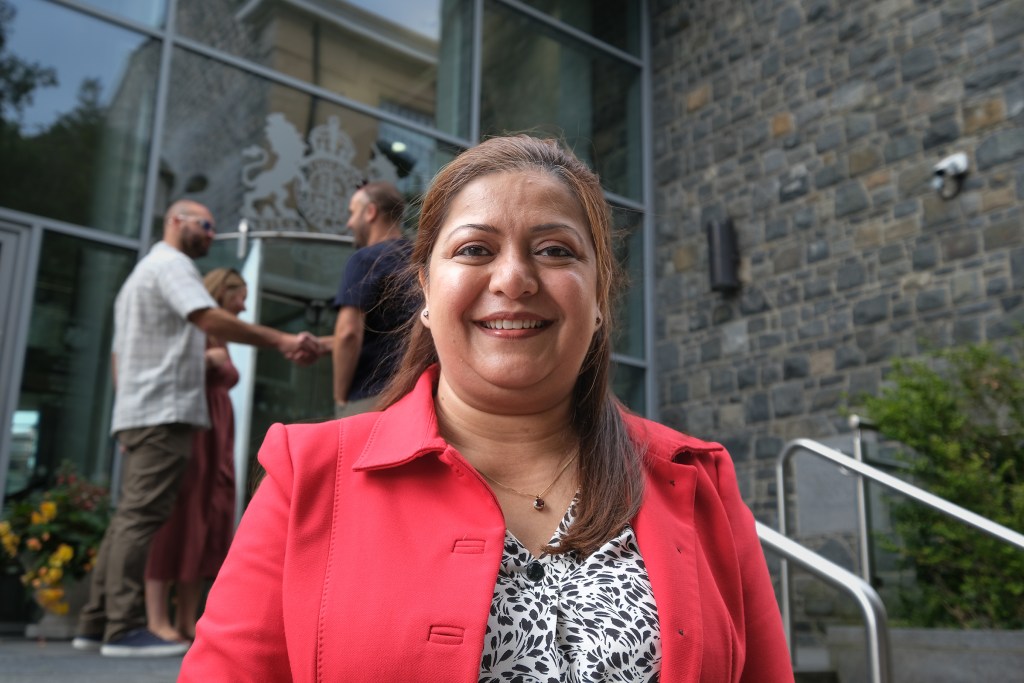
The Victim Support and Witness Service has also highlighted concerns with the proposed VAWG strategy.
The charity “welcomes the development of a dedicated” strategy, which would “build on the progress made in recent years, strengthen partnership working and ensure that prevention, protection and support for victims and survivors remain a priority”, but VS&WS Manager Jenny Murphy warned that many of the organisations on the front line are already working at capacity.
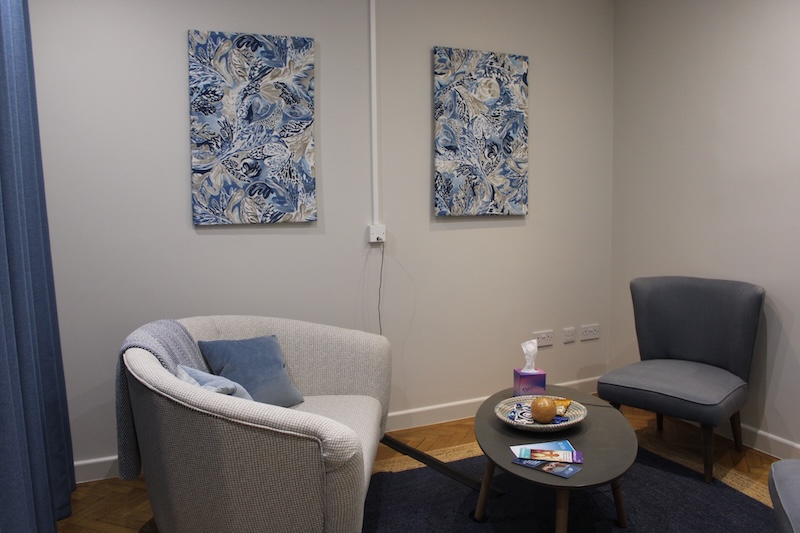
The VS&WS is responsible for Guernsey’s Independent Sexual Violence Advisor service, which includes the Sexual Assault Referral Centre which opened last year.
It has a caseload capacity of 60 people – but is already supporting more than 70 clients, said Ms Murphy.
“This places considerable pressure on the service and highlights the importance of ensuring that specialist provision is adequately resourced to meet the needs of victims and survivors in a timely and effective way,” she explained.
“We welcome the development of a dedicated VAWG Strategy and the opportunity to work with partners to improve the response to violence against women and girls across the Bailiwick,” added Ms Murphy.

“We have seen the real difference that specialist support can make to victims and survivors, but we must ensure that the services they rely on have the resources to meet demand. Our ISVA service is already supporting more than 70 clients against a sustainable caseload capacity of 60. Behind every one of those numbers is a person who needs support. A strategy can set out the right ambitions, but it must be backed by sustainable funding and the capacity to turn those ambitions into meaningful change for victims and survivors.”
Safer supports and empowers victims of domestic abuse – and its CEO said working together will be the greatest strength of the VAWG.
“We welcome the development of a Violence Against Women and Girls Strategy for the Bailiwick,” said Naomi Wright.
“A great deal has already been achieved in recent years, and this next phase provides an opportunity to build on that progress and continue improving support for victims and survivors. One of the greatest strengths of this work has been the positive partnership between Government, statutory services and non-statutory organisations. By continuing to work collaboratively, we can further strengthen our response to violence and abuse and deliver lasting benefits for individuals, families and the wider community.”
The committee said it will “continue to modernise legislation and justice processes to ensure that they are victim-centred and fit for purpose”.
Ms Murray urged them to remember the victims at every stage of the work to implement the strategy.
She said it risks letting the victims down if it is not managed correctly from the start.
“Behind every discussion about VAWG are women and girls who have experienced real harm and trauma.
“Announcing an intention to create a strategy without substance, clarity or a commitment to how it will be properly informed is, in my view, irresponsible and risks letting those women and girls down again. The Committee should take the time to get this right, rather than rush to produce a strategy before it fully understands the nature, scale and impact of VAWG across the Bailiwick. A strategy can only be meaningful if it is built on evidence, expertise and the voices of the women and girls it is intended to protect.”
Victim and Witness Support also urged Home Affairs to be ambitious in its aims while setting clear commitments for sustainable funding, sufficient staffing and measurable outcomes, to ensure the strategy is given the best possible chance at success.
“We look forward to contributing to the consultation and working with partners across the Bailiwick to help shape a strategy that delivers lasting and meaningful improvements for women and girls, while ensuring that all victims and survivors receive the support, dignity and protection they deserve,” said Ms Murphy.
