


A new combined animal and clinical waste incinerator is being built at Longue Hougue which we’re told will save the island more than £160,000 each year.
The new equipment is expected to have lower operating costs than the current facilities which includes a separate animal waste incinerator at Longue Hougue and a clinical waste incinerator at the hospital.
Between them they deal with waste from farmers and veterinary practices, and waste from the hospital, nursing homes, GP surgeries, pharmacies, dentists and tattoo shops.
When replaced with the new dual incinerator at Longue Hougue, there will be cost and space savings, as well as new automated procedures which will make the equipment safer to use.
Clive Martin, Construction Project Manager, said this is the best solution for Guernsey’s size, population and location.
“After a lot of work behind the scenes, it’s really good to see spades in the ground for the new incinerator,” he said.
“Having a single incinerator for both animal and clinical waste is quite unique. From our research, we’re not aware of anywhere else in the world that has a solution like this. It’s been specially designed and built as a bespoke piece of machinery to suit our island’s waste management needs.”
Deputy Lindsay de Sausmarez, President of the Committee for the Environment & Infrastructure, said the new incinerator will lead to greater levels of waste separation, which is anticipated to reduce the amount of waste needing incinerating by 50%.
The new air filtration system will also ensure that the emissions from the plant don’t enter the atmosphere but will be captured and then processed through the air pollution control plant.
“At a time when public finances are under a lot of pressure, it’s really good to be delivering a project that will bring down operational costs to the States,” said Deputy de Sausmarez.
“Savings are important, but so is the quality of the air we breathe, which is why it’s reassuring to know that this new equipment and technology will meet the highest requirements for the control of pollutants.”
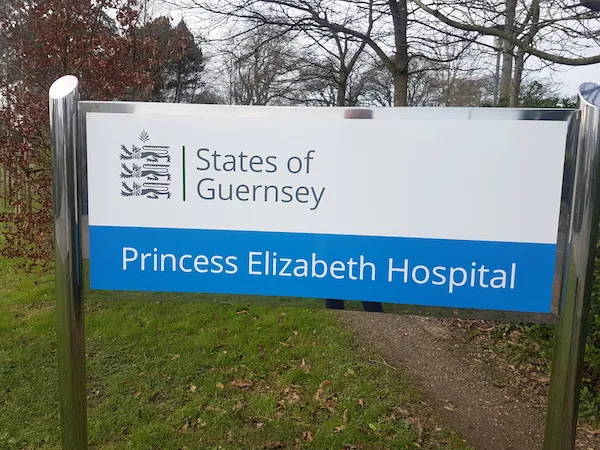
The existing clinical waste incinerator at the hospital is coming to the end of its useful life – with the combined incinerator now being built considered to the best option for replacing it.
Replacing both incinerators separately would have resulted in almost twice as much in capital expenditure, while moving the clinical incinerator out of the hospital campus will free up space for development there, said Deputy Al Brouard, President of the Committee for Health & Social Care.
“This work is vital for a number of reasons, but from a hospital perspective, importantly, once the new incinerator is up and running, it will free up space on the PEH site for future development,” he said.
“It’s also really good news that through this work, we are able to reduce the amount of waste that is incinerated, playing our part in ensuring that our healthcare services are becoming increasingly sustainable.”
The new incinerator should be ready for commissioning near the start of 2026.
