


The Guernsey Fibre Project – developed by Sure and including a £12.5million investment from the States – could see nearly every home in Guernsey connected to an island-wide fibre broadband network by 2026.
It is predicted that this could increase broadband speeds by up to 500 times and be a major economic enabler as well as more convenient for domestic consumers.

Pictured: Fibre cable is colloquially known as the ‘glass in the ground’ as it utilises either glass or plastic to transfer light.
However, the island-wide move to fibre presents some challenges.
Guernsey’s existing telecoms network is run through copper wires. This connection is powered through the local telecoms exchange and would continue to work even if there is a power outage.
Fibre broadband is run through a glass or plastic core that cannot transfer electrical current. If there is a power outage, it will not function.
This may not present a safety risk for people with a mobile phone – but some people are reliant on landlines and could be put in a position where they are unable to make an emergency call.
The GCRA wants this group of people to be protected.

Pictured: Some fibre customers could be offered free mobile phones to make sure they can always contact the emergency services.
The GCRA has now started a consultation period to develop changes to the licensing regime.
“A number of those affected will be those who won’t necessarily have their voices heard so we’re looking to involve people like the Guernsey Disability Alliance,” said the Chief Executive of the GCRA, Michael Byrne.
“Organisations who represent people who need extra assistance in the area we’re talking about, which is access to emergency calls.
“We need to think about alternative arrangements or protections for those who might be in a more difficult position than most.”
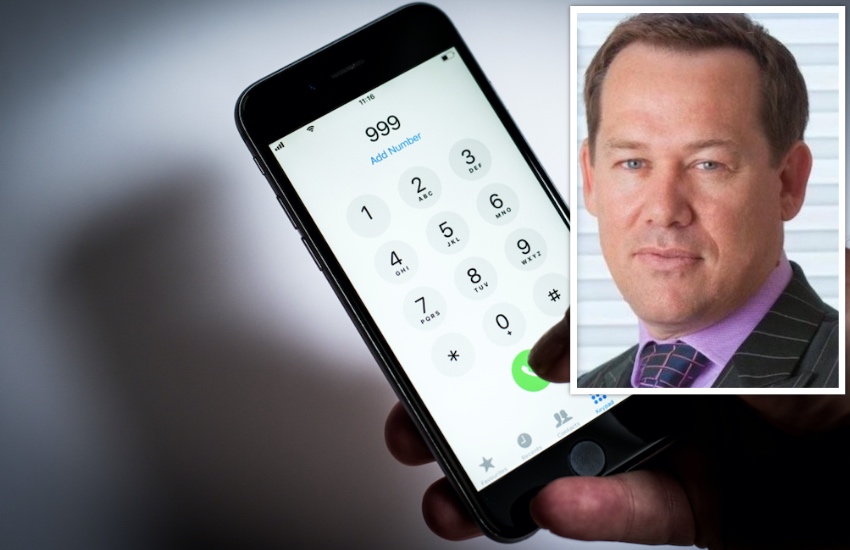
Pictured: Michael Byrne said: “There is a category of people who need special consideration and that is the group we have the most focus on”.
These “alternative arrangements” could be the provision of a free mobile phone or the installation of independent power packs in some people’s homes.
Once the GCRA has completed its consultation period, it will formalise its fibre licence to include such back-up plans for potentially vulnerable customers and provide telecoms firms with directions or guidelines.
Mr Byrne hopes to complete this work by 19 April when Guernsey’s fibre network will begin to be rolled out.
