


The Fiscal Policy Framework has been released with Guernsey’s senior politicians using it as a way of warning us we need to pay more in tax if we want our public services to continue as they are.
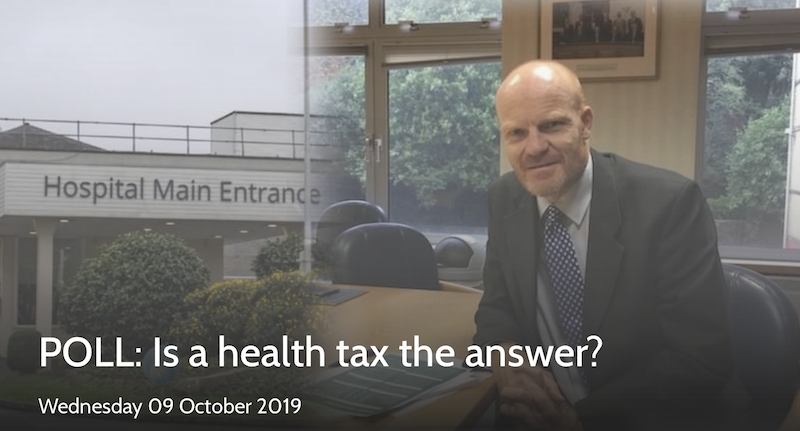
Pictured: A health tax has been one idea suggested.
There are no firm proposals yet, but changing the way we are taxed has been discussed at length at a political level.
Now, the Policy & Resources Committee has set out its ‘over-arching principles which govern the States’ tax policy’ and which ‘seeks to limit the size of government by including a series of constraints which guide the maximum amount of money the States can take out of the economy and from taxpayers to fund public services, the maximum amount the States can borrow and the amount it should be investing in the Island’s infrastructure’.
P&R said these principles will help ‘guide the way tax rates are set in the future to pay for public services’.
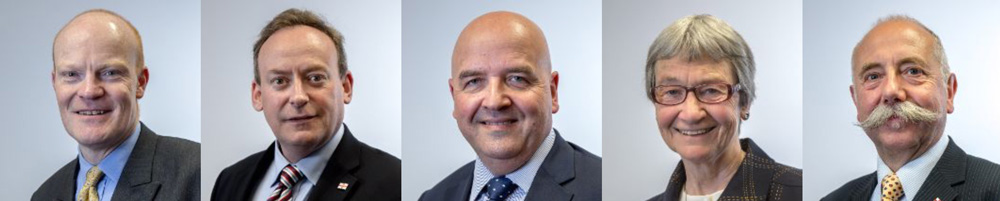
Pictured: The Policy and Resources Committee, l-r: Deputies Gavin St Pier, Lyndon Trott, Jonathan Le Tocq, Jane Stephens, Al Brouard.
The Framework is proposing no change to the actual ceiling of how much revenue the States can raise in taxes or charges, which is currently 24% of GDP. However, the States says it only takes around 21% from us, which per capita equates to £11,400 a year. The States also says that to ‘continue to fund even the current level of health and care provision for an ageing population will mean the States must increase the amount it raises towards this 24% limit’.
With that in mind the States Assembly will be asked to decide what ‘revenue-raising measures are needed to make sure that the tax system has the capacity to raise the amount of money needed to provide people with the services they might expect in the long-term’.
As the States are already suggesting some expensive new services to Guernsey, including the multi-million pound introduction of NICE TA drugs, secondary pensions, and a review of access to primary health care, it’s warned that the long term costs of running our public services is likely to go up even higher – up to possibly £132million.
Some of those new services will be debated by the States next year.
The Policy & Resources Committee is today publishing a review of the Fiscal Policy Framework, which sets out the over-arching principles which govern the States’ tax policy. Read more at: https://t.co/gpnclsYWBupic.twitter.com/GdGFNHx1mq
— States of Guernsey (@Govgg) November 26, 2019
Deputy Gavin St Pier, President of the Policy & Resources Committee said: “When we issued the 2020 Budget earlier this year, we sought to start a bigger public discussion over which services we want and which services we need – and how they are paid for. Clearly an ageing population will mean higher costs and lower revenues, but the community and the States are not yet agreed on to what extent how best to manage services to address this challenge. The simple fact is the more services we wish to provide, the more it will cost.
“This is not a move to halt our attempts to make savings by transforming the delivery of services. Achieving these savings remain absolutely essential. Given the scale of the challenge it is more important than ever to make sure we provide services in a cost efficient way if we are to successfully stay within this limit in the long term. A continuing focus on cost savings must be part of the solution. But the challenge of sustainably funding the growing demand for public services clearly cannot be met by savings alone. Neither can we continue tweaking the tax system around the edges for small revenue gains.
“There is a fundamental issue with the long term sustainability of our public finances and the responsible approach is to ensure that this co-ordinated and managed in a planned way rather than simply reacting when forced to do so. It is for this reason we are recommending a review of the tax base to ensure it is capable of meeting our needs.”

Pictured: P&R members Deputies Lyndon Trott, Jane Stephens and Gavin St Pier.
Deputy Lyndon Trott, Policy & Resources Vice-President added:”Guernsey’s economic success is based in part on its status as a low tax jurisdiction. The services most Islanders benefit from cost far more to deliver than many realise, and more than most of us are asked to contribute. As I’ve said before, the cost of educating a single secondary school student for a year is itself more than the average taxpayer’s annual contribution. The 24% limit is intended to maintain that low tax status while accommodating the increased revenues that may be necessary to continue providing the public with the services they need.”
Deputy Jonathan Le Tocq, who leads on employer matters for the Policy & Resources Committee said: “We have a very dedicated and hard-working public sector workforce who provide a wide range of extremely valuable services. We know our current structure of staff terms and conditions is causing problems. While we don’t yet know enough about the potential solutions and how they may impact on public finances, dealing with them in a piecemeal way as we currently do, may ultimately cost more. We face similar uncertainties with many of the other potential new services that have been included in the forecasting. However, we still need to make some decisions now as to the rules for revenue-raising and spending long-term. That can cannot be kicked further down the road.”
Pictured top, l-r: Deputies Jonathan Le Tocq, Lyndon Trott and Gavin St Pier.
