


The Alderney data centre row rumbles on – with nine out of 10 States Members backing a statement “clarifying the position”, while the 10th States Member is still refusing to apologise for raising concerns about the project publicly.
Mr Snowdon told Express that the Code of Conduct complaints process is being used to “gag” him for “raising concerns about this vast project on Alderney”.
At the time, Alderney’s senior politician told Express that there is no proposal for a data centre in the island.
However, a bank holiday press release issued by the States of Alderney detailing exploratory work that has been carried out in the island, has further muddied the waters by confirming that “exploratory work” has been carried out.
“To be clear, no data centre has been approved, no developer has been appointed, no site has been selected, and no development agreement has been entered into,” clarifies the statement.
“Mannez Quarry has not been selected, and no hyperscale data centre is being secretly progressed.
“The work undertaken to date has been exploratory and is intended to establish whether there is a credible opportunity sufficiently beneficial to Alderney to warrant further consideration.”
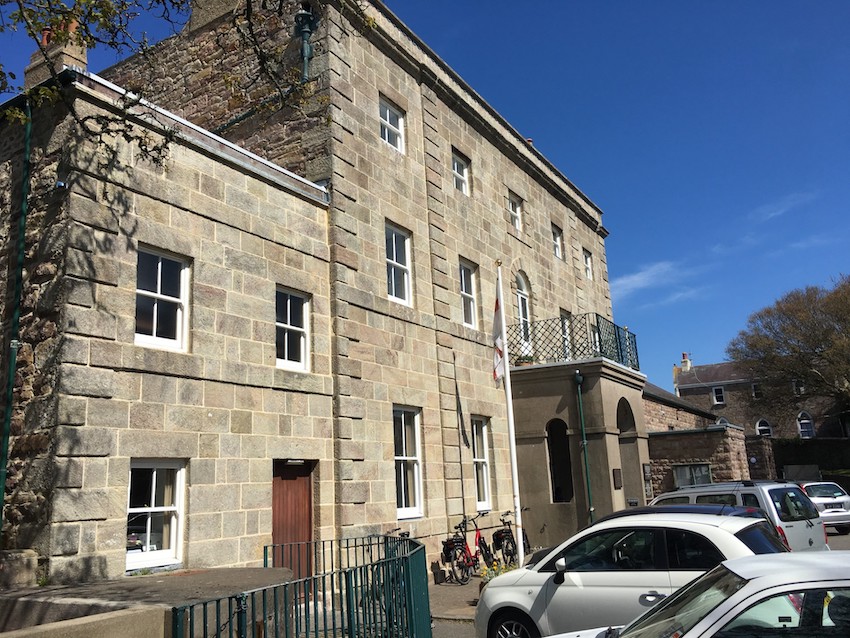
Signed by “the majority of members of the States of Alderney, Policy and Finance Committee”, which includes Bill Abel, Jeannie Cameron, Stuart Clark, Kevin Gentle, Edward Hill, Iain MacFarlane, Steve Roberts (abstained), Derwent Smithurst, and Veronica Taylor, the statement goes on to outline the process that is being undertaken around a potential data centre in the island, and it explains how that process meets good governance standards.
The process involves carrying out feasibility studies which may include engaging with potential investors or developers, considering possible locations, and entering into preliminary arrangements such as Memorandums of Understanding or Non-Disclosure Agreements.
“None of these steps constitutes approval of a project,” wrote P&F.
“Commissioning a feasibility study is not approving development; receiving a proposal is not accepting it; considering a potential location is not selecting a site.”
The statement goes on to clarify that “some exploratory work also necessarily involves commercially sensitive information”, which Mr Snowdon got into trouble for sharing.
“Confidentiality should not be confused with secrecy,” said P&F.
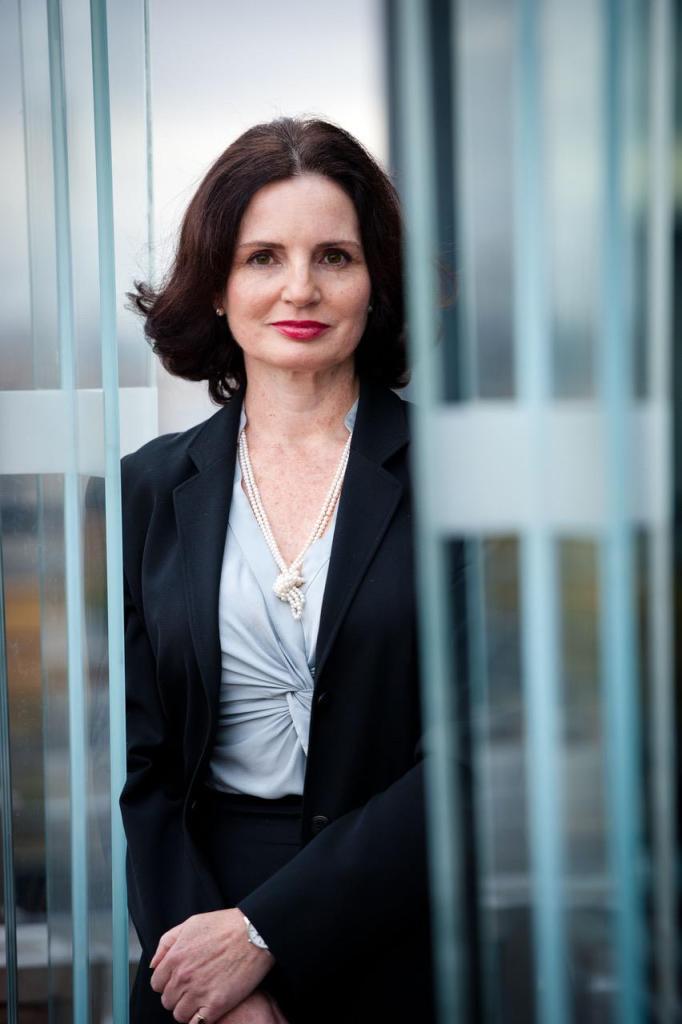
Pictured: Jeannie Cameron is President of the States of Alderney’s Committee for Policy and Finance.
“Protecting commercially sensitive information and third-party intellectual property is a normal and necessary part of responsible government and allows organisations to engage with the States with confidence. It does not circumvent the democratic, planning or regulatory processes which would be required for any development to proceed.”
P&F reiterates that while nothing has been agreed or approved with regards to a data centre in the island, work has gone on to “establish whether there is a credible proposition worth putting before the people of Alderney”.
“If such a proposition emerges, appropriate public consultation would take place before any decision to proceed. There is no predetermined outcome.”

Ahead of any public consultation, Mr Snowdon told Express that people in Alderney are already “rightfully becoming angry”.
He said the confidential feasibility study is an open secret in the island, and that refusing to publish this information is damaging public trust in the States.
“Until now there has been absolutely no public consultation or debate and no health or environmental risk assessment. There has been a feasibility study but the Head of Operations has declared this as confidential so it cannot be given to the public for consideration. The public know this and they know that the States received and have been acting on a high level detailed proposals for hyperscale data centres on Alderney (50MW and 200 MW) with supporting infrastructure.
“States Members including Ms Cameron and Mr Clark backed by the Commissioner for Standards have repeatedly denied that any such serious proposal exists and that the project is only in an exploratory stage.
“The public are now rightfully becoming angry. Confidence in the States is apparently an all-time low. They see States members as arrogant in that they think they know better than the public what is or is not beneficial to Alderney and then work toward implementation without any public interaction.”
P&F’s statement said the processes that are being followed exist to “ensure opportunities are investigated properly, decisions are evidence-based, third-party confidentiality is respected, appropriate scrutiny is maintained and opportunities for improper influence or corruption are minimised”.
While States Members are “rightly free to scrutinise, challenge and oppose proposals”, P&F said they must avoid doing anything which “risks undermining public confidence, damaging the reputation of the States, and discouraging businesses, investors and professional advisers from engaging openly with Alderney”.
“We remain committed to open and robust scrutiny, proper democratic process and the standards of good governance expected of the States of Alderney. Those principles protect the public interest, the integrity of the States and the confidence of organisations considering engaging with Alderney.”
More to follow…
