


The last 40 years have seen a 90% decline in observations of turnstones and dunlin on Guernsey’s beaches, while other shorebirds have seen a similar decline.
Studies have suggested that dog walkers cause a significant amount of disturbance for birds, which can result in reduced feeding time and increased energy use, leading to lower survival rates in winter.
“Species are to ecosystems what rivets are to planes,” said a States spokesperson. “Losing a few makes little difference, but if enough are removed the plane will crash. Once species are lost from the island, it is very difficult to get them back.”
Shorebirds can maintain the diversity of other organisms, control pests and be indicators of environmental health and potential disease outbreaks. As they migrate across borders to many other countries, the loss of local shorebirds will be felt internationally.
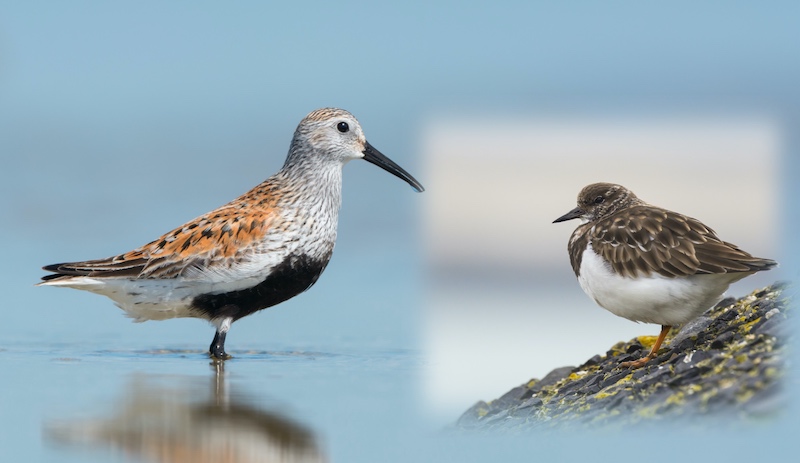
Pictured: A voluntary dog ban has been introduced near Richmond to protect declining numbers of shorebirds
Members of the community are being asked to adhere to the following measures over the winter:
- Avoid disturbing shorebirds, particularly during the winter and when they are feeding
- Do not walk dogs on sites such as Richmond Beach – there will be signage indicating shorebird populations
- Keep dogs on leads elsewhere, to minimise the disturbance they cause
- Birdwatchers are encouraged to view through binoculars or a long-distance camera lens instead of getting up close to the animals
- Join bird walks or use the island’s observatories to learn more about local wildlife
“The long term declines recorded in many local species is alarming,” said Jamie Hooper of La Société Guernesiaise. “The easiest way we can all help is to avoid needlessly disturbing birds as they feed and rest on our beaches.
“We would encourage the public to spare a thought for our vulnerable wildlife and to keep a reasonable distance.”
