

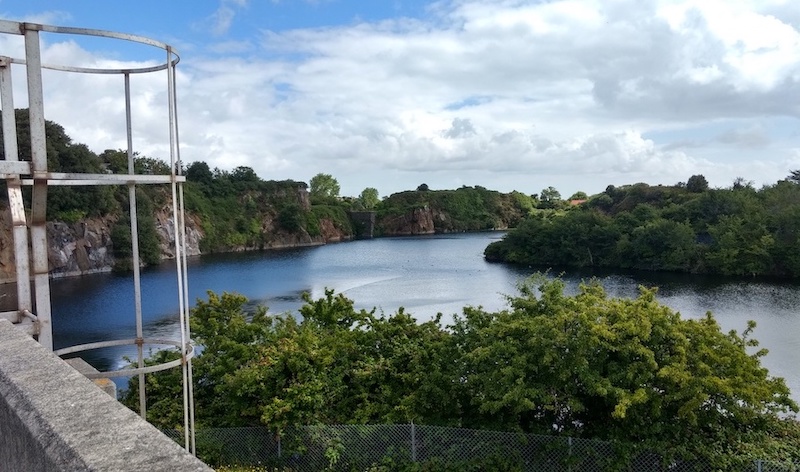
Guernsey’s reservoirs are currently holding 6% less water than the average recorded over the past five years – and 10% below the decade average.
Guernsey Water says this highlights how we all need to be sensible with our water usage following an exceptionally dry summer – even during our wetter winter months.
“The recent rain has been very welcome and has nudged our storage levels in the right direction,” said Guernsey Water Operations Manager Jon Holt. “But a couple of wet days cannot do the whole job and downpours don’t end droughts.
“Winter is our main recharge period, when we need sustained rainfall to replenish the water used during the summer.”
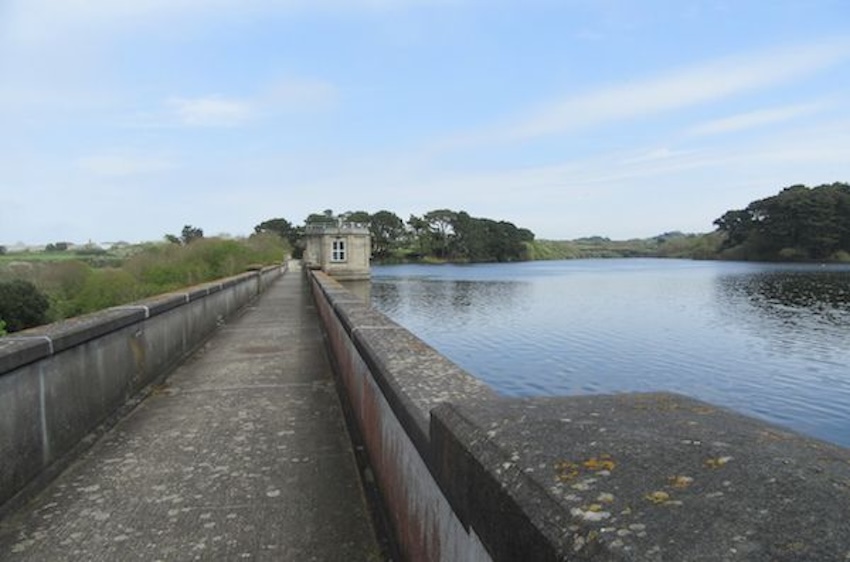
So far this year has seen below average rainfall between March and September, with July notably dry. Weather records for the hottest days were also broken repeatedly between May and August.
As we entered autumn the rain returned, and October saw nearly 25mm more than the annual averages recorded over the past 30 years – bolstered by storms Austen and Boelo.
That’s not enough to mean we can all relax about our water usage, said Mr Holt.
“Guernsey came through an exceptionally warm summer without water restrictions, which is something we can all be pleased about – in the UK there are still around 30 million people with some form of restriction on their water supply.
“But we need to remain cautious as the winter recharge begins – unless there is more sustained rain soon, that boost from the storms will have been used up by the end of November.”
“A dry winter would place substantial strain on our supplies next summer and make restrictions more likely,” he warned.
Guernsey Water collects and distributes millions of litres of water each week, said Mr Holt meaning it’s important that we all remember that “every drop counts”
As an example, during storms Austen and Boelo around 100 million litres was captured, but we collectively used half of that during the following week.
The island’s reservoirs are currently around 70% full, which is around 2% below this time last year.
To try and help safeguard our supplies everyone is urged to:
- check homes and gardens for leaking taps, pipes and toilets,
- install a water butt where practical and if affordable,
- clear leaves and debris from drains and gullies, helping rainfall reach reservoirs
“This is not about asking people to make drastic changes,” said Mr Holt.
“It is about recognising that lots of small, sensible actions add up. We will continue to share regular updates throughout the winter.”
